
By Dave Flessner 14 min read
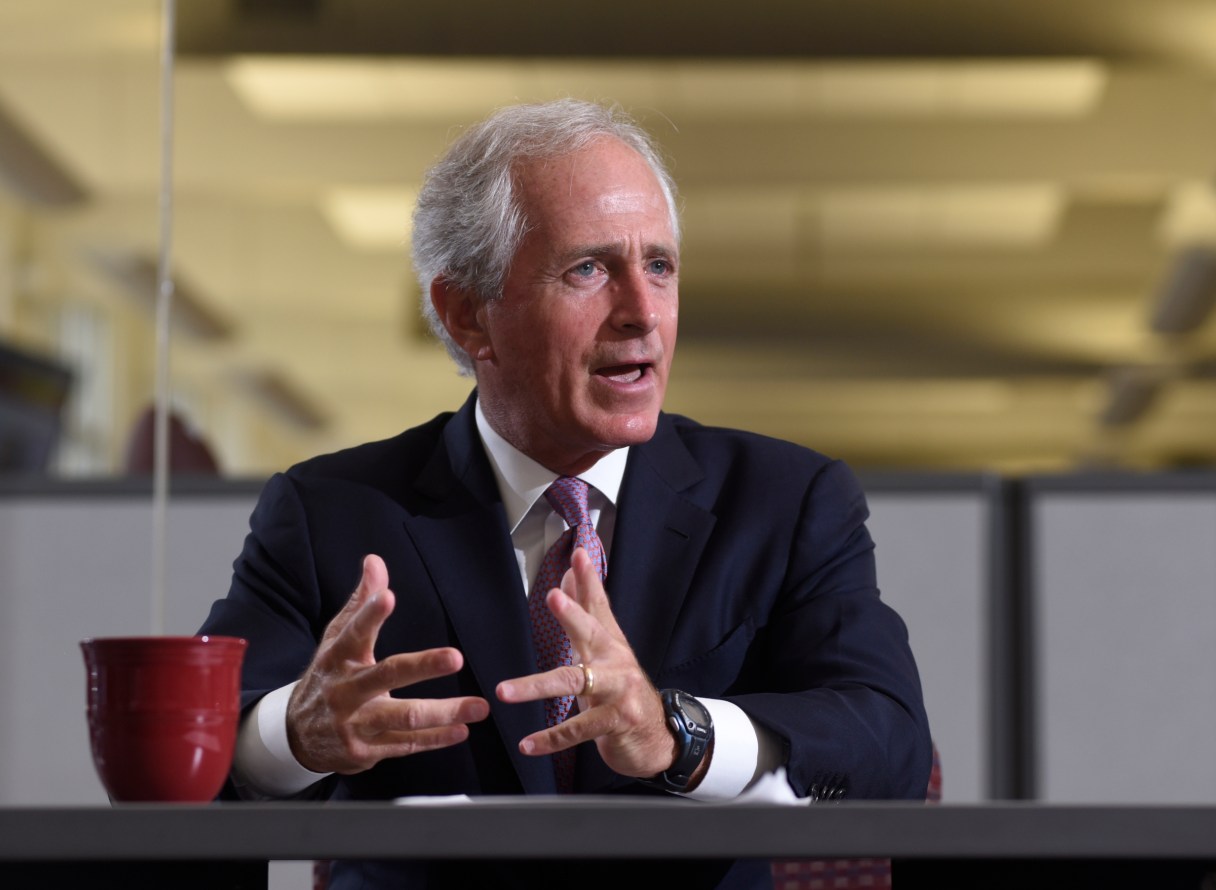
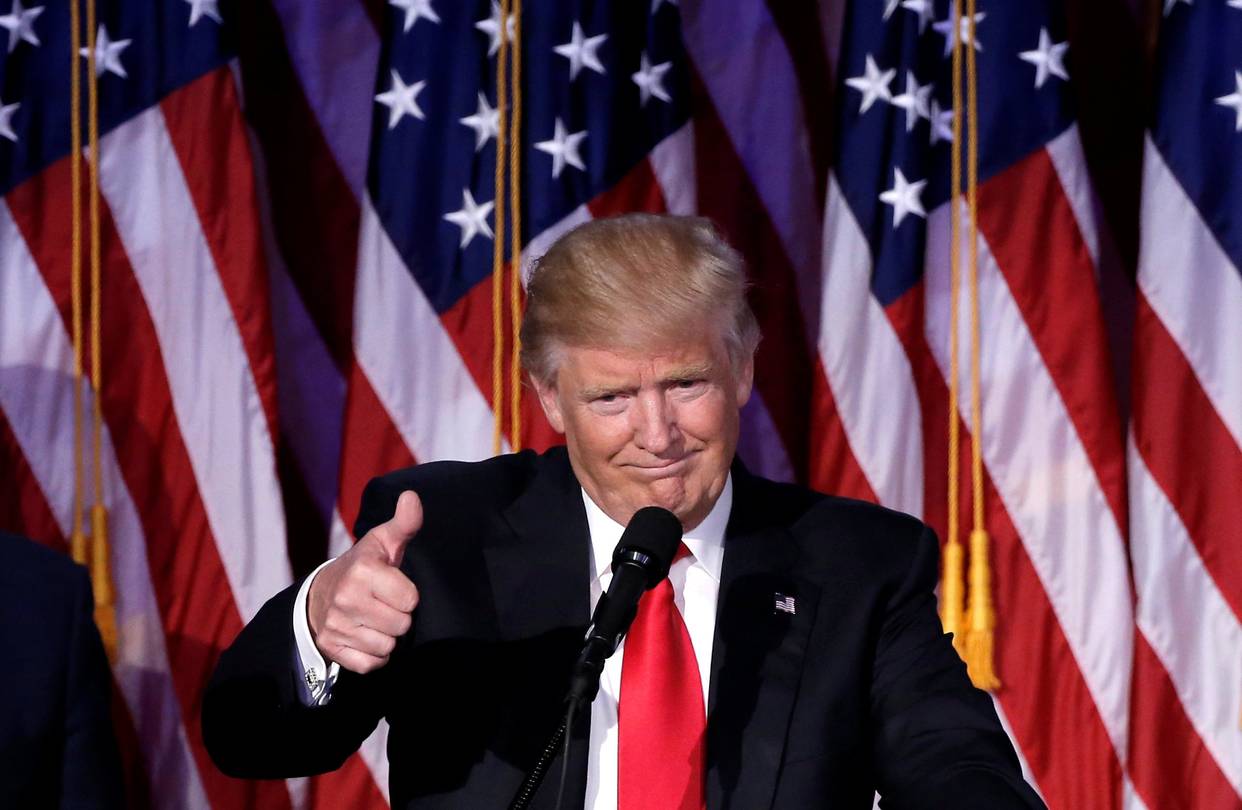
President-elect Donald Trump, who vowed on the campaign trail to rip up the Iranian nuclear treaty, should do more to enforce the agreement rather than discard it right away, U.S. Sen. Bob Corker, R-Tenn., said Monday.
Corker, chairman of the Senate Foreign Relations Committee and a critic of the deal that outgoing President Barack Obama negotiated with Tehran leaders last year, said he expects the incoming Trump administration should and will do more to police what he said were ongoing violations of the pact by the Iranian government. But since the U.S. government and its allies have already returned billions of dollars of once-frozen assets to Iran, Corker cautioned against reneging on the agreement once Trump is sworn into office in January.
More about Trump’s team
- Senate confirms Alex Acosta as Trump’s secretary of labor
- Lawmakers say Flynn did not inform U.S. government about payments from Turkey, Russia
- Senate confirms Sonny Perdue as agriculture secretary
- Gorsuch sworn into Supreme Court, restores conservative tilt
- Senate confirms Trump pick Neil Gorsuch to Supreme Court
- Senate Republicans invoke ‘nuclear option’ to overcome Democrats’ filibuster of Supreme Court nominee
- Trump removes Bannon from National Security Council
- U.S. defense chief worries about ‘reckless’ North Korea actions
- U.S. defense chief worries about ‘reckless’ North Korea actions
- Michael Flynn in talks with Congress, wary of prosecution
- Top aide to President Donald Trump leaves administration
- David Friedman sworn in as Trump’s ambassador to Israel
- Ivanka Trump to become official White House employee
- Zinke: Border wall ‘complex,’ faces geographic challenges
- Kushner, taking new White House role, faces rare scrutiny
- In Trump’s White House drama, Priebus is favorite target
- Ivanka Trump, Education Secretary DeVos promote STEM careers
- Attorney General: Sanctuary cities are risking federal money
- Netanyahu welcomes new U.S. ambassador ‘to Jerusalem’
- Ivanka Trump to attend women’s economic summit in Berlin
- Ex-CIA chief: Flynn’s firm discussed removing cleric from U.S.
- Trump son-in-law’s ties to Israel raise questions of bias
- Gorsuch hearings show him as careful, folksy, testy at times
- Trump SEC pick assures that his Wall St. work not problem
- AP Exclusive: U.S. probes banking of ex-Trump campaign chief
- Supreme Court nominee unscathed facing last day of hearings
- Lawmakers want details on Flynn’s foreign contacts, payments
- High court nominee to face daylong questioning in Senate
- Tillerson to skip meeting of NATO foreign ministers
- High court nominee: I’ll be unbiased or ‘hang up the robe’
- First daughter Ivanka Trump gets West Wing office
- White House tries to distance Trump from campaign aides
- Senate hearings get underway on Trump Supreme Court pick
- Report: Trump adviser’s husband picked for Justice post
- Trump’s high court pick is harsh critic of assisted suicide
- Documents detail Flynn payments from Russian interests
- Senate votes to approve Trump’s picks for key security posts
- Democrats say Trump’s pick for trade post needs waiver
- Senate confirms Trump pick to head Medicare and Medicaid
- Key members of Trump’s circle under scrutiny for Russia ties
- DeVos promotes school choice, local control
- Tillerson heads to Asia with North Korea tensions high
- Conway suggests surveillance of Trump went beyond phones
- Sarah Huckabee Sanders is a rising star in Trump’s orbit
- Trump’s choice for FDA has ties to Wall Street, drug makers
- Attorney General Jeff Sessions seeks resignations of 46 U.S. attorneys
- Acosta headed for questions on sex offender case at hearing
- White House: Trump unaware of Flynn’s foreign agent work
- HUD could face steep cuts, but Carson says numbers early
- EPA chief: Carbon dioxide not primary cause of warming
- AP Source: Huntsman offered job of ambassador to Russia
- General says no bad decisions in Yemen raid, probe is over
- Former Trump security adviser Flynn admits Turkey lobbying
- Confirmation for Justice’s No. 2 job occurs amid controversy
- Top Trump security adviser faces questions in rare hearing
- Ben Carson compares slavery to immigration to America
- DHS chief: Agency may separate parents, children at border
- Vice President Mike Pence jokes with ‘enemy of the people’ at Gridiron Dinner
- Six weeks later, senators question delay on agriculture pick
- Officials: Tillerson eyes State Department budget cut over 3 years
- Pence used a private email account to conduct state business
- New Interior Secretary Ryan Zinke ponies up to work at first day in office
- Sessions recuses himself from investigation into Russia’s election meddling
- Senate confirms billionaire investor Wilbur Ross as commerce secretary
- Sessions: More violence around pot than ‘one would think’
- Pence to address politically potent Republican Jewish group
- State Department news briefings to resume in early March
- Sessions: U.S. to continue use of privately run prisons
- Trump pick as security adviser is independent-minded
- Trump sends top aides to Mexico amid deep strains with U.S.
- Scott Pruitt confirmed by Senate to serve as EPA administrator
- Harward turns Trump down for national security adviser job
- Trump names Acosta as new choice to become labor secretary
- Senate hearings for Supreme Court pick to begin March 20
- Trump’s pick for Israel ambassador faces rocky confirmation
- Senate to confirm Trump budget chief
- Andrew Puzder is withdrawing as Trump’s nominee for labor secretary
- Former wrestling executive Linda McMahon on track to lead Small Business Administration
- Four GOP senators on the fence over Puzder for labor secretary
- National Security Adviser Michael Flynn resigns amid Russia controversy
- Senate confirms former banker Mnuchin as Treasury secretary
- Trump ‘evaluating the situation’ involving Flynn, Russia
- Gorsuch returns 68-page questionnaire to Senate
- Gorsuch returns 68-page questionnaire to Senate
- Senate confirms Trump’s health secretary
- Senate confirms Jeff Sessions to be attorney general
- Sen. Sessions on track for confirmations as attorney general
- DeVos ekes out confirmation win as Pence casts historic vote
- Senate set to confirm education secretary by narrow margin
- Vice President Mike Pence says nominee Neil Gorsuch will join Supreme Court ‘one way or the other’
- DeVos clears Senate hurdle toward becoming education secretary
- Seasoned spymaster named deputy CIA director
- Pelosi calls top Trump security adviser ‘white supremacist’
- GOP senators move Trump EPA pick ahead as Dems boycott vote
- Little heard in public, Bannon is quiet power in Oval Office
- 2 Republican senators won’t support DeVos nomination
- Trump’s national security adviser puts Iran ‘on notice’
- Senate confirms Rex Tillerson as secretary of state
- GOP pushes 2 top Cabinet picks through to full Senate
- Trump’s pick to head VA rejects radical change to fix agency
- Union-backed Ronald Vitiello named to lead Border Patrol
- President Donald Trump nominates Neil Gorsuch to U.S. Supreme Court
- Elaine Chao sworn in as transportation secretary
- Education nomination advances to full Senate
- DeVos may have used official’s remarks without attribution
- GOP pushing Price, Sessions, DeVos a step toward Senate OK
- Labor secretary nominee’s company outsourced jobs
- Amid criticism, Comey remaining as FBI director under Trump
- Former intelligence officer picked to lead Navy
- Senate committees approve several of Trump’s Cabinet choices
- South Carolina Gov. Haley resigns to become U.S. ambassador to U.N.
- Former congressman Mike Pompeo sworn in as CIA director
- Senate panel narrowly backs Rex Tillerson for top diplomatic post
- Senate confirms Trump’s picks for defense, homeland security
- Rick Perry says he regrets call to eliminate Energy Department
- Trump picks former Georgia governor as agriculture secretary
- Senate panel decisively approves James Mattis for defense secretary
- Pointed questions for Trump’s pick for health secretary
- Trump pick DeVos pledges not to undo public education, pushes choice
- Pointed questions await Trump’s pick for health secretary
- In Rep. Tom Price’s district, what happens after Obamacare repeal?
- Education secretary pick DeVos defends school choice during confirmation hearing
- Tennessee scientists urge Corker, Alexander to oppose Trump’s EPA pick
- CIA nominee Mike Pompeo agrees Russia tried to interfere in election
- Top Trump aide in frequent contact with Russia’s ambassador
- Trump’s Pentagon pick cruises toward likely confirmation
- Trump’s Pentagon pick receives strong support in first vote
- Black lawmakers say Sen. Jeff Sessions unfit to be attorney general
- Trump’s pick for top diplomat takes tough line on Moscow
- I’d stand up to Trump as attorney general, Sessions tells senators
- Trump son-in-law Kushner to take senior White House role
- Haslam backs Trump’s pick for U.S. Education Secretary
- Trump selects former Sen. Coats for top intelligence post
- Trump to name Nashville’s Bill Hagerty ambassador to Japan
- Trump expected to name lawyer Robert Lighthizer as top trade rep
- Trump names Bush-era veteran and policy newcomer to posts
- Trumps pick for ambassador to Israel sparks hot debate
- Sen. Corker says he is ‘more than reassured’ about Tillerson’s views on Russia
- Trump picks Florida Panthers owner as Army secretary
- Trump’s pick for budget director has urged big spending cuts
- Trump salutes supporters in Florida, names budget director
- Former SEAL Zinke tapped for Interior secretary
- Perry would bring oil industry ties to Energy Department
- Trump announces selection of ExxonMobil CEO Rex Tillerson to be secretary of state
- Trump expected to tap Exxon Mobil CEO Rex Tillerson secretary of State
- President-elect Donald Trump: Rudy Giuliani taking himself out of running for Cabinet post
- Trump expected to tap Goldman Sachs president Gary Cohn for economic post
- Trump selects Tennessee business leader as labor secretary
- Trump picks WWE’s Linda McMahon for Small Business Administration post
- Trump picks Oklahoma Attorney General Scott Pruitt to head EPA
- Trump taps retired four-star Gen. John Kelly to head Homeland Security
- HUD secretary nominee Ben Carson under fire for lack of experience
- Trump to nominate Marine Corps Gen. James Mattis as secretary of defense
- Trump adds new administration picks
- Trump taps Betsy DeVos as secretary of education, South Carolina Gov. Haley for U.N. post
- Trump auditions Cabinet prospects high above Manhattan
- For Trump, lots of meetings, Cabinet picks still coming
- The Latest: Trump aide talks about possible Cabinet heads
- Donald Trump’s Cabinet picks, so far
- Alexander, Corker back Senate colleague as Trump’s attorney general
- Trump taps Sessions, Flynn, Pompeo for top positions
- Trump picks Alabama Sen. Sessions for AG
- AP Source: Trump offers National Security Adviser job to Lt. Gen. Michael Flynn
- AP Source: Trump offers National Security Adviser job to Lt. Gen. Michael Flynn
- Corker: Giuliani, Bolton ‘more likely’ to get Trump nod as secretary of state
- Rudy Giuliani’s foreign work complicates candidacy for top post
- Amid signs of transition trouble, Trump huddles with Pence
- Trump’s transition team loses a key figure as he struggles to find his footing
- Giuliani emerges as favorite for Trump’s secretary of state
- Trump puts flame-throwing outsider on the inside
- European Union awaits Trump team to assess future of trans-Atlantic ties
- Kansas’ secretary of state added to Trump transition team
- Donald Trump names Reince Priebus, Stephen Bannon to senior White House roles
- Rep. Blackburn named to Trump presidential transition team following shakeup
- Trump chief of staff pick to signal direction of presidency
- Corey Lewandowski, former Trump campaign manager, leaves CNN
- Mike Pence to lead President-elect Donald Trump’s transition team, replacing Chris Christie
- Alexander urges Trump to add Corker to his presidential cabinet
- Corker confirms he spoke with Trump and Pence Wednesday; claims they did not discuss possible cabinet post
“I don’t think that [throwing out the deal) is a very good place to start,” Corker told reporters in his hometown of Chattanooga. “If you tear the agreement up on the front end, it’s almost like cutting your nose off to spite your face because they already have assess to all of their dollars.”
In a speech in March to the pro-Israel lobbying group AIPAC, Trump called the Iranian nuclear deal “a disaster” and “the worst deal ever negotiated.” Although Obama touted the pact as a way to limit nuclear bomb development by the Iranians, Trump warned the agreement could lead to “a nuclear holocaust” by giving the Iranians more cash and the ability to trade with more nations.
Corker worked to delay implementation of the deal and to give Congress the ability to weigh in on the agreement last year, but the nuclear deal was still adopted as a political commitment rather than a treaty ratified by lawmakers. That means the agreement is vulnerable to a new U.S. president, such as Trump, who could try to change its terms.
You've used your free articles
You've read all of your free articles for now. Subscribe for unlimited access to every story.