
Friday, November 13, 2026Nov 13

Iraqi Shiite cleric calls for unity after militia pullout

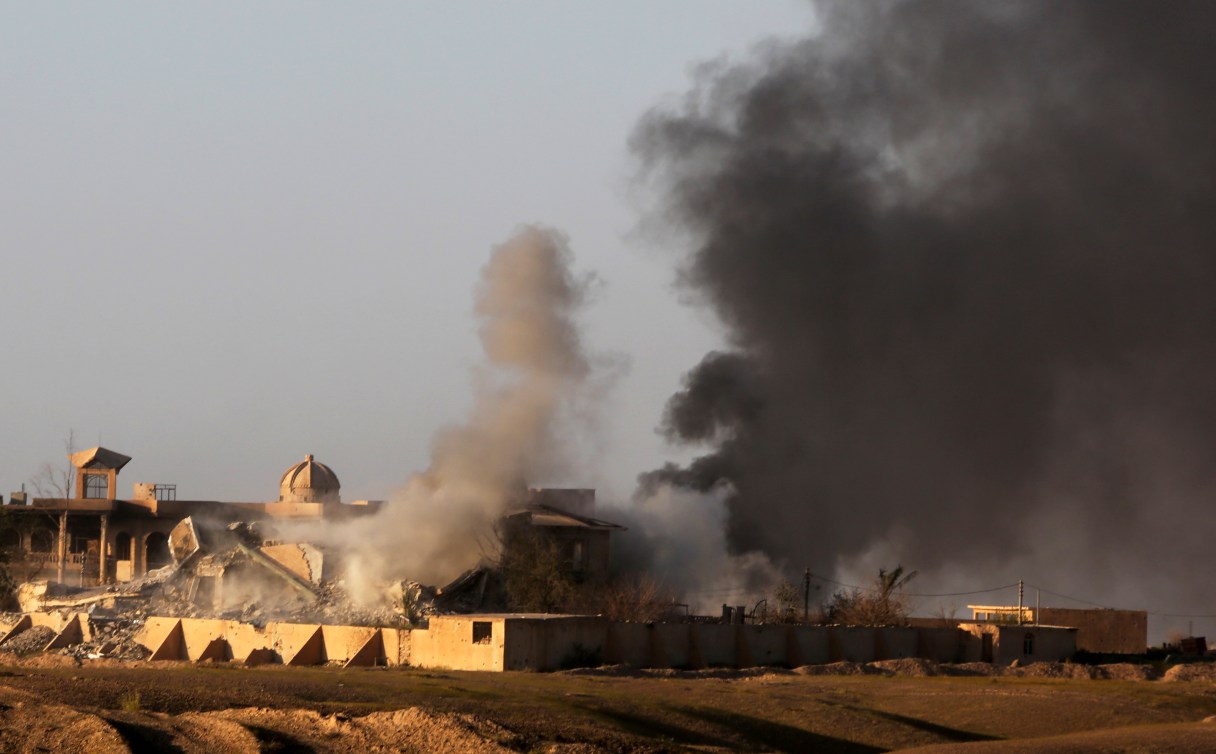
Smoke rises from buildings in central Tikrit, Iraq, during clashes between Iraqi security forces and Islamic State group extremists in the city, 130 kilometers (80 miles) north of Baghdad, Iraq, Thursday, March 26, 2015. Iraqi troops started the final phase of an offensive to recapture Saddam Hussein's hometown of Tikrit on Thursday, a military official said, just hours after the United States launched airstrikes on the Islamic State held city. (AP Photo/Khalid Mohammed)
Smoke rises from buildings in central Tikrit, Iraq, during clashes between Iraqi security forces and Islamic State group extremists in the city, 130 kilometers (80 miles) north of Baghdad, Iraq, Thursday, March 26, 2015. Iraqi troops started the final phase of an offensive to recapture Saddam Hussein's hometown of Tikrit on Thursday, a military official said, just hours after the United States launched airstrikes on the Islamic State held city. (AP Photo/Khalid Mohammed) Smoke rises from buildings in central Tikrit, Iraq, during clashes between Iraqi security forces and Islamic State group extremists in the city, 130 kilometers (80 miles) north of Baghdad, Iraq, Thursday, March 26, 2015. Iraqi troops started the final phase of an offensive to recapture Saddam Hussein's hometown of Tikrit on Thursday, a military official said, just hours after the United States launched airstrikes on the Islamic State held city. (AP Photo/Khalid Mohammed)

BAGHDAD (AP) – Iraq’s most revered Shiite cleric on Friday called for unity among the country’s forces battling the Islamic State group after most of the Iran-backed Shiite militias pulled out of the offensive in the militant-held city of Tikrit in protest over U.S. airstrikes there.

Grand Ayatollah Ali al-Sistani’s appeal came a day after the militias, which had been instrumental so far in the operation to recapture Saddam Hussein’s hometown, announced their boycott of the Tikrit offensive.

The U.S. got involved in the operation and started providing airstrikes on Wednesday in support of the mission at the request of Iraq’s government.

Al-Sistani said that coordination between the military, Shiite militias and tribes is necessary for the success of the operation, according to his representative Ahmed al-Safi in the holy site of Karbala.

It is up to the “high command of (the Iraqi) armed forces to adopt the proper and right decision,” al-Sistani said.