
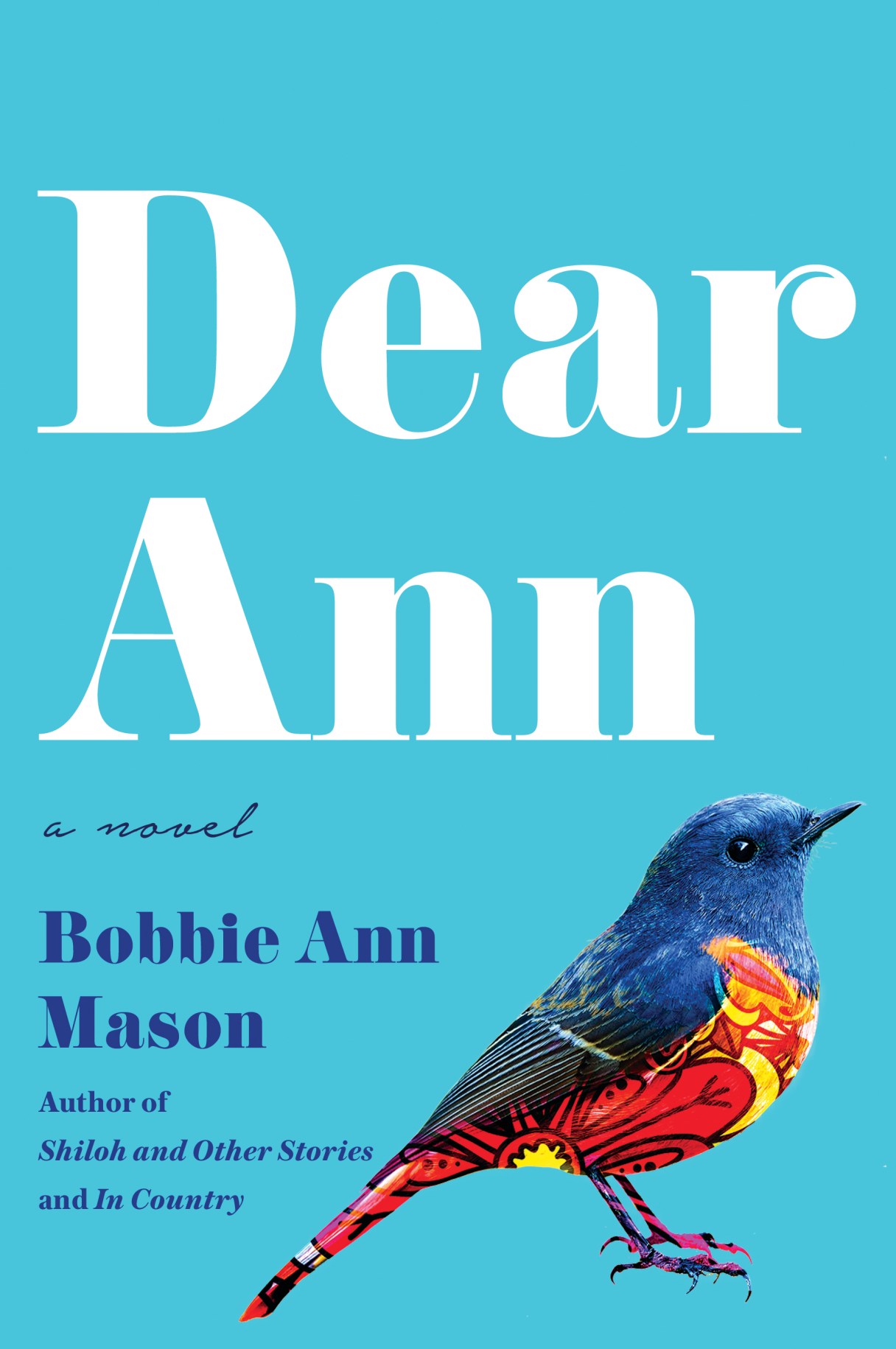
“DEAR ANN: A NOVEL” by Bobbie Ann Mason (Harper, 352 pages, $28).
In her vibrant new novel, “Dear Ann,” Bobbie Ann Mason creates a what-if arc for her heroine. Using a narrative strategy reminiscent of Kate Atkinson’s propulsive 2013 novel, “Life After Life,” Mason imagines the life that might have been for Ann Workman, a graduate student who pursues love and English literature against the turbulent backdrop of the 1960s.
Mason opens with the elderly Ann on a cruise ship in 2017, beset by personal crises and looking back to 1966, when she faced a fork in the road. Born and raised on a Kentucky farm, sick unto death of milking cows and hoeing vegetables, young Ann sought a life of the mind. She matriculated at a Ph.D program in the Northeast’s “Binghamton snow belt,” but now, as her life slopes downward, she recalls the advice of her Berea College professor – Go West, young woman – and trades what really happened for an imagined alternative: Stanford University, in sun-glazed California. Mason drives us down a Route 66 of fantasy, back to the Summer of Love, marijuana brownies and be-ins, the Beatles and the Doors.
At Not-Really-Stanford, Ann settles into a stucco apartment amid a spectrum of West Coast freethinkers, from Indian chemists to bearded philosophers to hippie scholars. She struggles with haughty mansplainers and free-love advocates, and supports herself by typing papers for undergraduates. The gorgeous architecture and landscape give her solace. She’s drawn to the loose sexual mores but retains her Southern accent and decorum. And she dutifully reports back to her parents on the farm, hearing the latest on calving season, suppers of lima beans and scalloped potatoes. (Mason sprinkles in some rich Southern idioms, such as “whopper-jawed” and “catywampus,” a feline named “Whistle Britches.”)
Then she meets Jimmy, a wry-humored fellow graduate student. He hails from Chicago and is charmed by Ann’s poise and naiveté. The two embark on a romance that’s a meeting of minds as well as bodies. They explore the beaches and redwoods near Palo Alto, debating Dickinson and Romantic poets Keats and Shelley (whom Jimmy calls “Sheets and Kelly”). Like her peers Denis Johnson and Tim O’Brien, Mason was shaped by the Vietnam War – her first novel, “In Country,” probed the PTSD of veterans and was made into a feature film – and in “Dear Ann” the conflict comes to the fore in protests and television footage. Ann mulls what war asks of women: “She used to ask herself, hypothetically, what bare necessities she would need if stranded on a desert island. Lipstick and some face moisturizer. A comb … What was really important? The thought of anyone’s boyfriend or husband sent to a jungle war seemed painfully real now. And wrong.”