
Sunday, November 15, 2026Nov 15

Zionism debate at heart of bitter Israeli vote

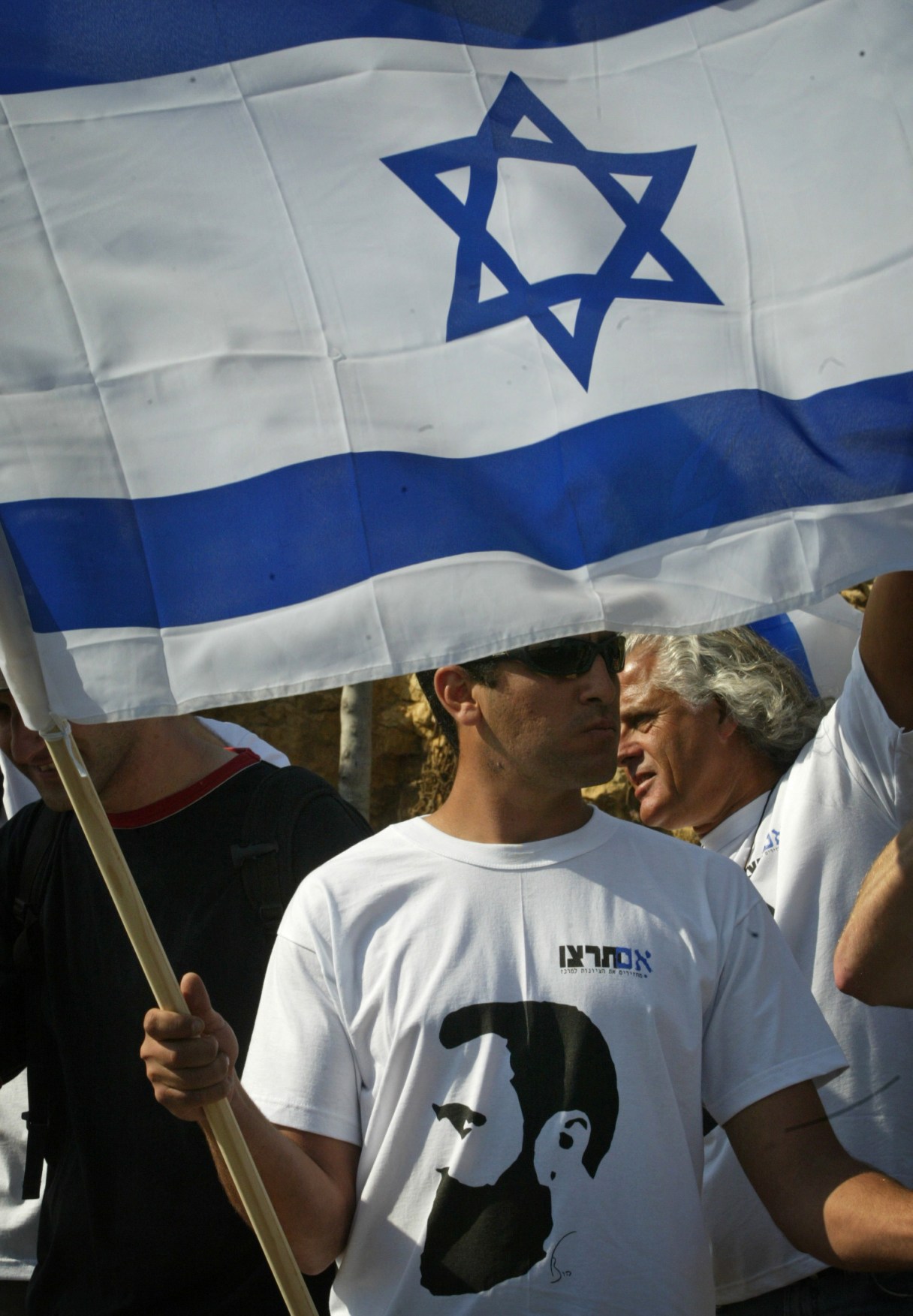
FILE - In this May 1, 2007 file photo, an Israeli, wearing a shirt with an image of Theodor Herzl, the founder of modern Zionism, carries a national flag as he marches in a protest near Jerusalem. What is Zionism? The seemingly antiquated philosophical question has gained urgency in an Israeli election campaign where the liberal opposition has rebranded itself as the Zionist Union in a bid to take votes from the nationalist right of Prime Minister Benjamin Netanyahu -- sparking a debate about Israel's place in the world and setting the stage for a surprisingly climactic vote. (AP Photo/Sebastian Scheiner, File)

JERUSALEM (AP) – What is Zionism? The ideological question, rooted in the 19th century, has gained surprising urgency in an Israeli election campaign that seems more open than had been expected.

Seeking to take votes from the nationalistic right of Prime Minister Benjamin Netanyahu, the relatively liberal opposition has rebranded itself as the Zionist Union — sparking a debate about a concept that some considered resolved when the Jewish state was declared and widely recognized in 1948.

Since adopting the name in early December, Isaac Herzog’s Labor Party – bolstered by a smaller grouping led by former opposition leader Tsipi Livni – has surged in the polls. They are now running neck-and-neck in the polls with Netanyahu’s Likud.

The debate over who best reflects the ideals of Zionism — and who can most credibly lay claim to its successes — has lent an oddly philosophical hue to a campaign that had been dominated by more prosaic issues such as budget scandals in the management of the prime minister’s residence. Along the way, the stage appears to have been set for a surprisingly climactic vote.

On the left, politicians speak of true Zionism as requiring the establishment of peace and equality in the land, including by making peace with the Palestinians.