
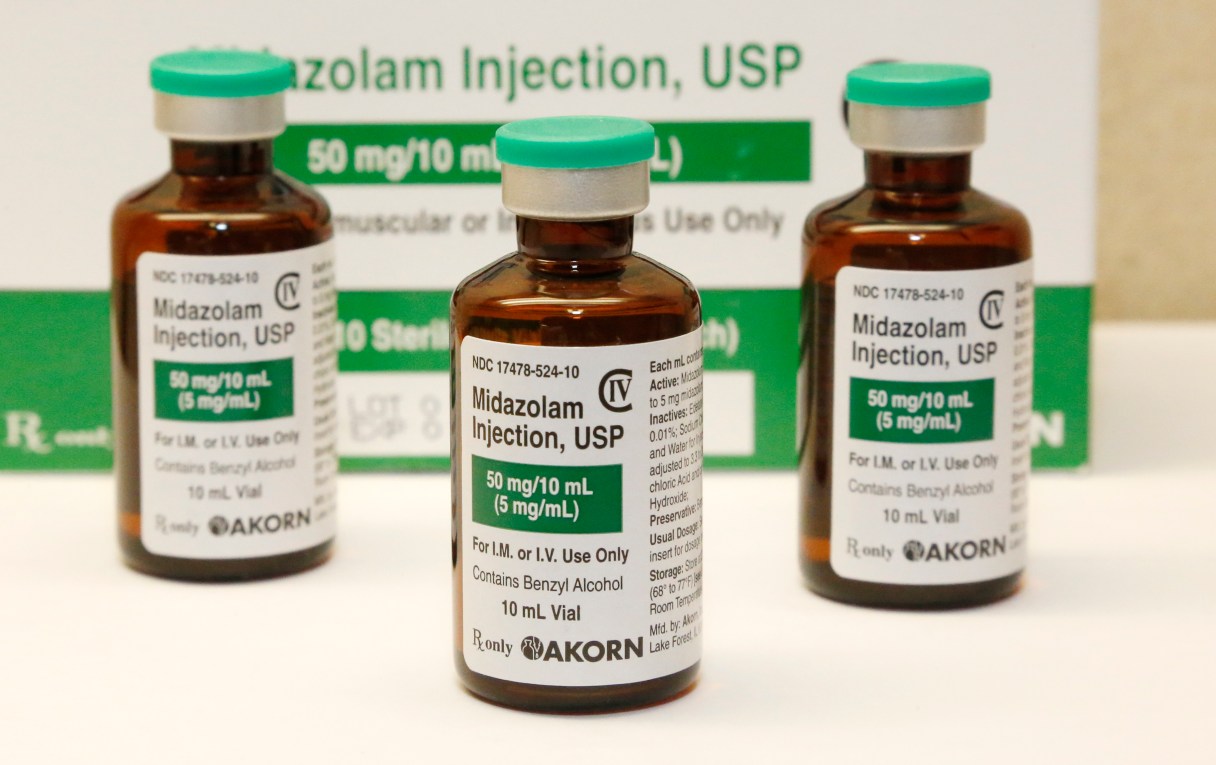
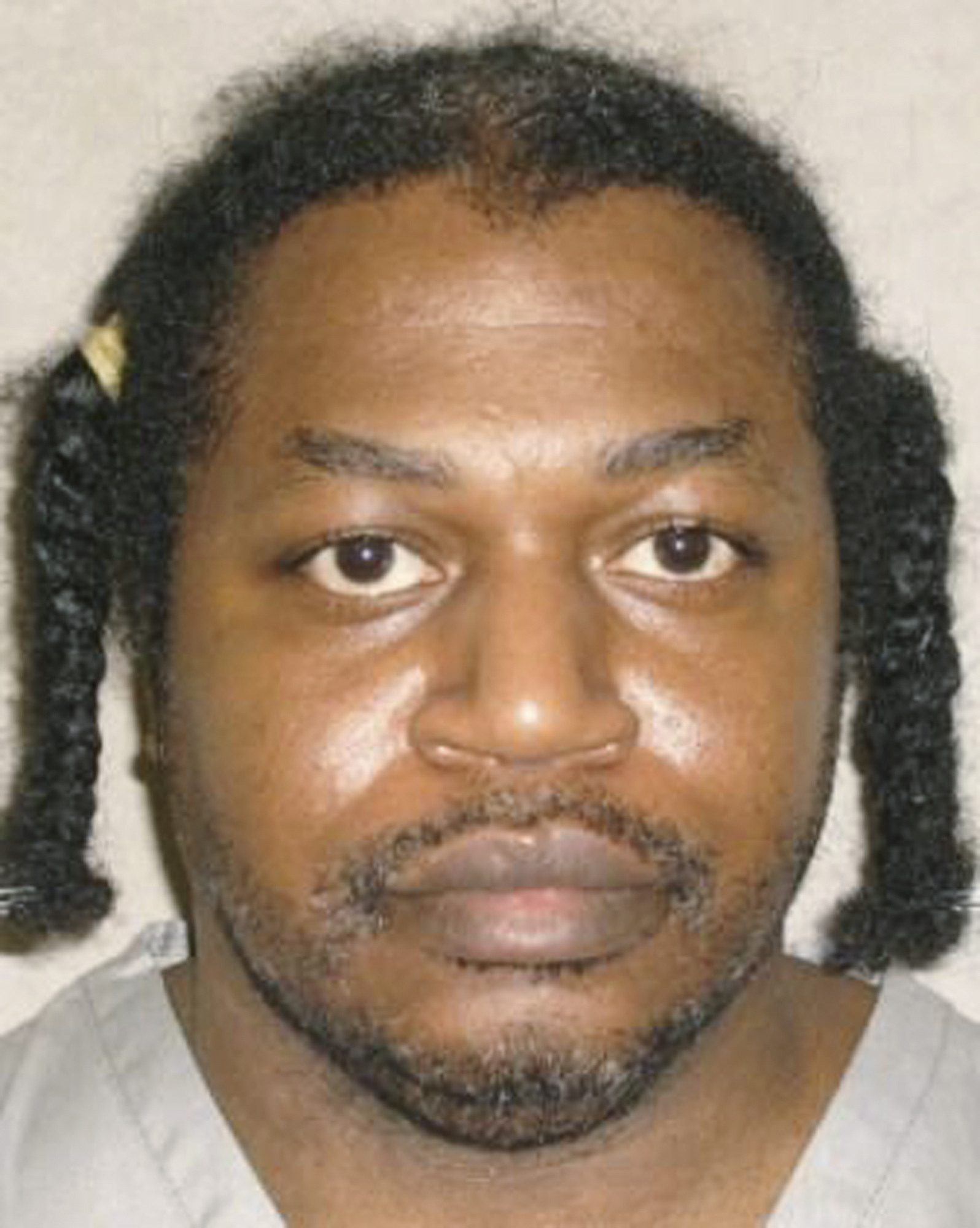
 FILE – This June 29, 2011, photo provided by the Oklahoma Department of Corrections shows Charles Warner. Warner was executed Jan. 15, 2015 for the 1997 killing of his roommate’s 11-month-old daughter. The Supreme Court is stepping into the issue of lethal injection executions for the first time since 2008 in an appeal filed by death row inmates in Oklahoma. The justices agreed Friday, Jan. 23, 2015, to review whether the sedative midazolam can be used in executions because of concerns that it does not produce a deep, comalike unconsciousness and ensure that a prisoner does not experience intense and needless pain when other drugs are injected to kill him. The order came eight days after the court refused to halt the execution Warner that employed the same combination of drugs. The appeal was brought to the court by four Oklahoma inmates with execution dates ranging from January to March. The justices allowed Warner to be put to death and denied stays of execution for the other three. Friday’s order does not formally call a halt to those scheduled procedures. But it is inconceivable that the court would allow them to proceed when the justices already have agreed to a full-blown review of the issue. (AP Photo/Oklahoma Department of Corrections, File)
WASHINGTON (AP) – The Supreme Court is stepping into the issue of lethal injection executions for the first time since 2008 in an appeal filed by death row inmates in Oklahoma.
The justices agreed Friday to review whether the sedative midazolam can be used in executions because of concerns that it does not produce a deep, comalike unconsciousness and ensure that a prisoner does not experience intense and needless pain when other drugs are injected to kill him. The order came eight days after the court refused to halt the execution of an Oklahoma man that employed the same combination of drugs.
Oklahoma uses midazolam as one of three drugs in lethal injection executions. The second drug serves to paralyze the inmate and the third one is used to stop his heart.
The case probably will be argued in April, with a decision expected by the end of June.
The appeal was brought to the court by four Oklahoma inmates with execution dates ranging from January to March. The justices allowed Charles Warner to be put to death on January 15 and denied stays of execution for the other three.