
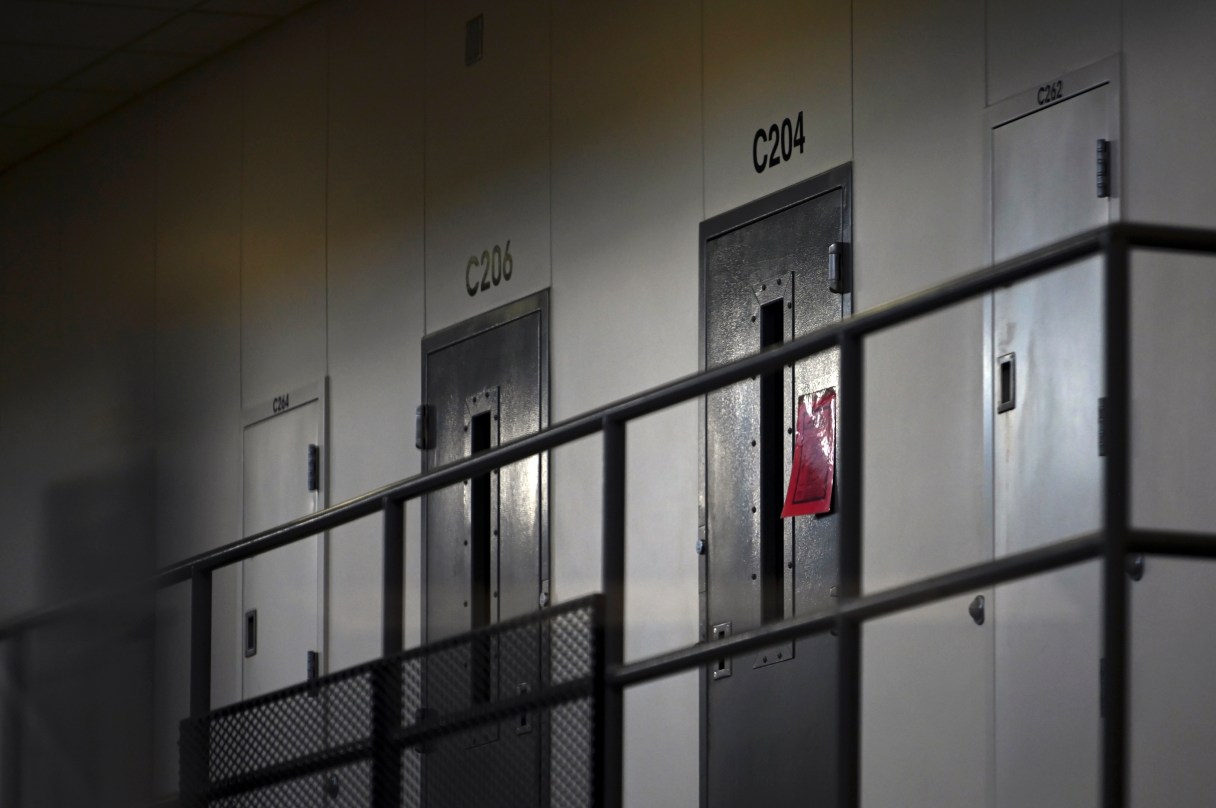
NASHVILLE, Tenn. (AP) – After initially deeming that inoculating prisoners could be a “PR nightmare,” Tennessee officials on Tuesday said some inmates were receiving a COVID-19 vaccine – but only those who qualify as part of other groups the state has prioritized.
The Department of Correction has ordered 2,000 doses of the Johnson & Johnson vaccine and 980 doses of the Moderna vaccine to be distributed to inmates who are 65 and older or have health conditions that put them in groups already given priority status by the state, department spokesperson Dorinda Carter said in an email.
“We anticipate receiving additional doses soon and will order more doses, as needed,” Carter said. “The vaccine will be administered first to older inmates and those with health risks.”
Carter added that the state had begun vaccinating inmates Tuesday.
The department’s announcement came two days after The Associated Press reported that an influential advisory panel tasked with determining eligibility for the vaccine in Tennessee determined that inoculating inmates as part of a priority group would result in “lots of media inquiries.”