
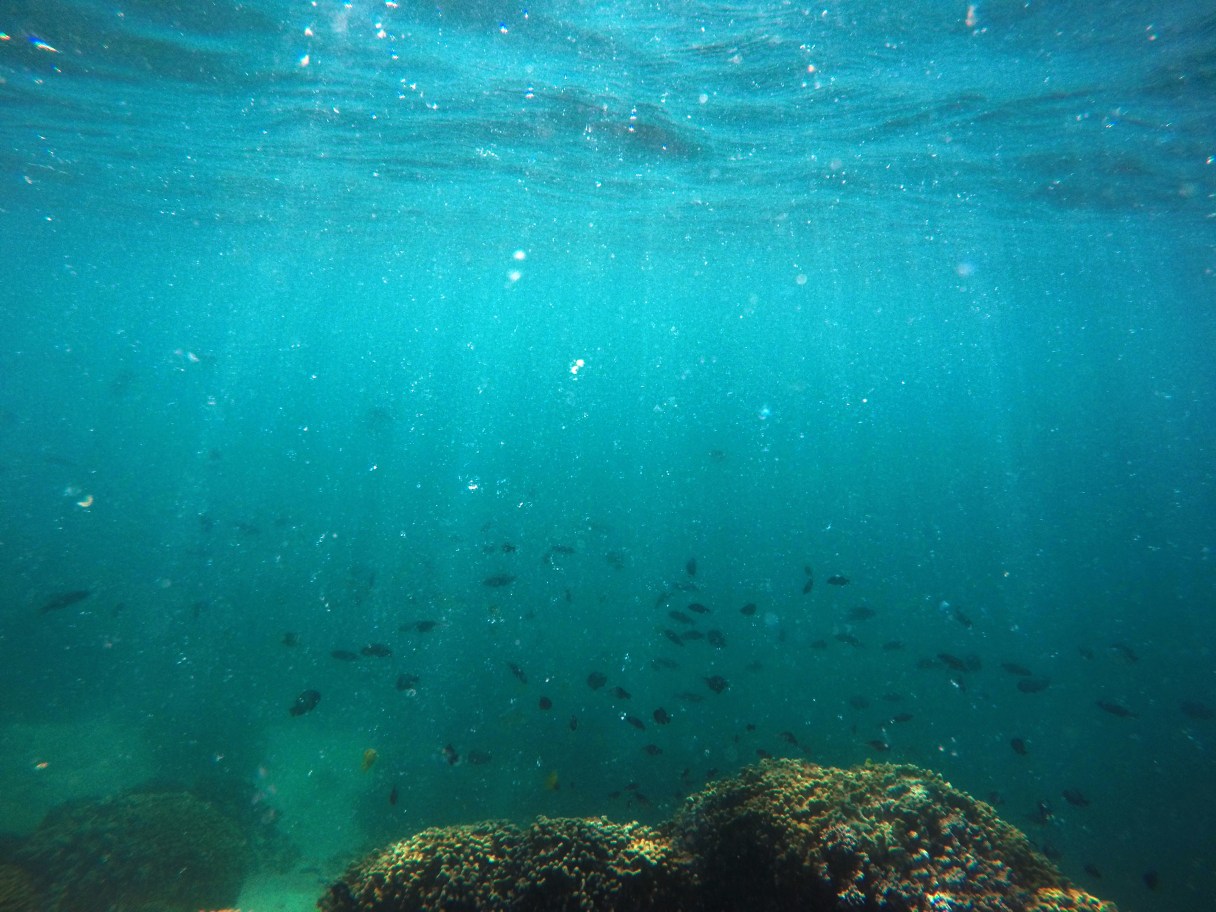
KANEOHE, Hawaii (AP) – Hawaii officials proposed a series of steps to fight coral bleaching that’s threatening the state’s reefs, including new marine protected areas, limits on fishing and controlling polluted runoff from land.
Hawaii’s ocean temperatures have been rising as greenhouse gases in the atmosphere have increased, forcing corals to expel algae they rely on for food. Vast stretches of reef have turned white over the past two summers, increasing the risk that the coral will get sick and die. Some already have died.
It’s a serious concern for the health of the ocean because coral reefs provide habitat for fish and other marine life, scientists say. Severe or concurrent years of bleaching can kill coral reefs, as has been documented over the past two years in oceans around the world. Scientists expect a third year of bleaching to last through the end of 2016.
Bruce Anderson, the state Division of Aquatic Resources administrator, said addressing polluted runoff is difficult, noting it would cost millions of dollars to create artificial wetlands that would help control runoff. Fishermen in the past have also resisted moves to limit their catch.
But Anderson said the coral bleaching crisis presents an opportunity.