
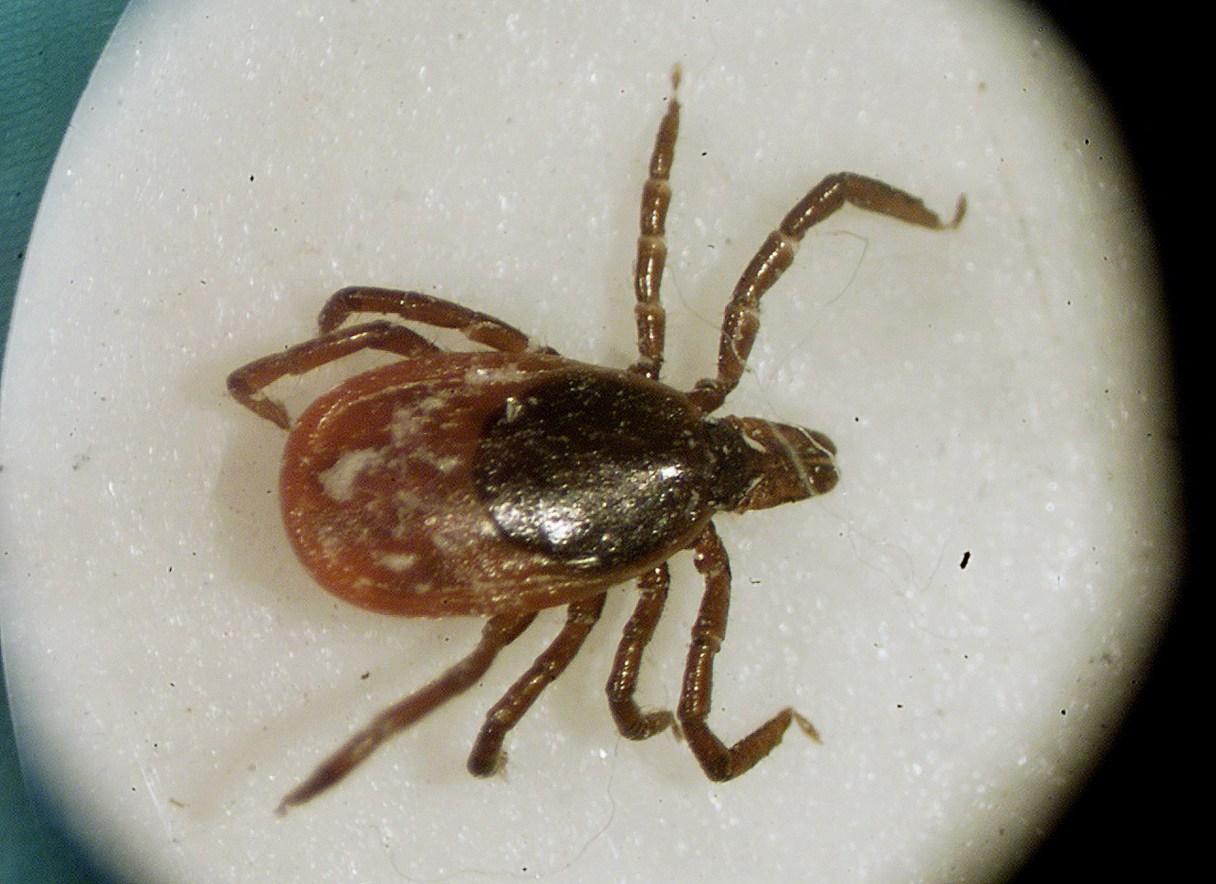
WASHINGTON (AP) – Lyme disease conjures memories of checking for ticks at camp and fretting over bug bites after hikes in the woods. But far from a summertime nuisance, Lyme is a potentially debilitating disease – and the subject of a vigorous debate in modern medicine.
Doctors not only debate how to treat the disease, which starts with fever and rash but can develop into long-term problems such as fatigue, arthritis and concentration problems. After decades, they still argue over the standard test for Lyme, which is subject to severe limitations. The conflict has given rise to a cottage industry of alternative Lyme physicians, laboratories, medical guidelines and even research centers at universities.
Here’s a look at the debate surrounding Lyme disease, which infects an estimated 300,000 people in the U.S. annually.
Q: How does the blood test work?
Lyme disease is caused by a strain of bacteria carried by certain ticks, primarily found in Northeast and Midwestern U.S. and parts of Europe. But the only U.S.-recommended Lyme test doesn’t detect the bacteria. Instead, it measures the immune system’s response to Lyme in the form of antibodies, proteins that help fight infections. While it’s the best approach available, experts acknowledge it is fraught with problems of accuracy and interpretation: The test usually comes back negative even several weeks after infection. Yet the test also can show a positive result years after infection, even after successful antibiotic treatment.