
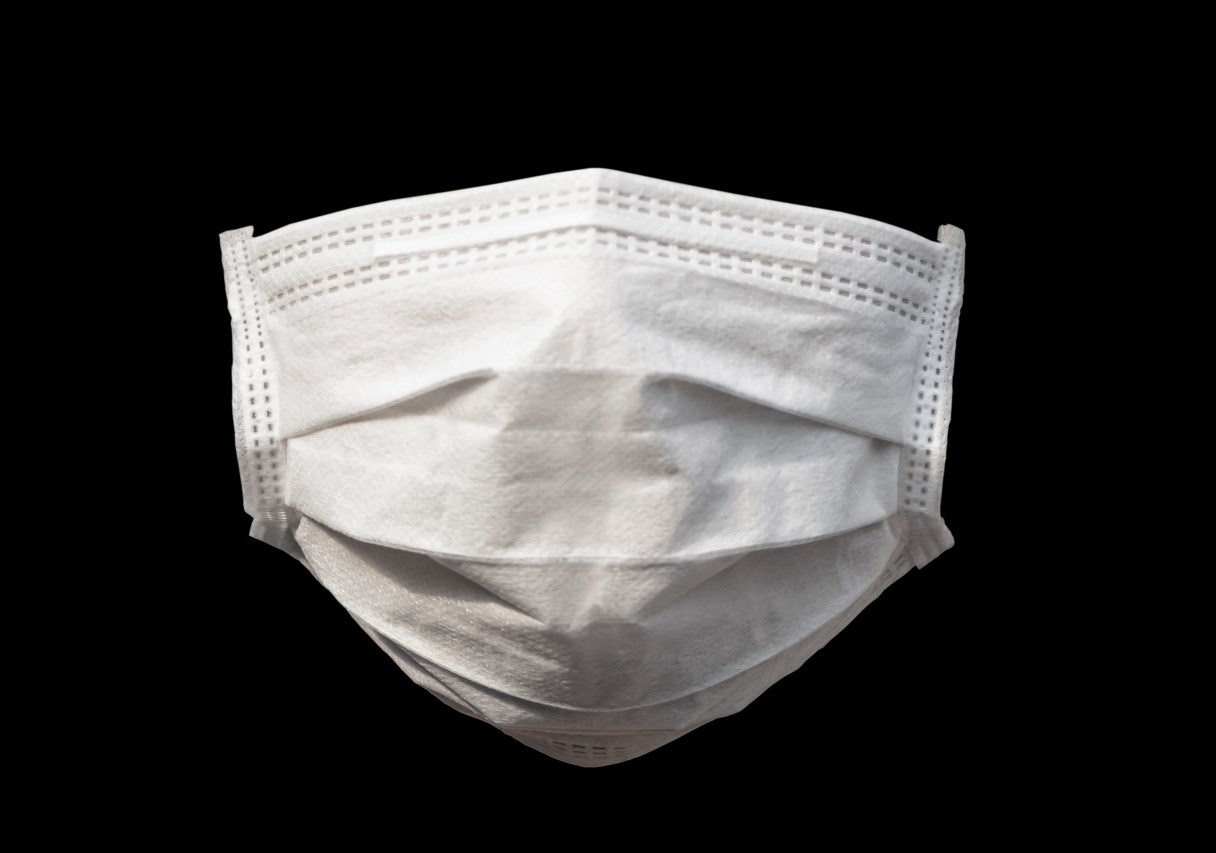
Q: I have accumulated several face masks during the mandate. Which fabrics are best for filtering particles in the air?
A: Researchers agree that the best facial covering is the one a person will wear. Equally important is the fit of the covering.
In some circumstances, the employer determines which masks/facial coverings are allowed, depending on the likelihood of coming in close proximity to someone with COVID-19. Health-care workers, hospital staff, dentists, dental assistants, teachers, firefighter and police officers, for example, may be required to wear the N95 masks, which filter 95% of particles that are 0.3 microns in size or larger. (For comparison, the diameter of a human hair is about 70 microns.) Remember, though, that N95 masks with valves do not protect those around you, because the wearer’s exhaled breath is unfiltered and allows droplets to escape.
During the early phase of the pandemic, the N95 and surgical masks shortage created an opportunity for the development of original face coverings and for researchers to determine the best fabrics for the face coverings.
Scientists around the country have attempted to identify everyday materials that filter microscopic particles. HEPA furnace filters, vacuum cleaner bags, layers of 600 thread count pillowcases and fabric similar to flannel pajamas scored high. Coffee filters had medium scores. Scarves and bandanna material had the lowest scores, but still captured a small percentage of particles. Some face masks are made with openings between the front and back fabrics so that an extra layer of protection, such as a coffee filter or a cut-up piece of furnace filter, may be inserted.