







New business investments
In 2015, 18 new business additions or expansions were announced, collectively adding 2,451 jobs and another $456.8 million of investment. Major projects announced this year include:› Gestamp automotive supplier expansion, $180 million and 510 more jobs› Vanguard National Trailer Corp. plant for semi-trailers, $30 million and 400 new jobs› Amazon expansion of its Chattanooga fulfillment center, 400 more jobs› Yanfeng Automotive Interiors supply plant, $55 million and 325 new jobs› Schnellecke Logistics USA, automotive support operation, 300 more jobs› West Star Aviation aircraft maintenance facility, $22.3 million and 200 new jobs› McKee Foods Corp., expansion, $102.35 million and 50 more jobsSource: Chattanooga Area Chamber of Commerce
After shedding nearly 26,000 jobs in the 2008-2010 recession, Chattanooga area employers pretty much had their pick among qualified applicants for most of the jobs added back over the past seven years.
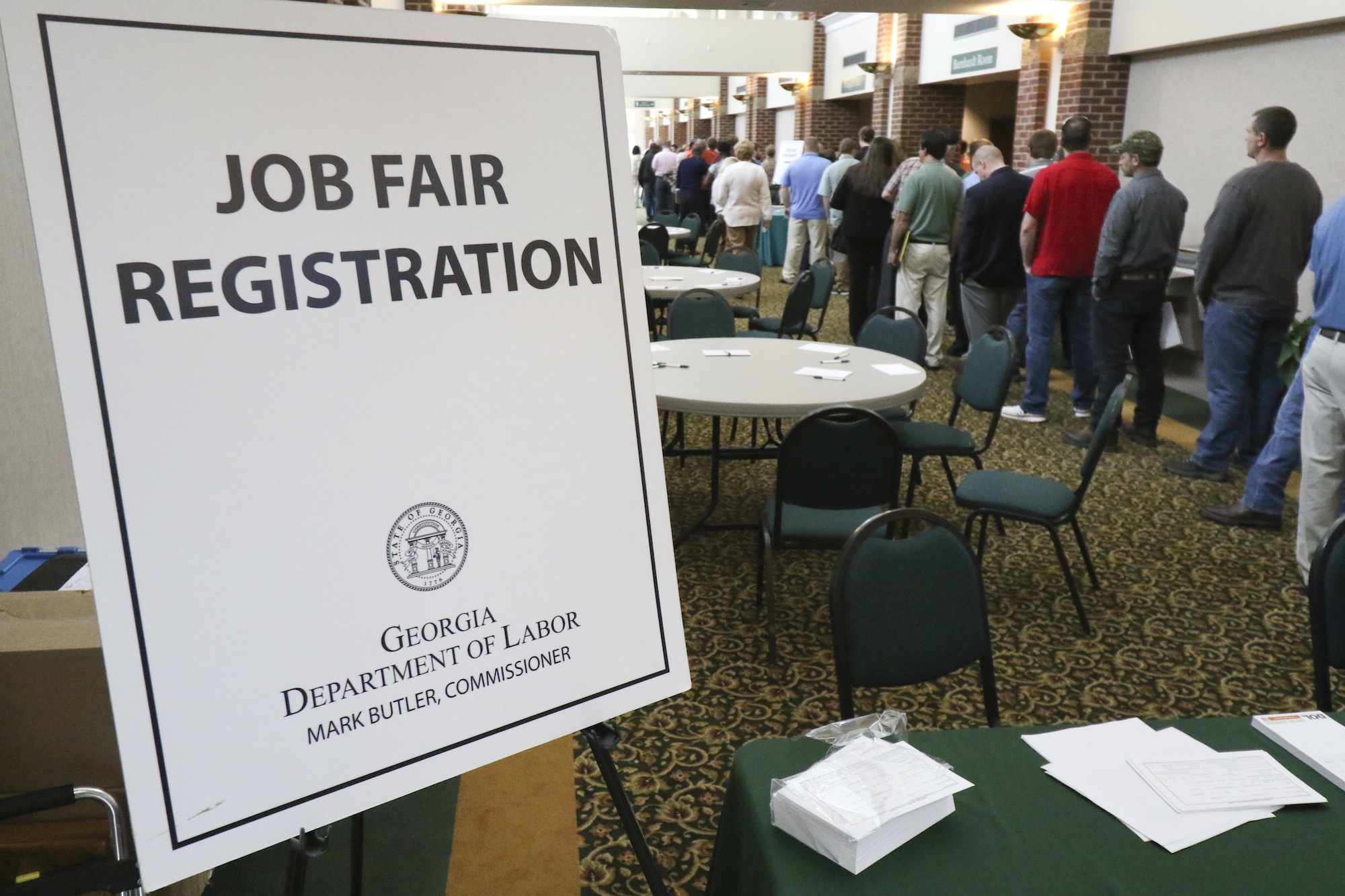
But as employment growth accelerates and rises to a new peak in 2016, businesses face a new challenge. Consumer demand has returned, but in many instances an adequate supply of skilled workers has not.
The growth of Volkswagen and its suppliers, combined with new tech startups and the expansion of the region’s tourism and logistics industry, are projected to quicken the pace of job growth in the Chattanooga area and exacerbate employers hiring crunch.
Based upon business additions and expansions already announced, the Chattanooga Area Chamber of Commerce projects local employers will add 13,500 jobs in the next five years, or nearly four times the 3,573 jobs added in the county over the past five years.
Most of those new jobs will be more demanding than the jobs of the past, especially those that were lost during the last economic downturn. Among the new jobs that pay a middle-class annual pay of $35,000 or more, 83 percent require some post-secondary degree or certification. But only 35 percent of the graduates from public schools in Hamilton County earn any such certified skill or degree within six years of graduation.
“The challenge for us at this point of the business cycle – and going on into the future – is finding the quality of workers that employers demand,” says Dr. William Fox, director of the Center for Business and Economic Research at the University of Tennessee.
Many employers are having to widen their search to filled skilled jobs. Only 56 percent of the job vacancies in Hamilton County are now filled by residents who live in the county, according to data compiled by the Chattanooga Chamber of Commerce. Chamber President Bill Kilbride
Tim Spires, a former Olin Chemical manager who now heads the Tennessee Association of Manufacturers, says the job market is as tough as he has seen in more than 30 years in manufacturing.
“As Baby Boomers age and retire and more jobs open up, the available pool of workers that employers can tap is not as great, and the skill demands are much higher,” he says.
Most of the new manufacturing jobs don’t require a 4-year college degree. But they do require a certified level of technical training in machinery, welding, maintenance or other skills. Such certificates require anywhere from a 12-week commercial driving course or computer programming certification to a 2-year associate’s degree.
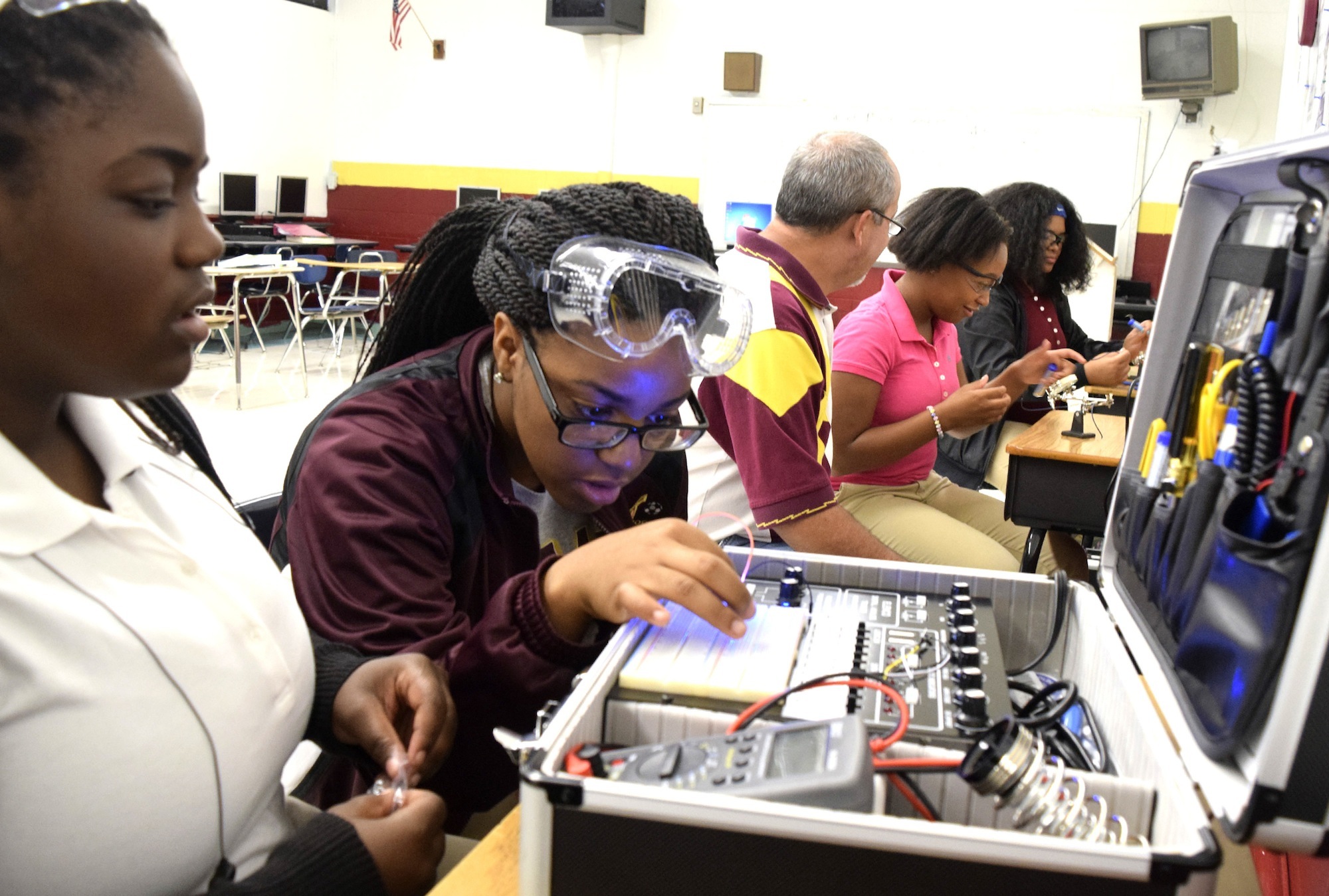
To fill the new jobs, Tyner High School has added a mechatronics training program funded, in part, by Gestamp, which is expanding its Chattanooga operation and adding another 510 jobs. Graduates of the engineering and technology programs at Chattanooga State Community College, including the new Wacker Institute developed to help staff the Wacker Chemical plant in Charleston, are being recruited by multiple employers wanting their skills – both those with 2-year degrees or those with quicker-to-earn industry certificates.
“There are probably three employers trying to hire every one of our graduates, right now,” says Lulu Copeland, Chattanooga State’s interim executive director of workforce development.
To address the shortage of skilled workers, the Chamber is joining with local foundations and other business groups to start a 100-day campaign this winter to develop ways to improve public schools and better prepare graduates for the skills sets needed for 21st century jobs.
Jared Bigham, a former Polk County high school principal and director of college and career readiness for the State Collaborative on Reforming Education, is coordinating a new initiative trying to help local public schools better prepare graduates for the new jobs in Hamilton County.
“Almost every employer we talk with is in need of workers who have both the hard and soft skills to perform the jobs that are being added in our area,” he says.