
A new study shows that Tennesseans are among the least slowed down by the COVID-19 outbreak.
“In fact, the state has recorded a 2% increase in visits to grocery stores and pharmacies since the beginning of the year,” said WalletHub analyst Jill Gonzalez.
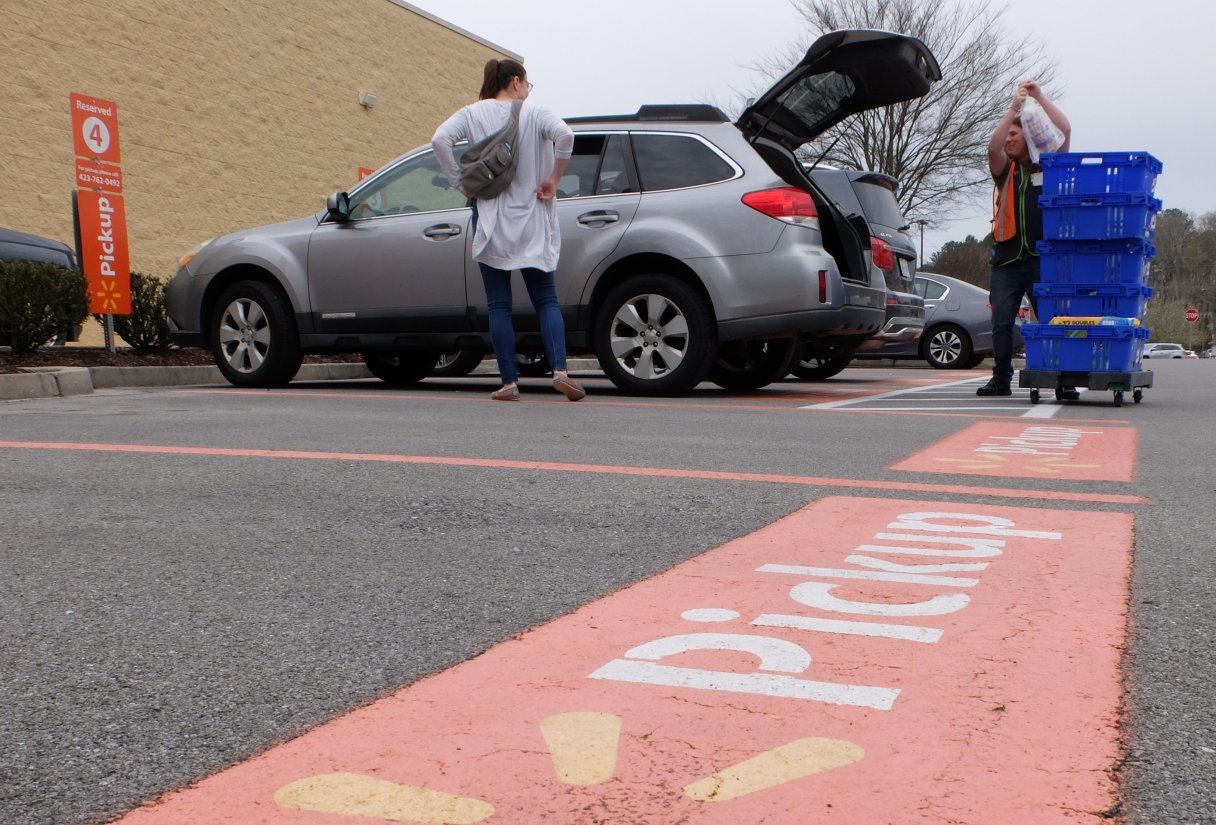
That may not be surprising to many given the lines at Walmart, Food City, Publix and other grocers, especially at the start of the pandemic in the U.S.
But the Volunteer State has also has had less of a decline in overall traffic, including mobility of workers and visits to recreation areas in the past month since the COVID-19 outbreak brought widespread stay-at-home orders across the country.
Overall, Tennessee was the ninth least slowed down state, ranking No. 42, the study by the personal finance website showed.
Alabama slowed even less than Tennessee, coming in at No. 45. Georgia was in at the middle of the pack at No. 26.
Hawaii was the most slowed down by COVID-19 at No. 1, followed by New York and New Jersey, according to WalletHub.
Joining Tennessee among the least slowed were Kentucky and Arkansas, with Nebraskans staying on the go the most and ranking No. 50.
More Info
What states are slowed the most by the coronavirus? * 1. Hawaii * 2. New York * 3. New Jersey * 4. Vermont * 5. Nevada * 6. Florida What states are slowed the least by the coronavirus? * 50. Nebraska * 49. Kansas * 48. Arkansas * 47. Kentucky * 46. Iowa * 42. Tennessee Source: WalletHub
WalletHub compared the states across six key metrics using Google data – retail and recreation, grocery and pharmacy, parks, transit stations, workplaces and homes.
Each measures the percentage point increase or decrease in visits to various types of places due to coronavirus. The changes were calculated using data from April 11 versus the median value for the corresponding day of the week during the Jan. 3 – Feb. 6 period, according to WalletHub.
Gonzalez said the results are affected by whether there was a shelter-in-place regulation in effect at the April 11 date WalletHub compiled the data.
“States with mandatory quarantine in place typically had lower mobility,” Gonzalez said.
She said that while it’s encouraging that fewer people are going out during COVID-19 to help stop the spread, not leaving home means less money flowing into the economy.
Gonzalez said it’s important for government to keep taking measures to protect both businesses and consumers financially.
“The government needs to focus on keeping people safe while simultaneously preparing for the eventual restart of the economy,” she said. “We need to create measures enabling vulnerable people to stay at home longer while letting the majority of the population get back to work.”
In the Scenic City, the Chattanooga Area Chamber of Commerce is pushing a campaign to spur people to “buy local” to spur business activity here.
“The goal is to get people to think about spending dollars in the local economy where we hire people and where tax dollars are recirculated locally,” said Christy Gillenwater, the Chamber’s president and CEO.
Contact Mike Pare at mpare@timesfreepress.com. Follow him on Twitter @MikePareTFP.