
Monday, November 16, 2026Nov 16

Rocky road: Britain’s troubled ties to European Union

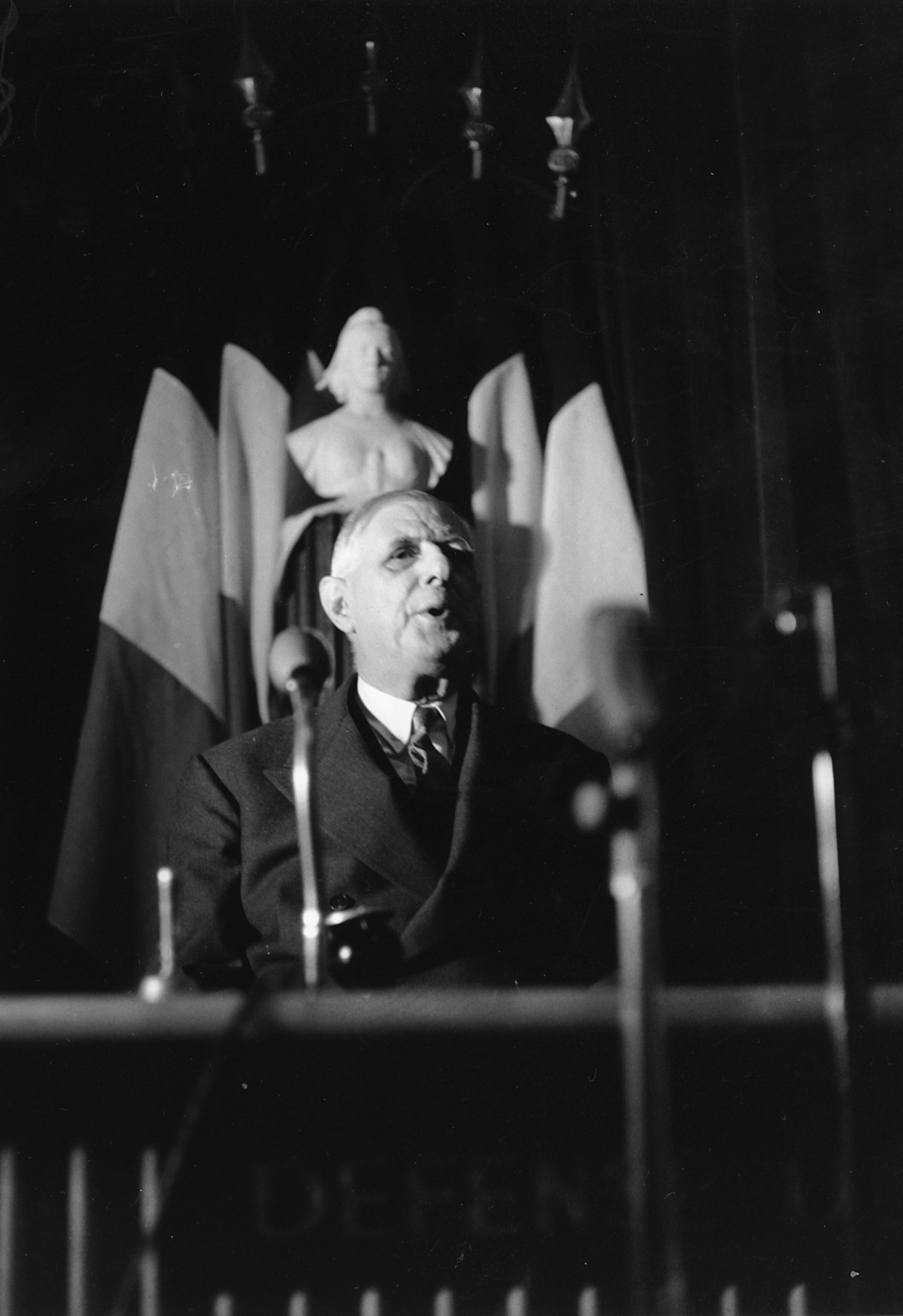
FILE - In this March 10, 1961 file photo, France's President, Charles De Gaulle speaks at the French General Assembly, in Paris. Britain’s ambitions to become a member of the European Economic Community were twice dealt a blow in the 1960s when de Gaulle vetoed the country’s applications. Non, he said, claiming that Britain could bring about the end of what was then commonly referred to as the “common market.” (AP Photo/Levy, File)

LONDON (AP) – The British people will get another chance to decide on their European future by the end of 2017 – marking one more milestone in a long-troubled relationship.

The planned referendum on Britain’s membership in the 28-country European Union following a renegotiation of some of the terms of the country’s membership is a key element of the new Conservative government’s program.

Prime Minister David Cameron was Friday on the second day of a whistle-stop tour of European capitals, trying to convince leaders to offer concessions, including limits to welfare benefits EU migrants can claim.

Europe’s been a source of contention for decades in Britain. The British may love Alpine skiing, the horrors of Scandi-noir drama and the late-night hotspots on the Spanish island of Ibiza, but they have often been ambivalent over being part of a political and economic union with Europe.

Many reasons have been cited for the complex relationship.