
SINGAPORE (AP) – Living through the coronavirus pandemic in Singapore, Joys Tan followed the rules that helped the city-state keep its cases low: keeping her distance from others, wearing a mask and getting herself vaccinated.
Nobody in her family had contracted the virus, and it was with confidence that she had dinner at her godmother’s house earlier this month, even with infections rising rapidly, fueled by the delta variant, as the government pushed ahead with a strategy of “living with COVID” as an endemic disease with a gradual relaxation of restrictions.
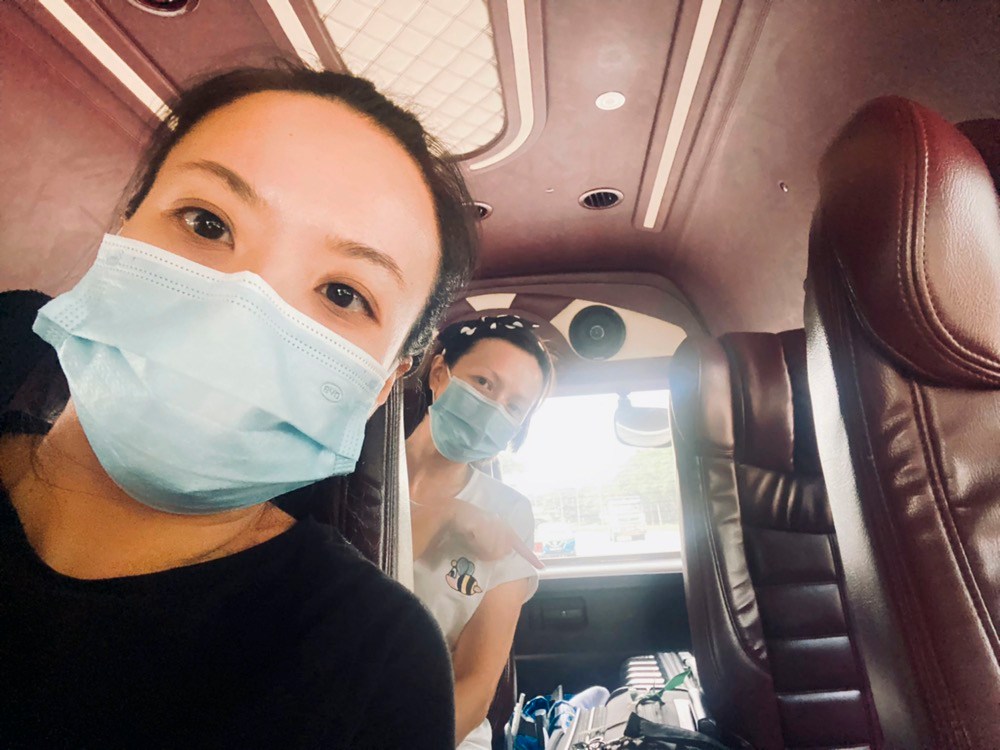
Two days later, Tan learned her godmother had tested positive for COVID-19, forcing her into precautionary quarantine herself. As she lived in a hotel room away from her husband and 2-year-old son for nearly a week, the 35-year-old graphic designer began to wonder, like many Singaporeans, if living with COVID-19 means living with permanent anxiety about possible infections.
“I am worried all the time, super worried all the time, because of not knowing what lasting effects COVID has on the body; and when you have a young kid, it’s constantly on your mind,” she said. “I’m trying to embrace the endemic mindset that the government is transitioning into, but it’s very hard.”
With a hard-line “circuit-breaker” lockdown early in the pandemic, the major business and trade hub of Singapore was able to keep the spread of new coronavirus cases to the single or low double-digits for nearly a year. Now as it’s embarking on a high-profile test of reopening, they’re skyrocketing, and hit a new record of 2,258 on Wednesday, laying bare the challenges faced.