
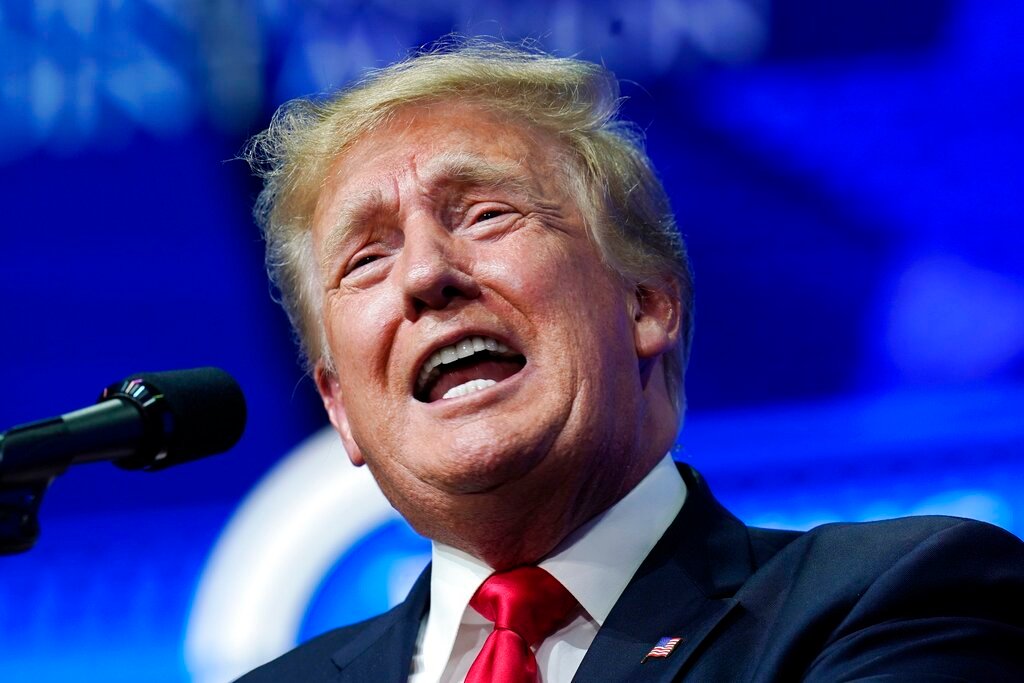
Political theorists, philosophers of social science, pundits and the media are essentially right to say that we live in a “post-truth” society, even world. This viewpoint has been associated with left-wing academics in the postmodernist and deconstruction traditions and right-wing autocratic leaders like former President Donald Trump, namely leaders who regularly depart from saying what is true.
Truth, notably a factual accounting of the world, has definitely lost value. Either Trump and many Republicans painted very misleading or plainly false pictures of reality or they transcended the very distinction between truth and falsity and made the concept of truth itself meaningless. Politicians are not historically known as the most honest of professionals, but the dishonesty in the last five years has been elevated to its highest peak in American history.
What has driven this loss is an ethical concept, namely lying. Getting the truth wrong about a given state of affairs does not in itself reveal any ethical failing. Failing to state the facts, whether the topic concerns voting irregularities, climate change science, deaths as a result of handguns in 2020 or the number of people who have received two COVID-19 vaccines in a given state, may arise out of ignorance. It is only when someone intentionally misleads others to believe that a given state of affairs is true when it is actually false that an ethical wrong has been committed.
The deception that drives so much of the extremist agenda (and the way the far wings of a party use it to manipulate and harm the public) is one of the principal causes of the feelings of loss of trust experienced by those not on the wings. Admittedly, the majority of Americans in both major parties as well as independents have suffered a loss of trust in our political institutions since Vietnam and Watergate. Trump did not start this ball rolling. But he did snowball it for over half of the country.
The concept of a post-truth society is valuable, but it needs to be supplemented with a concept of a post-ethics society. The concept of post-truth, though it involves some ethical concepts, does not get us all the ethical values we need to adequately explain the sorry state of our democratic institutions.