
Tuesday, November 3, 2026Nov 3

This story is free to read.

New York eyes ‘textalyzer’ to combat distracted driving

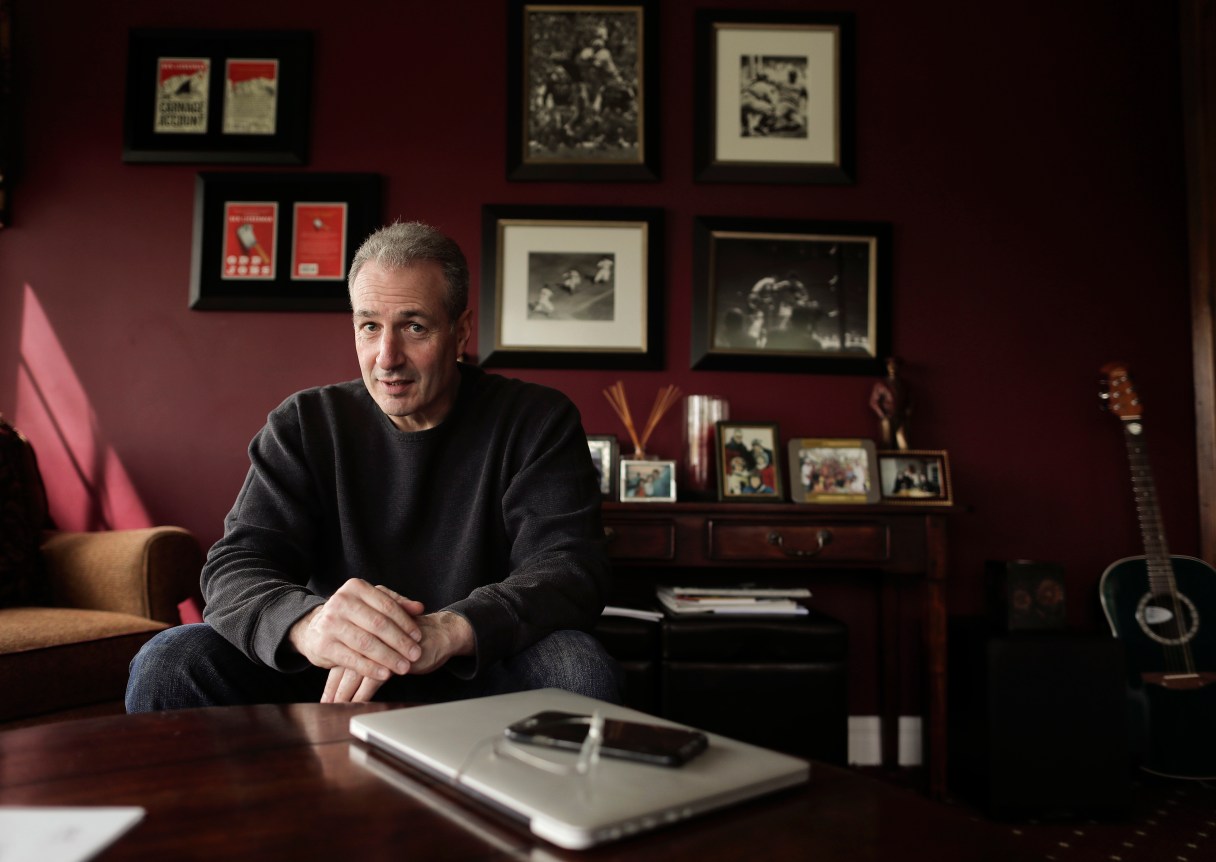
In this Wednesday, May 10, 2017 photo, Ben Lieberman sits for a portrait at his home in Chappaqua, N.Y. After his 19-year-old son, Evan, was killed in a car crash in which the driver of the vehicle he was riding in was texting behind the wheel, Liberman has been working on a proposal that would allow police at accident scenes in New York to immediately examine drivers' cellphones with a device to determine if they'd been tapping, swiping or clicking. (AP Photo/Julie Jacobson)
In this Wednesday, May 10, 2017 photo, Ben Lieberman sits for a portrait at his home in Chappaqua, N.Y. After his 19-year-old son, Evan, was killed in a car crash in which the driver of the vehicle he was riding in was texting behind the wheel, Liberman has been working on a proposal that would allow police at accident scenes in New York to immediately examine drivers' cellphones with a device to determine if they'd been tapping, swiping or clicking. (AP Photo/Julie Jacobson) In this Wednesday, May 10, 2017 photo, Ben Lieberman sits for a portrait at his home in Chappaqua, N.Y. After his 19-year-old son, Evan, was killed in a car crash in which the driver of the vehicle he was riding in was texting behind the wheel, Liberman has been working on a proposal that would allow police at accident scenes in New York to immediately examine drivers' cellphones with a device to determine if they'd been tapping, swiping or clicking. (AP Photo/Julie Jacobson)

ALBANY, N.Y. (AP) – New York lawmakers are considering a Breathalyzer of sorts to combat distracted driving from texting.

Legislation would allow police to use a so-called “textalyzer” to determine if a driver had been clicking, tapping or swiping a mobile device in the moments before an injury-involved accident.

Similar legislation is being considered in New Jersey, Tennessee and Chicago.

The idea already faces obstacles from constitutional and privacy advocates who are quick to note that police need the owner’s consent and a warrant to get cellphone records. They’re also concerned such technology would be used to access all of the personal information people may have on their cellphones.