
Thursday, November 12, 2026Nov 12

Whoopee cushion, bra pad, parking meter among NJ beach trash

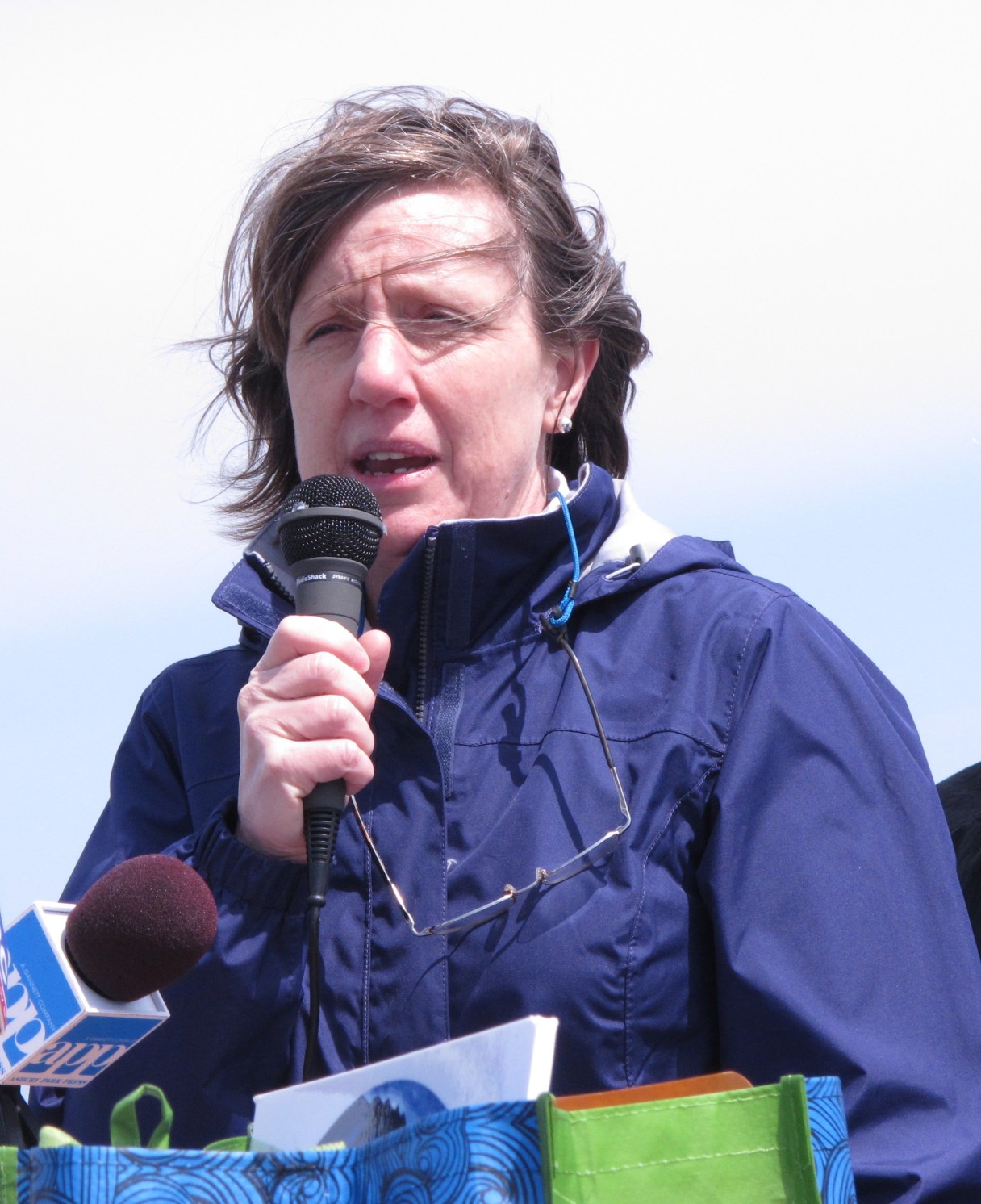
Cindy Zipf, executive director of the Clean Ocean Action environmental group, speaks at a press conference Monday, April 13, 2015, in Sandy Hook, N.J. at which the group released its annual report on the amount and types of garbage picked up from New Jersey beaches by volunteers. Plastic pieces accounted for 13 percent of the 315,000 items removed from the sand last spring and fall. Unusual items found along the shoreline included a whoopee cushion, bra padding, a stun gun and a clay sculpture of the baby Jesus. (AP Photo/Wayne Parry)
Cindy Zipf, executive director of the Clean Ocean Action environmental group, speaks at a press conference Monday, April 13, 2015, in Sandy Hook, N.J. at which the group released its annual report on the amount and types of garbage picked up from New Jersey beaches by volunteers. Plastic pieces accounted for 13 percent of the 315,000 items removed from the sand last spring and fall. Unusual items found along the shoreline included a whoopee cushion, bra padding, a stun gun and a clay sculpture of the baby Jesus. (AP Photo/Wayne Parry) Cindy Zipf, executive director of the Clean Ocean Action environmental group, speaks at a press conference Monday, April 13, 2015, in Sandy Hook, N.J. at which the group released its annual report on the amount and types of garbage picked up from New Jersey beaches by volunteers. Plastic pieces accounted for 13 percent of the 315,000 items removed from the sand last spring and fall. Unusual items found along the shoreline included a whoopee cushion, bra padding, a stun gun and a clay sculpture of the baby Jesus. (AP Photo/Wayne Parry)

SANDY HOOK, N.J. (AP) – Among the seashells, sandcastles and ocean waves at the Jersey shore last year, you may also have seen these: a whoopee cushion, a parking meter, a stun gun, a clay sculpture of baby Jesus and some bra padding.

They were among the more than 315,000 items of trash picked up from New Jersey’s 127-mile coastline in 2014 by volunteers as part of spring and fall beach sweeps carried out by the Clean Ocean Action environmental group.

Plastic pieces were the most common trash, comprising 13 percent of the total. Many of them were broken down into small pieces, indicating a serious problem with so-called “microplastics” entering the marine environment and being eaten by fish or marine animals.

The trash was either left behind by beachgoers, or washed ashore by the tides from careless boaters, faraway trash dumps, or sewer systems that overflowed during storms.

Here’s a look at some of the more unusual items that were picked up: