
Monday, November 16, 2026Nov 16

Russian who ‘saved the world’ recalls his decision as 50/50

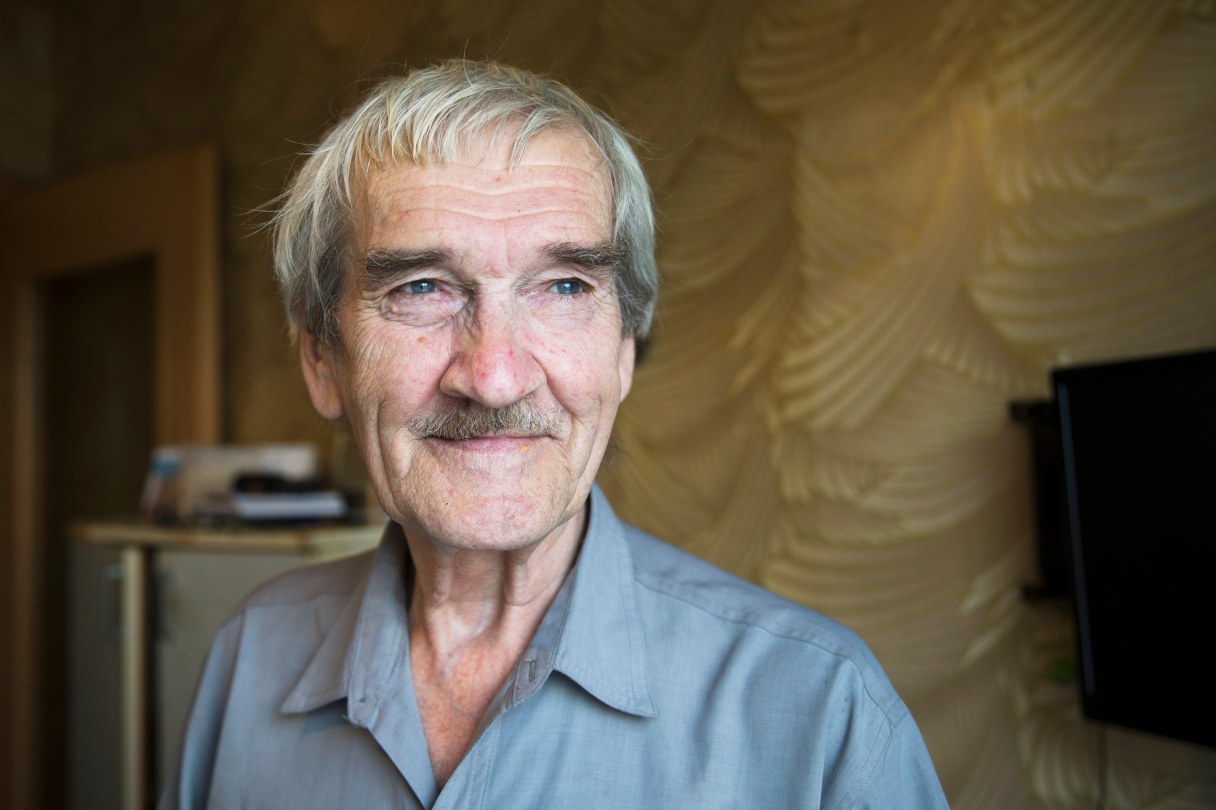
In this Thursday, Aug. 27, 2015 photo former Soviet missile defense forces officer Stanislav Petrov poses for a photo at his home in Fryazino, Moscow region, Russia, Thursday, Aug. 27, 2015. On Sept. 26, 1983, despite the data coming in from the Soviet Union’s early-warning satellites over the United States, Petrov, a Soviet military officer, decided to consider it a false alarm. If he had decided otherwise, the Soviet leadership could have responded by ordering a retaliatory nuclear strike on the United States. (AP Photo/Pavel Golovkin)

FRYAZINO, Russia (AP) – The elderly former Soviet military officer who answers the door is known in the West as “The man who saved the world.”

A movie with that title, which hits theaters in the United States on Friday, tells the harrowing story of Sept. 26, 1983, when Stanislav Petrov made a decision credited by many with averting a nuclear war.

An alarm had gone off that night, signaling the launch of U.S. intercontinental ballistic missiles, and it was up to the 44-year-old lieutenant colonel to determine, and quickly, whether the attack on the Soviet Union was real.

“I realized that I had to make some kind of decision, and I was only 50/50,” Petrov told The Associated Press.

Despite the data coming in from the Soviet Union’s early-warning satellites over the United States, Petrov decided to consider it a false alarm. Had he done otherwise, the Soviet leadership could have responded by ordering a retaliatory nuclear strike on the United States.