
Saturday, November 14, 2026Nov 14

Virus pummels global economy, jobs – even without 2nd wave

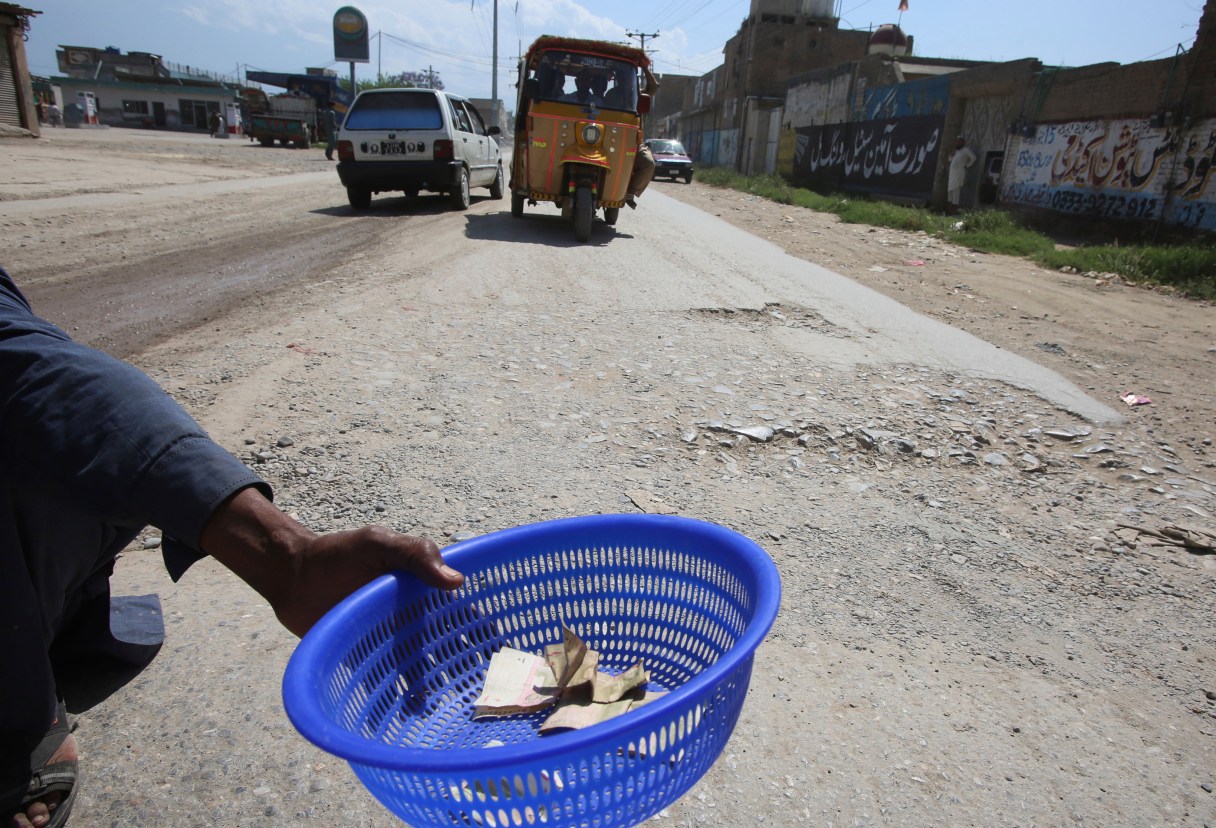
In this May 6, 2020 photo, a man begs at a roadside during a lockdown to help to contain a spread of coronavirus in Peshawar, Pakistan. For millions of people who live in poor and troubled regions of the world, the novel coronavirus is only the latest epidemic. They already face a plethora of fatal and crippling infectious diseases: polio, Ebola, cholera, dengue, tuberculosis and malaria, to name a few. The diseases are made worse by chronic poverty that leads to malnutrition and violence that disrupts vaccination campaigns. ( AP Photo/Muhammad Sajjad)

PARIS (AP) – The virus crisis has triggered the worst global recession in nearly a century — and the pain is not over yet even if there is no second wave of infections, an international economic report warned Wednesday.

Hundreds of millions of people have lost their jobs, and the crisis is hitting the poor and young people the hardest, worsening inequalities, Organization for Economic Cooperation and Development said in its latest analysis of global economic data.

“It is probably the most uncertain and dramatic outlook since the creation of the OECD,” Secretary General Angel Gurria said. “We cannot make projections as as we normally do.”

In the best-case scenario, if there is no second wave of infections, the agency forecast a global drop in economic output of 6% this year, and a rise of 2.8% next year.

If the coronavirus re-emerges later in the year, however, the global economy could shrink 7.6%, the OECD said.