
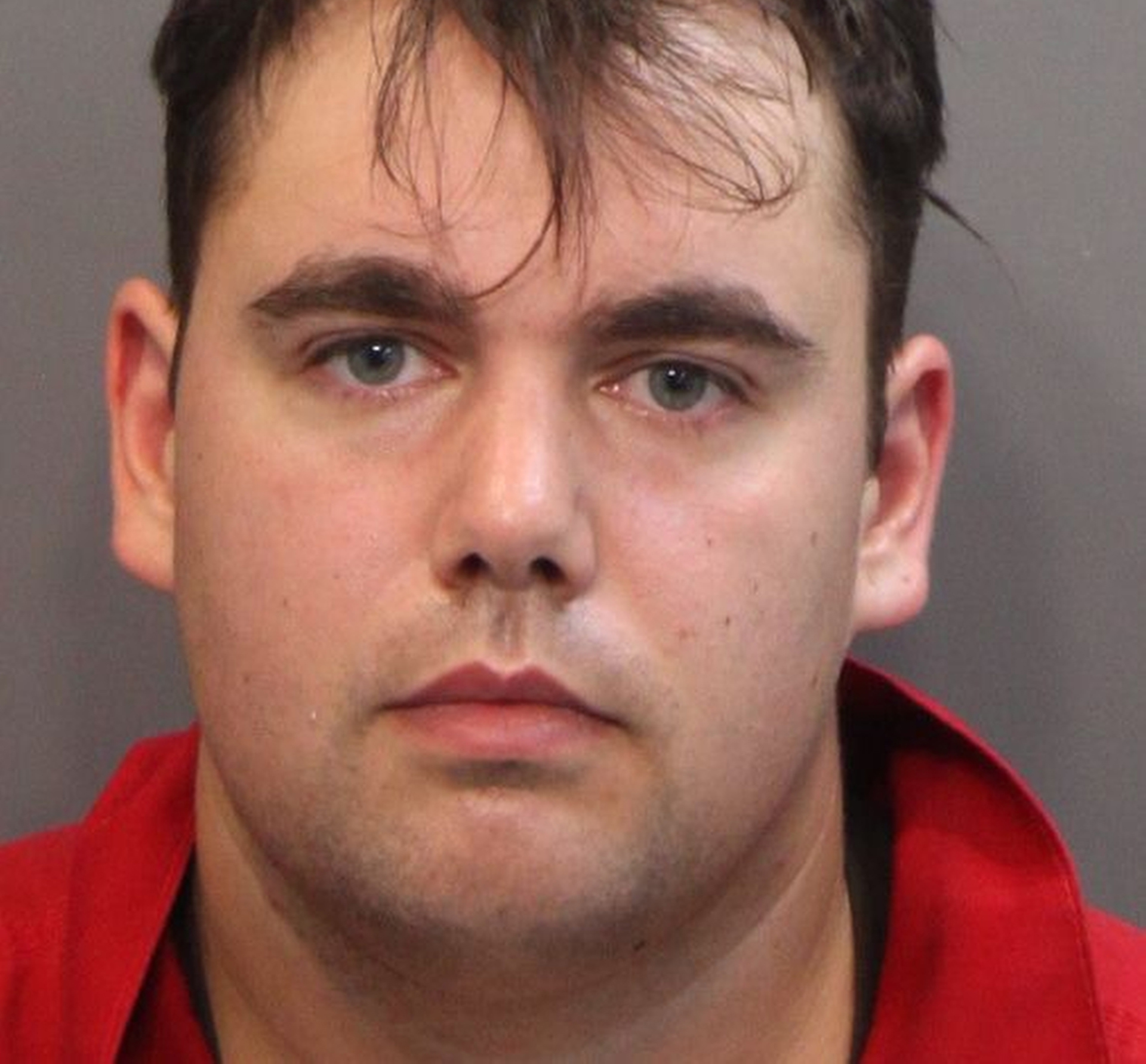
 Michael Skellenger
If a child is 3 years old or younger, it’s especially necessary to perform forensic interviews that get to the root of their sexual abuse allegations, a licensed clinical social worker testified Thursday in a Hamilton County rape trial.
“They’re associating, they’re accommodating, they’re taking in information, and they don’t know how to discern what’s real and not real,” said Nancy Aldridge, a psychotherapist who’s performed “several thousand” forensic interviews over a lengthy career working with victims of violence and sexual abuse.
A forensic interview is a detailed, open-ended conversation with a child to determine the legitimacy of any possible trauma he or she may have experienced. And, in the case of the 2-year-old allegedly raped by Michael Skellenger, a qualified professional didn’t complete a full interview, Skellenger’s defense attorneys continued to assert on the third day of trial.
For three days, prosecutor Leslie Longshore called a number of pediatricians, family members and law enforcement officials who detailed the steps of their investigation. After Longshore finished presenting her case Thursday, defense attorneys got the chance to challenge the state’s theory that Skellenger, 29, raped a 2-year-old child in summer 2014.
The victim, who is now 4 years old, will not be named by the Times Free Press in order to protect her identity.
“What’s the danger of someone questioning a child who is not qualified for forensic interviews?” attorney Jonathan Wilson asked Aldridge.
“It’s very dangerous,” Aldridge replied. “Even forensic interviewers have to be trained over and over again. If someone is not trained, they’re more likely to move into interview bias.”
For example, Aldridge said, if a child reported abuse and an adult interviewer became concerned and expressed anxiety, the child could pick up on that emotional distress.
Therefore, it’s very easy to accidentally “suggest” certain truths to children under 3, who process the world differently, Aldridge said.
“Children remember precisely what adults don’t,” she said. “You’ve probably seen children who fixate on rainbows or butterflies. They can remember precisely the colors whereas adults might just say, ‘Oh, that’s a yellow butterfly.'”
Wilson and his co-counsel have stressed this suggestability theory, saying a forensic interview would have cleared up any misconceptions. But as witnesses countered earlier this week, the Children’s Advocacy Center doesn’t perform forensic interviews on children under the age of 3.
During his cross-examination, Wilson focused on that point, asking Aldridge if age should have prevented investigators from arranging a forensic interview of the victim, who was 2 1/2 years old at the time.
“No, sir,” Aldridge answered. “If they made statements that were clear and articulate for their age to law enforcement, then that child should have been forensically interviewed.”
Around 5 p.m., Judge Tom Greenholtz dismissed jurors, who will return today for closing arguments at 9 a.m.
Contact staff writer Zack Peterson at zpeterson@timesfreepress.com or 423-757-6347. Follow on Twitter @zackpeterson918.