

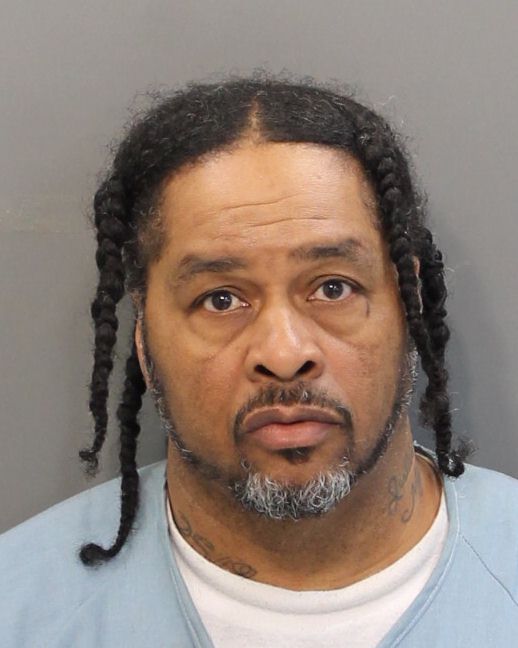
 Stephen LaJuan Beasley
A 53-year-old man serving a life sentence for a 1993 murder says he’s found new evidence that could’ve changed the outcome of his trial. And next week, after waiting roughly four years behind bars trying to arrange a hearing, he’ll get a chance to make his argument before a judge.
Stephen LaJuan Beasley, while serving a life-without-parole sentence in Tennessee prison for the first-degree murder of his ex-girlfriend, Ugandra Shibley, said he unearthed a Chattanooga police detective’s report in 2015 that prosecutors didn’t share with him more than two decades earlier. Beasley, who argued at trial that Shibley’s death resulted from a struggle over a weapon, said he received the report in 2015 through a public records request and noticed a few things.
First, Beasley says, it referenced a witness who gave information to police investigators that prosecutors later used at trial to argue that Beasley acted with premeditation and deliberation. Second, Beasley says, it contained forensic information about the crime scene that supported his argument that, instead, a struggle had taken place. Third, Beasley says, it may have shown that a witness who testified at trial may have committed perjury.
“I never found out until 2015 [about this report],” Beasley told Hamilton County Criminal Court Judge Don Poole at a status hearing Thursday. “I don’t want anybody to think I’m trying to beat a case. Like I said, I was part of this situation. The only thing I’ve been trying to get the courts to recognize is I didn’t commit this crime the way they said I did.”
Poole, who was not the original judge on this case, said he will hear further arguments on Thursday. This is not an appeal but rather a form of post-conviction relief known as a “writ of error coram nobis.” Beasley and his elbow counsel, Chattanooga attorney Josh Weiss, defined a writ of error coram nobis in court motions as “an exceedingly narrow remedy appropriate only when an issue was not addressed or could not have been addressed at trial because it was somehow hidden or unknown” and would have changed the overall outcome.
Weiss said Thursday he’s tried to subpoena about five witnesses on Beasley’s behalf for next week’s hearing, including the trial attorneys, a former medical examiner and one of Beasley’s former coworkers. But locating some witnesses years after the fact, properly serving them and getting them to court can be a challenge in post-conviction efforts. And Beasley faces opposition from Chattanooga prosecutors who have countered in motions this report is not “newly discovered evidence.”
In a motion, Executive Assistant District Attorney Cameron Williams also said there was other ample proof that jurors used to reach their decision that Beasley deliberately killed his ex-girlfriend: namely, that Beasley broke through multiple back doors and the fact that the murder weapon could not fire in “rapid succession as designed, but instead, had to be manually manipulated after each shot before the next shot could be fired.”
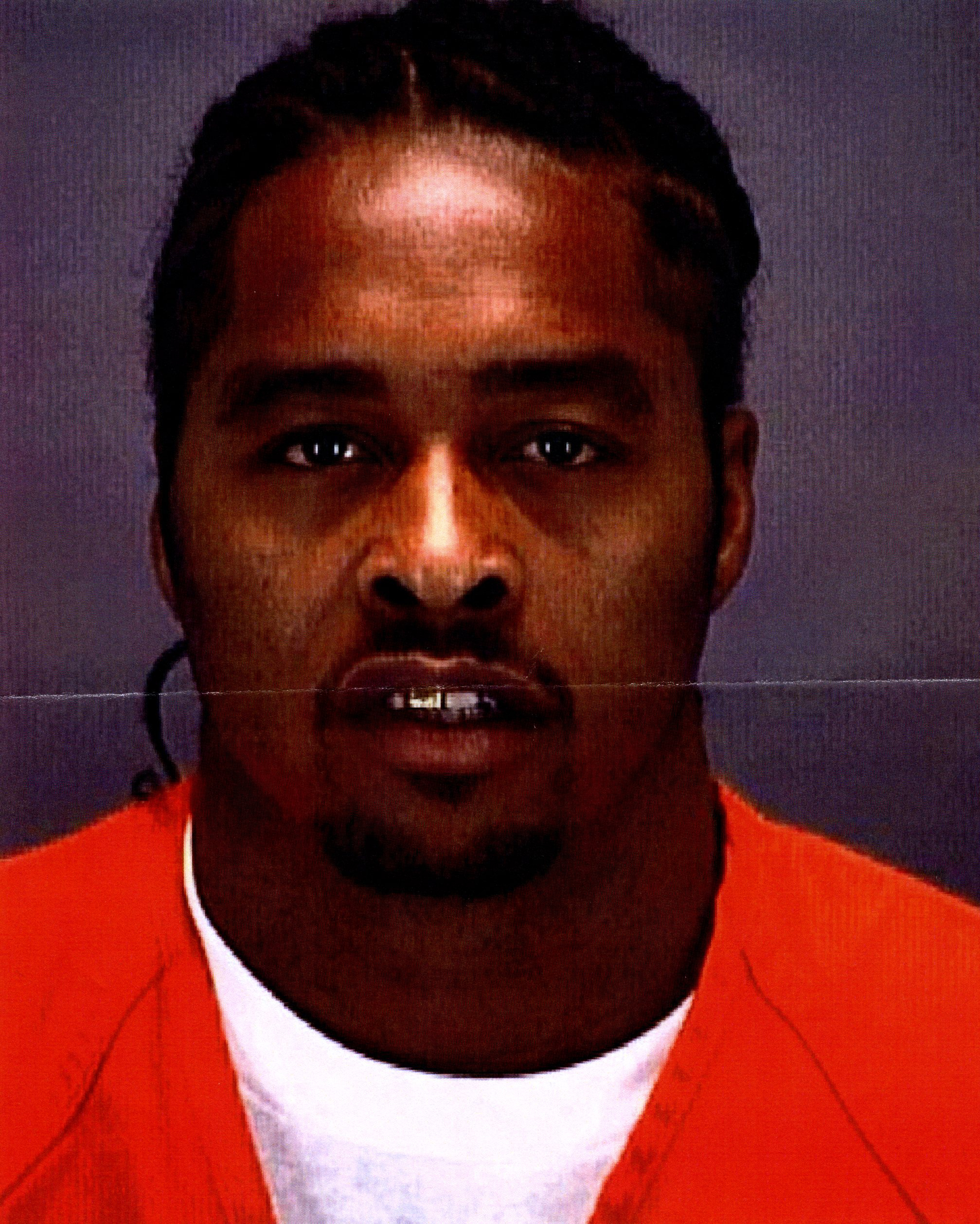 Stephen Beasley was convicted of first-degree murder in 1994 and is serving a life sentence without parole.
Beasley, however, says the evidence in the report is exculpatory, meaning evidence that is helpful to the defendant. He and Weiss say prosecutors had an obligation to turn it over. In the report, a Chattanooga detective references a neighbor that investigators spoke to around the time Beasley was arrested and charged with breaking into a home-turned-daycare on Bennett Avenue where his ex-girlfriend worked, cutting the phone cord, turning off the light and lying in wait until Shibley entered. Then, prosecutors said, Beasley cut her throat and stood over her as he shot her three times.
According to the report, the neighbor said she noticed the light in the back of the daycare “was not on as usual.” Beasley said he never knew about this witness but that prosecutors used the information at trial to support their ambush theory. A review of the trial transcript shows another witness who visited the crime scene, Barbara Moon, told Beasley’s defense attorney on cross that she thought “the hall light may have been on, because we normally left that on at all times.”
Beasley said other crime-scene evidence referenced in the detective’s report supported his argument of a struggle. Specifically, Beasley said, the report said investigators found hair and fibers from Beasley’s body in Shibley’s hands. It referenced scratches on Shibley’s wrist, Beasley said. And it also said responding officers moved Shibley’s body “from her back to her front,” which helped provide the prosecution with the argument that “he stood over the victim’s body when she was shot,” he and Weiss wrote in court motions. The trial transcript says the gun was not Beasley’s, but Shibley’s.
Weiss could not be reached for further comment Thursday. And Beasley, who has been incarcerated since 1993 in connection with the death, will remain in custody until he gets to argue his case next week.
Contact Zack Peterson at zpeterson@timesfreepress.com or 423-757-6347. Follow him on Twitter @zackpeterson918.