
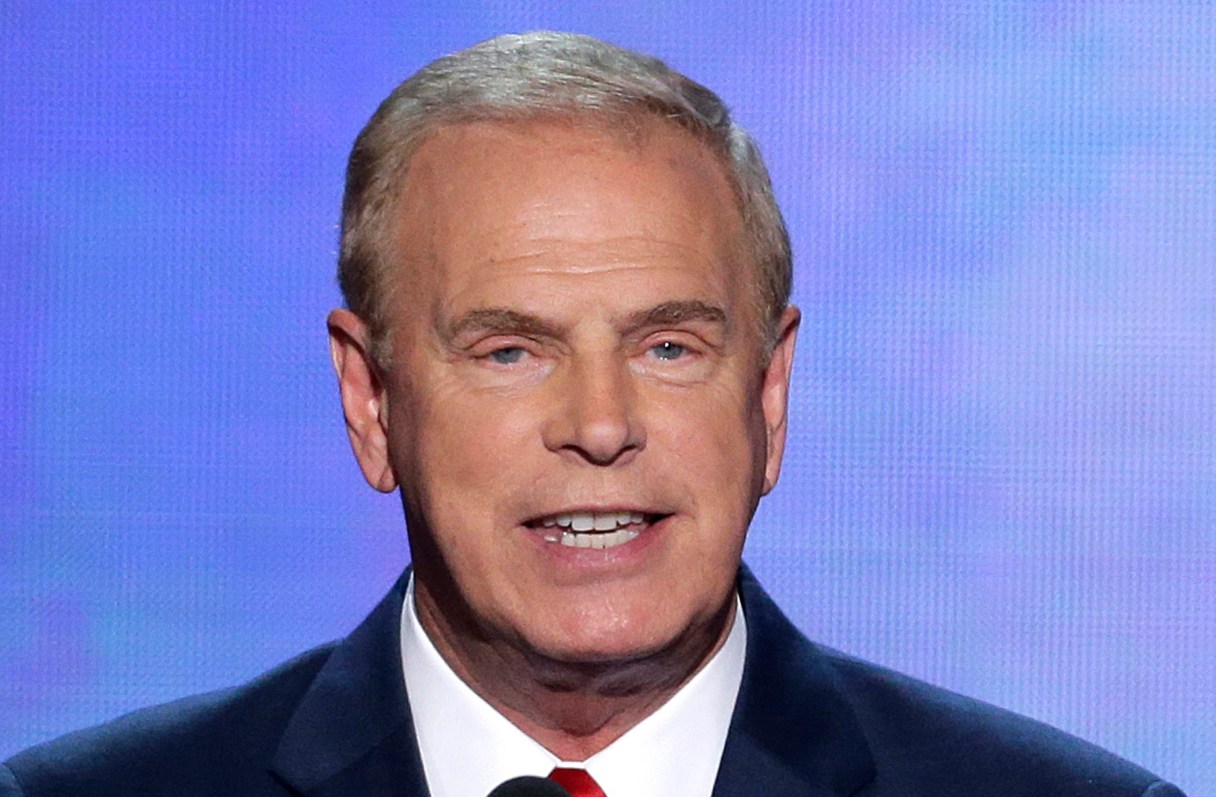
WASHINGTON (AP) – Americans for Prosperity, one of the biggest outside groups backed by billionaire conservative donors Charles and David Koch, this week begins a $1.4 million television advertising campaign against former Ohio Gov. Ted Strickland, now a leading Democratic candidate for Senate.
“We had such devastation and job loss in the state of Ohio when Ted Strickland was our governor,” a man identified as Bruce says in the 30-second spot, which will air in all of the state’s major media markets. “I’ve never seen him solve Ohio’s problems.”
The ad concludes with text on the screen saying: “Vote against Ted Strickland. He’s failed Ohio’s families.” Republican Sen. Rob Portman is up for re-election next year.
The anti-Strickland spot is a rare overtly political message from a group that typically refrains from express advocacy even as it encourages voters to back Republicans. Not since 2012 when it asked voters to reject President Barack Obama has Americans for Prosperity made this kind of ballot-box appeal.
That’s because as a nonprofit advocacy group, it is limited in how much purely political work it can do. In exchange, it can keep its donors private. The difference in messaging can be slight – and lost on viewers.