
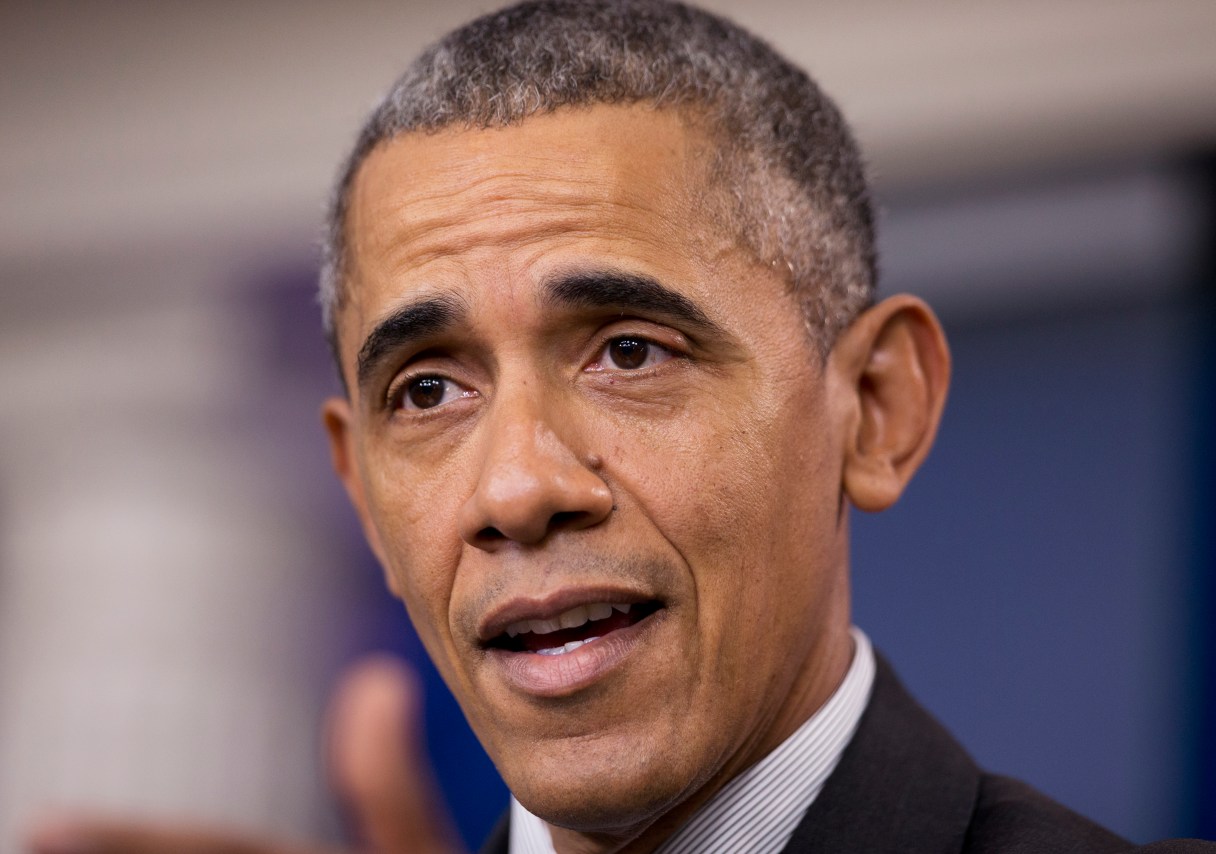
WASHINGTON (AP) – President Barack Obama sets out this week on his first in a series of international farewell tours, a sometimes wistful tradition for presidents in legacy mode. But in a reminder of this president’s uneven ties to allies, Obama’s first stop will involve more damage control than nostalgia, more friction than fondness.
When Obama lands in Riyadh on Wednesday for a Persian Gulf summit, he’ll be met by leaders roiled by his recent public complaints about global “free riders” and harboring deep distrust of his dealings with Iran and his posture in Syria. Before heading on to what will likely be valedictory visits to Great Britain and Germany, the White House will be tasked with providing some measure of reassurance to a set of allies that remain critical of U.S. counterterrorism goals – even as they increasingly look to his successor.
“I think the trip is to reassure Arab allies that the United States is there for the long run and not cutting and running,” said David Ottaway, a Middle East expert at the Wilson Center, a Washington think tank.
Obama has appeared to be more in the mood for frank talk than handholding.
In an interview published in the Atlantic magazine this month, the president broadly blasted allies who don’t pull their weight and too often look to the U.S. to provide security. Even more eyebrow-raising in Riyadh, the president argued that the Saudis and Iran “need to find an effective way to share the neighborhood and institute some sort of cold peace” – an insult to the Saudis who view Tehran as a bitter, destabilizing foe.