
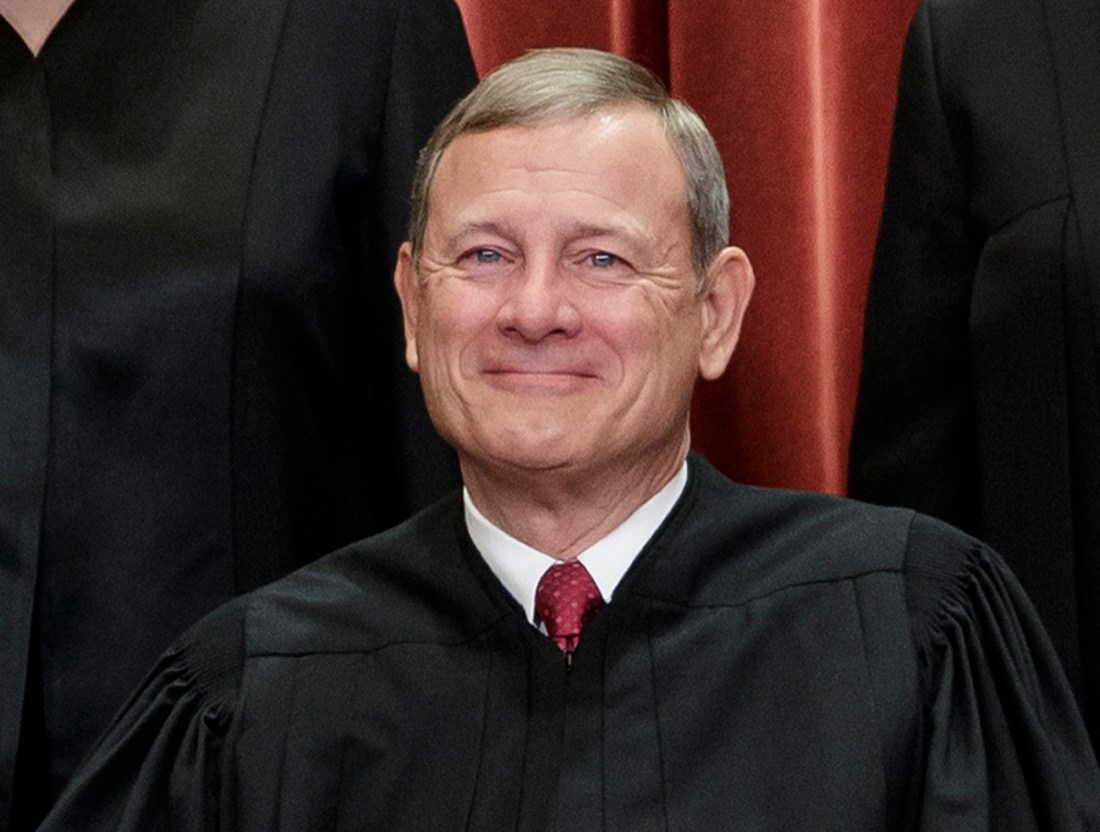
WASHINGTON (AP) – Just hours after Chief Justice John Roberts handed Republicans a huge victory that protects even the most extreme partisan electoral districts from federal court challenge, critics blasted him as worthy of being impeached, a politician who should run for office and a traitor.
But the attacks came from President Donald Trump’s allies and their anger was directed not at the Supreme Court’s partisan gerrymandering ruling, but at the day’s other big decision to keep a citizenship question off the 2020 census, at least for now. Trump tweeted from Japan that the census citizenship decision was “ridiculous.”
What good is a high court conservative majority fortified by two Trump appointees, the critics seemed to be saying, if Roberts is not prepared to use it?
That’s not how Roberts would characterize the court he now leads in name and as the justice closest to the center of a group otherwise divided between conservatives and liberals. He has talked repeatedly about the need to counter perceptions that the justices are just politicians in black robes, beholden to the president who appointed them.
The flurry of action came at the end of a Supreme Court term in which the court welcomed a new justice, Brett Kavanaugh, who narrowly survived the most tumultuous confirmation hearings in nearly 30 years. The justices now begin a three-month summer recess.