
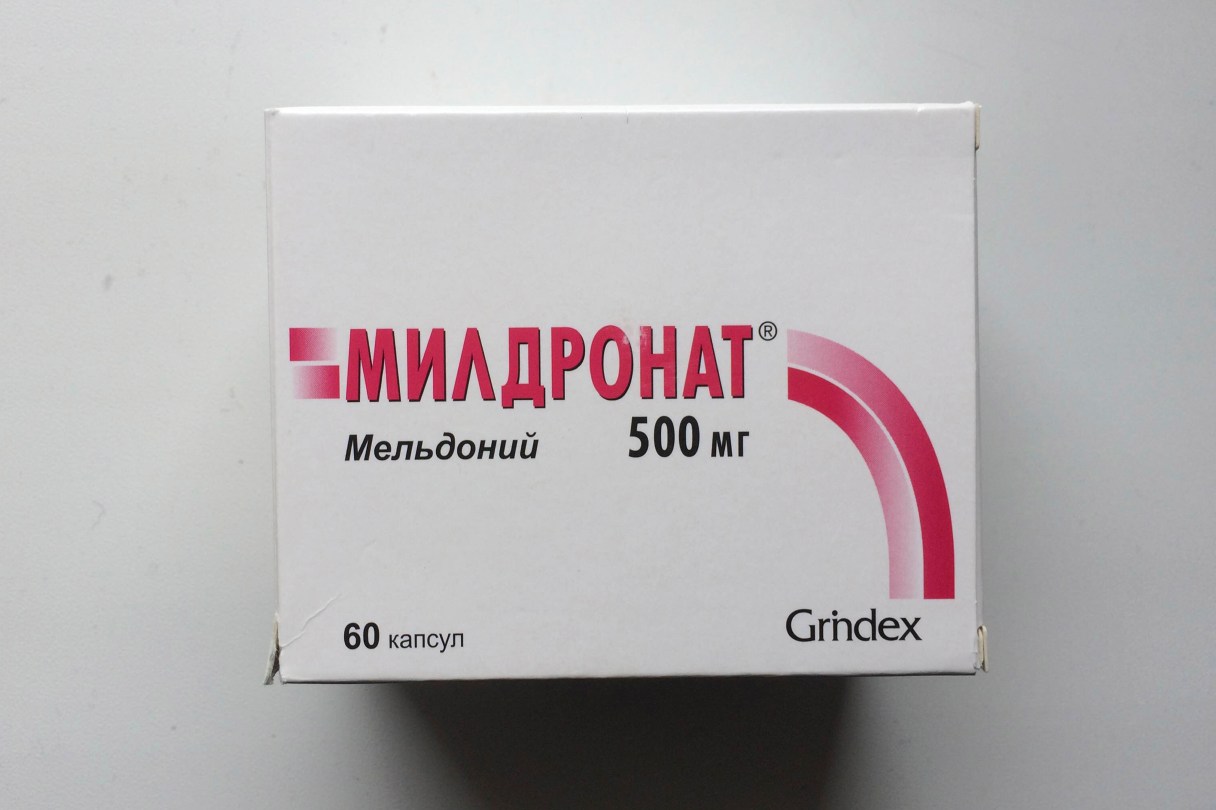
RIGA, Latvia (AP) – Meldonium doesn’t enhance the performance of athletes, the Latvian scientist who invented the drug at the center of Maria Sharapova’s doping case told The Associated Press.
Ivars Kalvins said that the drug “is not doping,” but added it does protect athletes against heart damage during extreme physical exercise.
If the heart is working very hard, the drug “protects the heart cells … against ischemia,” a blood circulation condition, Kalvins said. “This is not the same as increase of performance.”
Meldonium, a heart medicine that improves blood flow, was banned by the World Anti-Doping Agency on Jan. 1. WADA says it was prohibited “because of evidence of its use by athletes with the intention of enhancing performance.”
Sharapova, a five-time Grand Slam champion, admitted she failed a doping test at the Australian Open in January for meldonium, which she said she had been using for 10 years for various medical issues.