
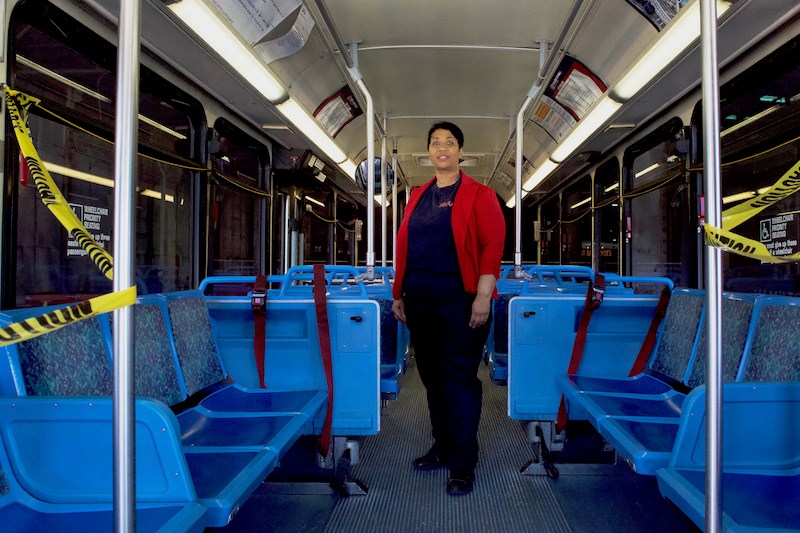
Lakecha Strickland takes people to work. She takes them to visit loved ones. She picks them up hours before the sun rises, making the left turn on Orchard Knob Avenue or at the stop near TVA.
But in the span of a few short weeks, the city Strickland has driven through for more than two decades has changed. Businesses are shut down. Thousands of people are working from home or were laid off. Restaurants and bars are closed to the public. The city government, and dozens of other groups, are no longer meeting face to face.
Strickland would make small talk or wonder about where each rider was going in previous times. But the final weeks of March delivered something new for the bus driver to consider on each stop: the risk of coronavirus exposure.
“Every day, it’s running through my mind, ‘Am I going to come in contact with that virus and take it home and expose my family?'” she said.
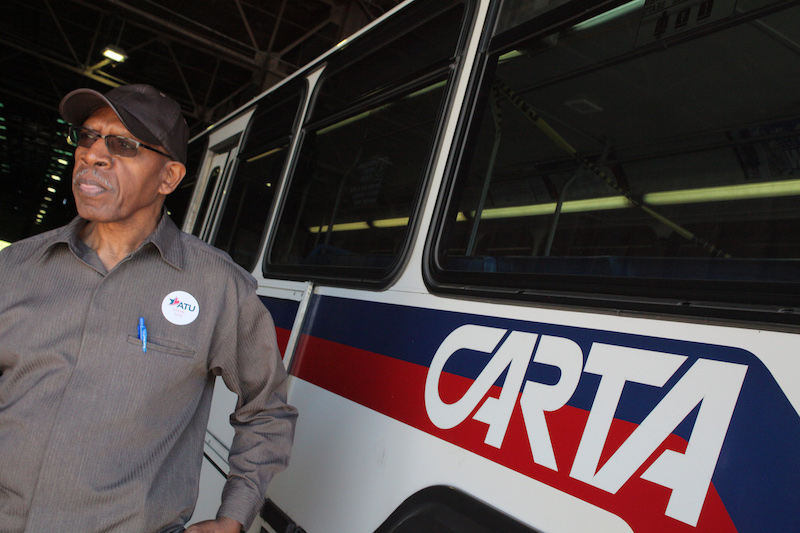
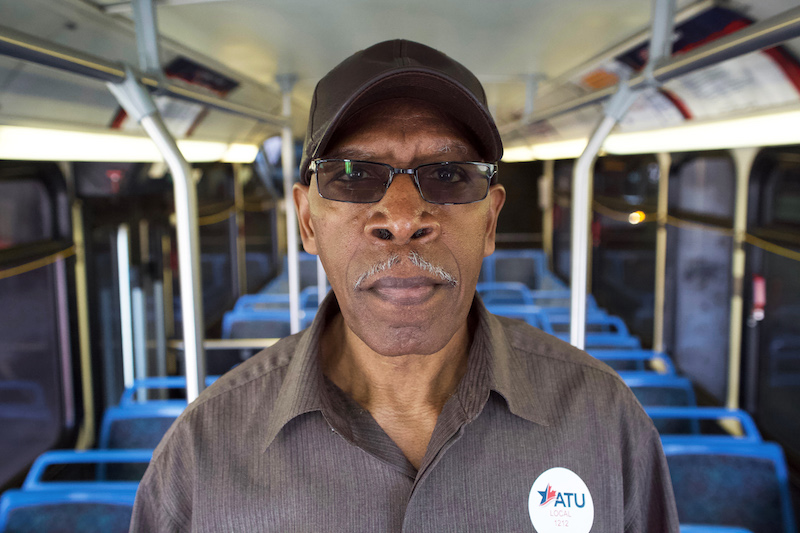
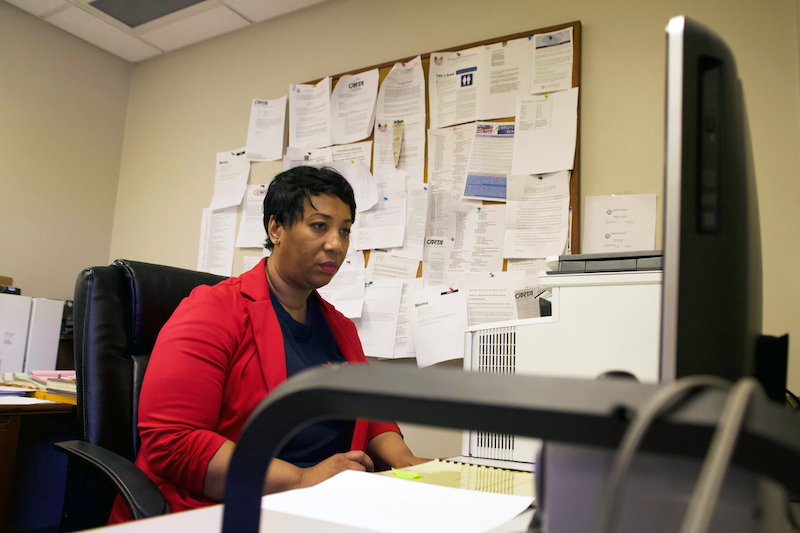
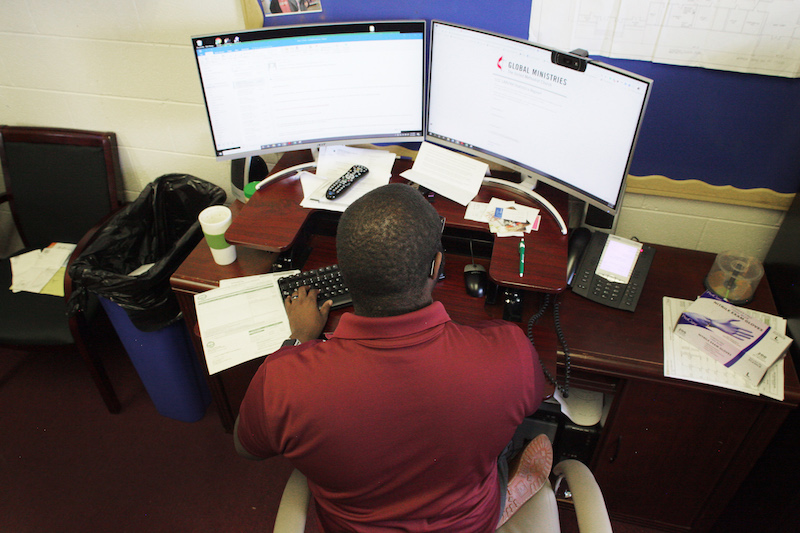
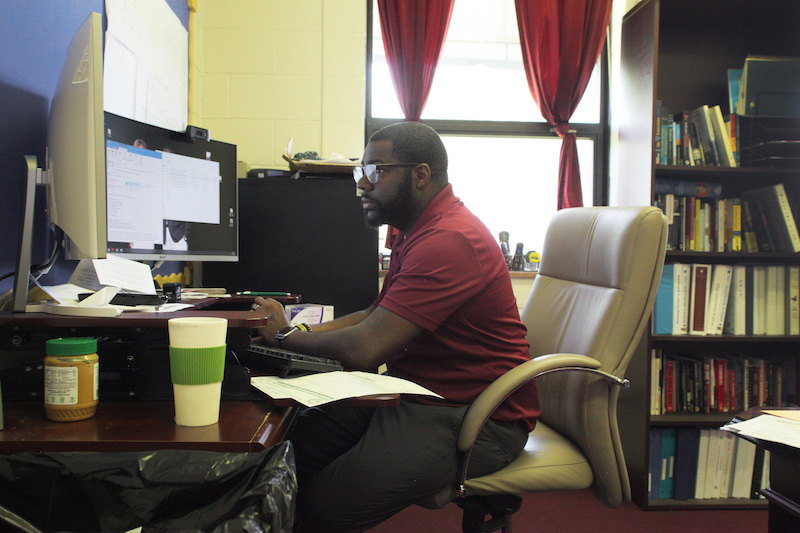
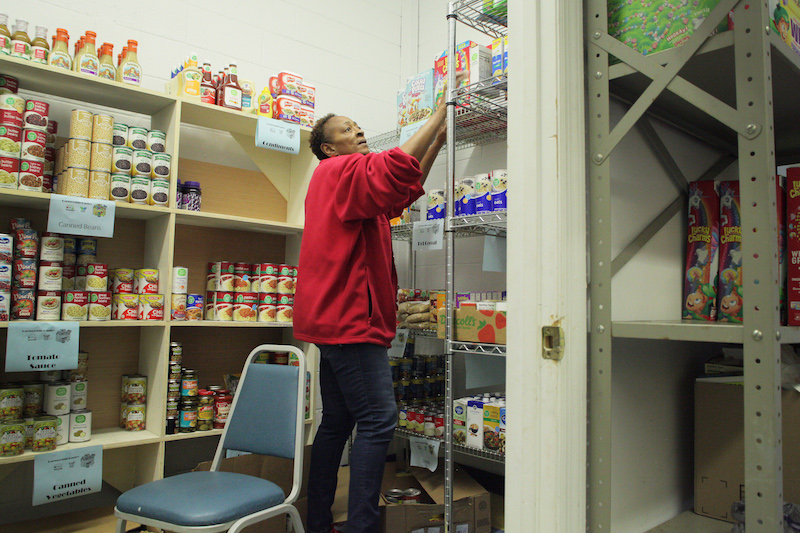
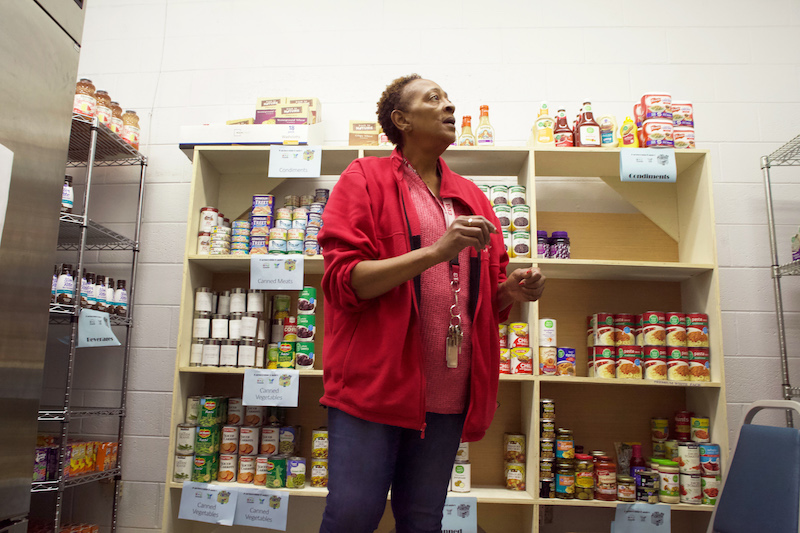
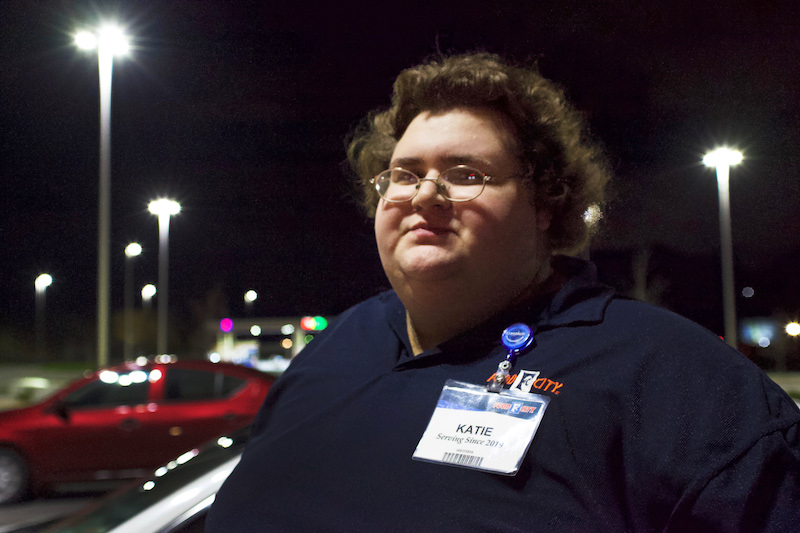
Where the Southeast had previously been divided by political, socioeconomic or racial lines, the coronavirus has created another gap – between those who have the ability to self-isolate and work from home and those who do not have that option.