
Q. My neighborhood wishes to help those impacted by the tornado destruction in Alabama. How do we target our support to those victims and what other recommendations may the Better Business Bureau provide?
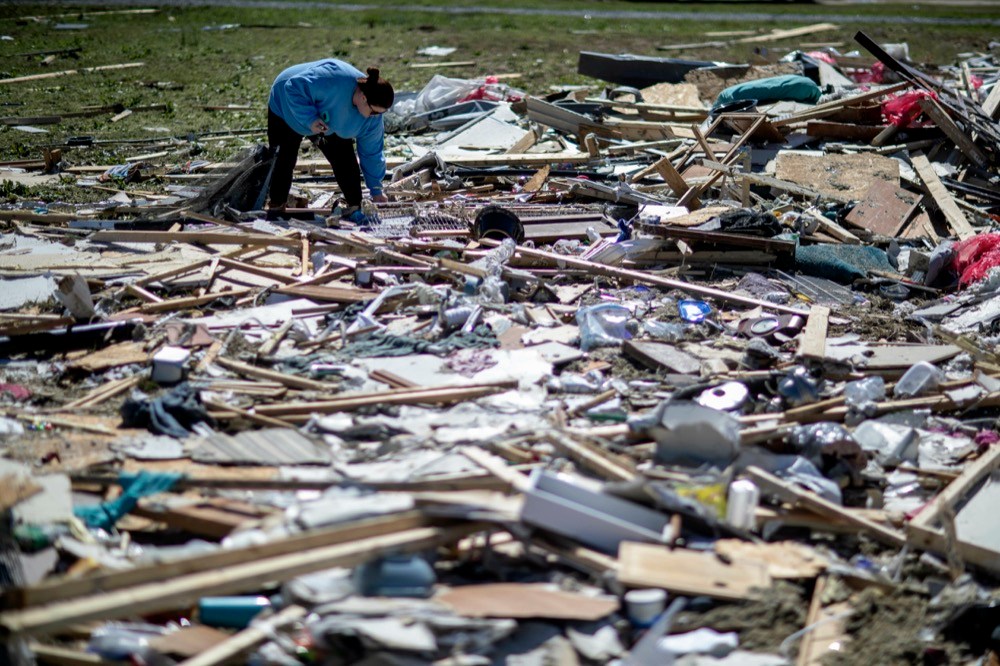
A. Destructive storms never cease to amaze and alarm us – the ability to flatten a house to rubble in minutes is still hard to believe each time we hear of it. The tornadoes that hit southern Alabama and parts of Florida, Georgia and South Carolina this week inflicted severe damage in their path. The most devastating Alabama areas impacted, in Lee County, Smith’s Station and Beauregard, resulted in a reported 23 deaths. As disaster relief organizations begin to solicit and other charities seek to help, BBB Wise Giving Alliance encourages donors to review our Disaster Relief Donation Tips page, www.give.org/fordonors and also keep the following basic points in mind.
1. Donate to experienced relief organizations. These groups are the best bet to help provide quick and effective assistance to those impacted by the storm. Be cautious about newly established groups and/or those that are vague about what type of help they intend to provide. While local charities and churches can also play an important role, make sure they have plans in place to be able to follow through on their good intentions.
2. Crowdfunding cautions. After every natural disaster, we quickly see postings for help on crowdfunding sites. If you decide to contribute via crowdfunding, it is safest to give to individuals who you personally know that have posted requests for assistance. While there are places such as Give.org that help vet charities, it is difficult to vet individuals. And remember to check the terms and conditions of the platform to learn how your donation will be affected.
3. Seek out BBB Accredited Charities. To help verify charity trustworthiness, visit Give.org to access reports that indicate if the relief organization meets the 20 BBB Standards for Charity Accountability.
BBB Accredited Charities are welcoming donations to help the areas impacted by these tornadoes including the American Red Cross, Salvation Army and the United Way of Central Alabama.
The following are other Disaster Relief Donation Tips:
* Be cautious about online giving, especially in response to spam messages and emails that claim to link to a relief organization. If you want to give to a charity involved in relief efforts, go directly to the charity’s Web site.
* Be cautious when relying on third-party recommendations such as bloggers or other Web sites, as they may not have fully researched the relief organizations they list. The public can go to www.give.org to research charities and relief organizations and verify that they are accredited by the BBB and meet the 20 Standards for Charity Accountability.
* Keep in mind that some crowdfunding sites do very little vetting of individuals who decide to post for assistance after a disaster, and it is often difficult for donors to verify the trustworthiness of crowdfunding requests for support. If you decide to contribute via crowdfunding or GoFundMe, it is probably best to give to people who you personally know that have posted requests for assistance. For more Give.org tips on crowdfunding, check out this Wise Giving Wednesday post.
* Be wary of claims that 100 percent of donations will assist relief victims. Despite what an organization might claim, charities have fund raising and administrative costs. Even a credit card donation will involve, at a minimum, a processing fee. If a charity claim’s 100 percent of collected funds will be assisting tornado victims, the truth is that the organization is still probably incurring fund raising and administrative expenses. It may use some of its other funds to pay these costs, but the expenses will still be incurred.
* Find out if the charity has an on-the-ground presence in the impacted areas. Unless the charity already has staff in the affected areas, it may be difficult to bring in new aid workers to provide assistance quickly. Notably the American Red Cross and Salvation Army are large charities who are positioned to respond quickly. See if the charity’s Web site clearly describes what the charity can do to address immediate needs.
* Find out if the charity is providing direct aid or raising money for other groups. Some charities may be raising money to pass along to relief organizations. If so, you may want to consider “avoiding the middleman” and giving directly to those that have a presence in the region. Or, at a minimum, check out the ultimate recipients of these donations to see whether they are equipped to provide aid effectively.
In-kind drives for food and clothing, while well intentioned, may not necessarily be the quickest way to help those in need – unless the organization has the staff and infrastructure to distribute such aid properly. Ask the charity about its transportation and distribution plans. Be wary of those who are not experienced in disaster relief assistance.
BBB encourages all to donate and support this tragic event. However, do so wisely, choose a charity or support organization that is positioned to provide immediate support and services. You may visit www.give.org for other tips on supporting disaster relief.
Jim Winsett is president of the Better Business Bureau in Chattanooga