
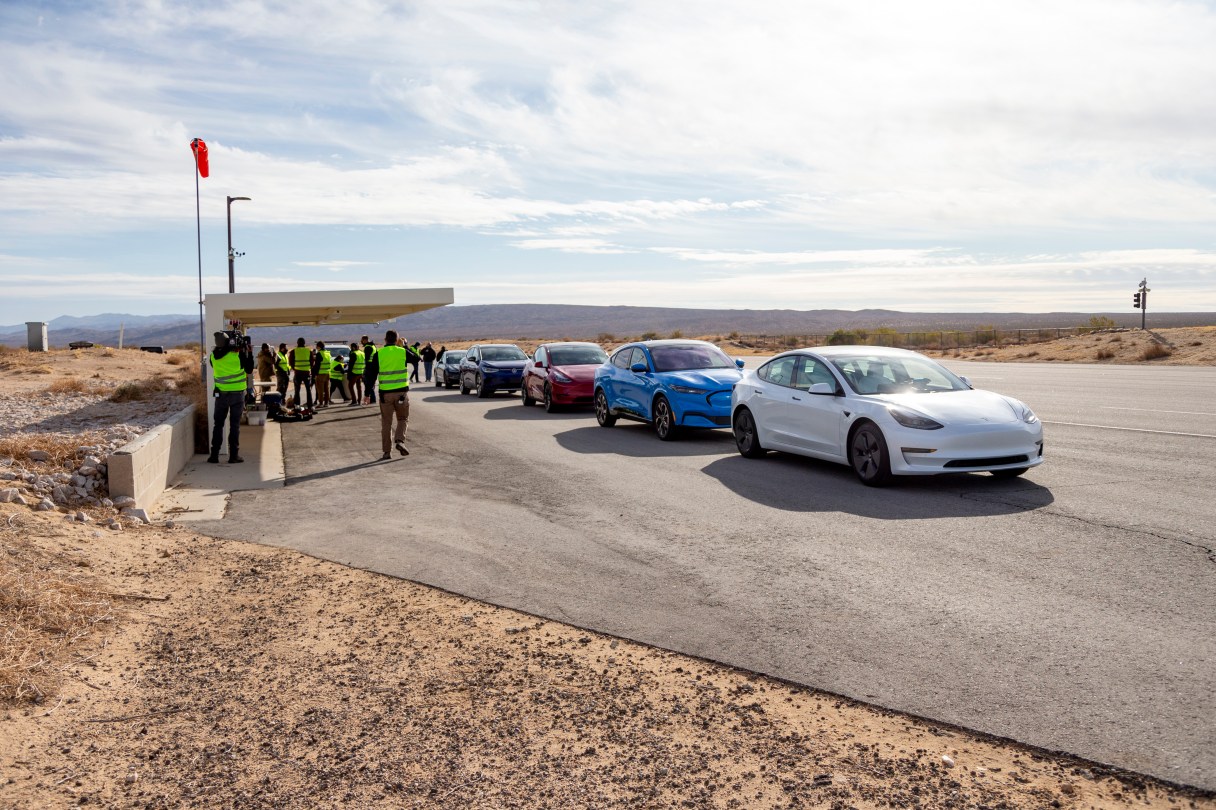
Edmunds’ test team recently published the results of its real-world range testing for electric vehicles. Notably, every Tesla the team tested in 2020 came up short of matching the EPA’s range estimate. Almost all other EVs Edmunds tested met or exceeded those estimates.
That result, as you can likely guess, ruffled some feathers at Tesla headquarters.
A CHALLENGE FROM TESLA
The lackluster results prompted the automaker to reach out to the Edmunds test team. Tesla’s engineers disputed our figures and argued that by stopping our EV range tests at zero indicated miles, rather than pressing on until the battery died, we were underestimating their vehicles’ true range.
Tesla said its vehicles have a safety buffer that ensures drivers can keep going even when the indicated range displayed zero miles. And when you factored in this buffer, Tesla argued, it would allow their vehicles to match the EPA range estimates, which are typically measured when the battery is fully depleted.