
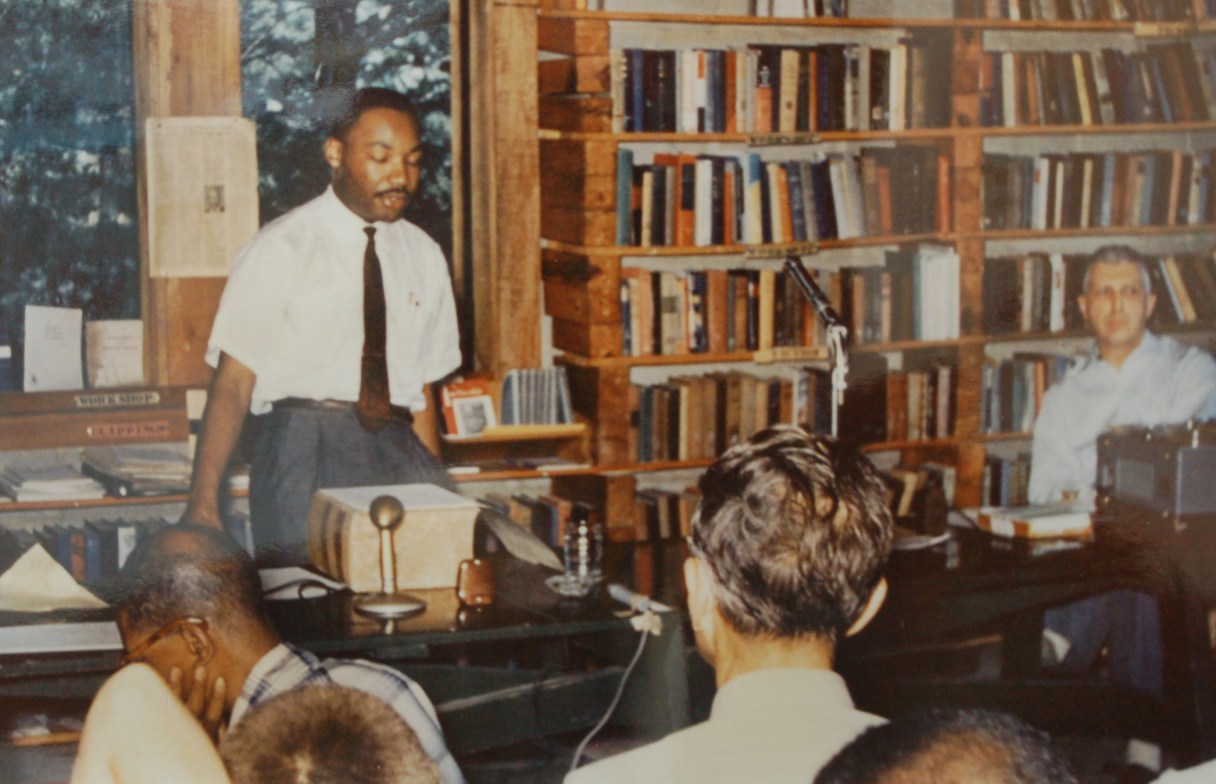

A Chattanooga-based nonprofit devoted to preserving architectural heritage has acquired its first out-of-town preservation easement, protecting the iconic library at the site of the Highlander Folk School in Monteagle, Tennessee.
Preserve Chattanooga has permanently protected the library building through a preservation easement to ensure one of the nation’s most significant sites connected to the American civil rights and labor movements will be preserved for future generations, according to Todd Morgan, executive director of the nonprofit.
The Highlander Folk Library is part of the historic school campus in Monteagle where labor organizers, educators, civil rights leaders and grassroots activists gathered to exchange ideas, build leadership skills and develop strategies for social change, Preserve Chattanooga officials said in a press release. During its heyday, the building welcomed many of the movement’s most influential figures.
(READ MORE: Opinion: Highlander Folk School: Education and controversy have been its hallmarks)
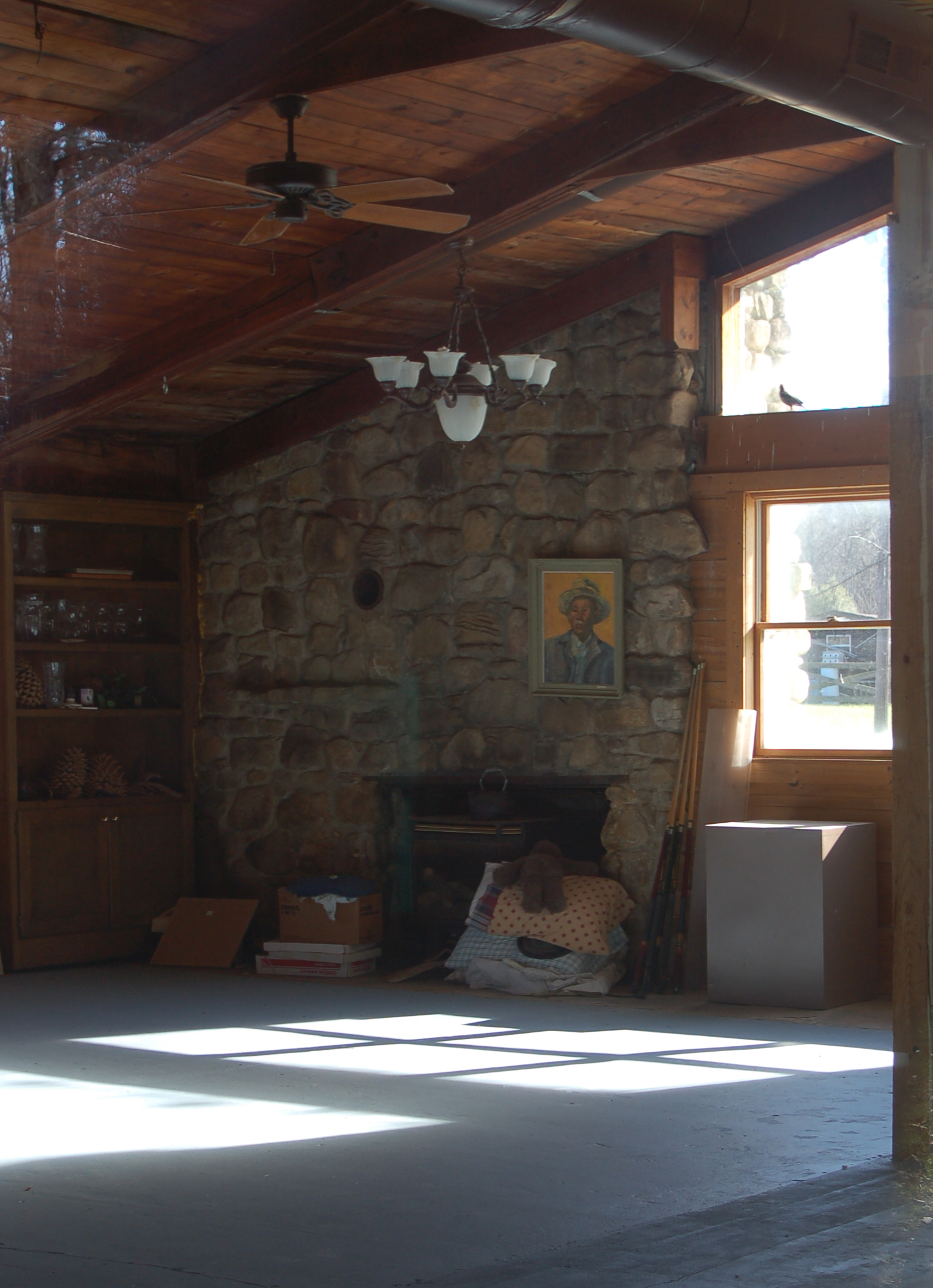
It is where Dr. Martin Luther King Jr. and Rosa Parks are believed to have first heard folk singer Pete Seeger sing “We Shall Overcome,” in the school’s tiny, rustic library in 1954, at the time when the first civil rights workshops were being held for activists who built the foundation of a movement that would shake the world.
“So often there are places associated with the Civil Rights Movement or underrepresented segments of our population that haven’t really been brought to people’s full attention historically, and this is an opportunity to do that,” Morgan said Monday by phone. “Here’s this building that sits quietly near Monteagle, but it has this very engaging, deep story to tell about that moment in time in this country. And it’s an inspiring story. You know, it’s something that we can look to that can help others as they aspire to help improve their own situations.”
Preserve Chattanooga acquires preservation easement for Monteagle’s iconic Highlander Folk School
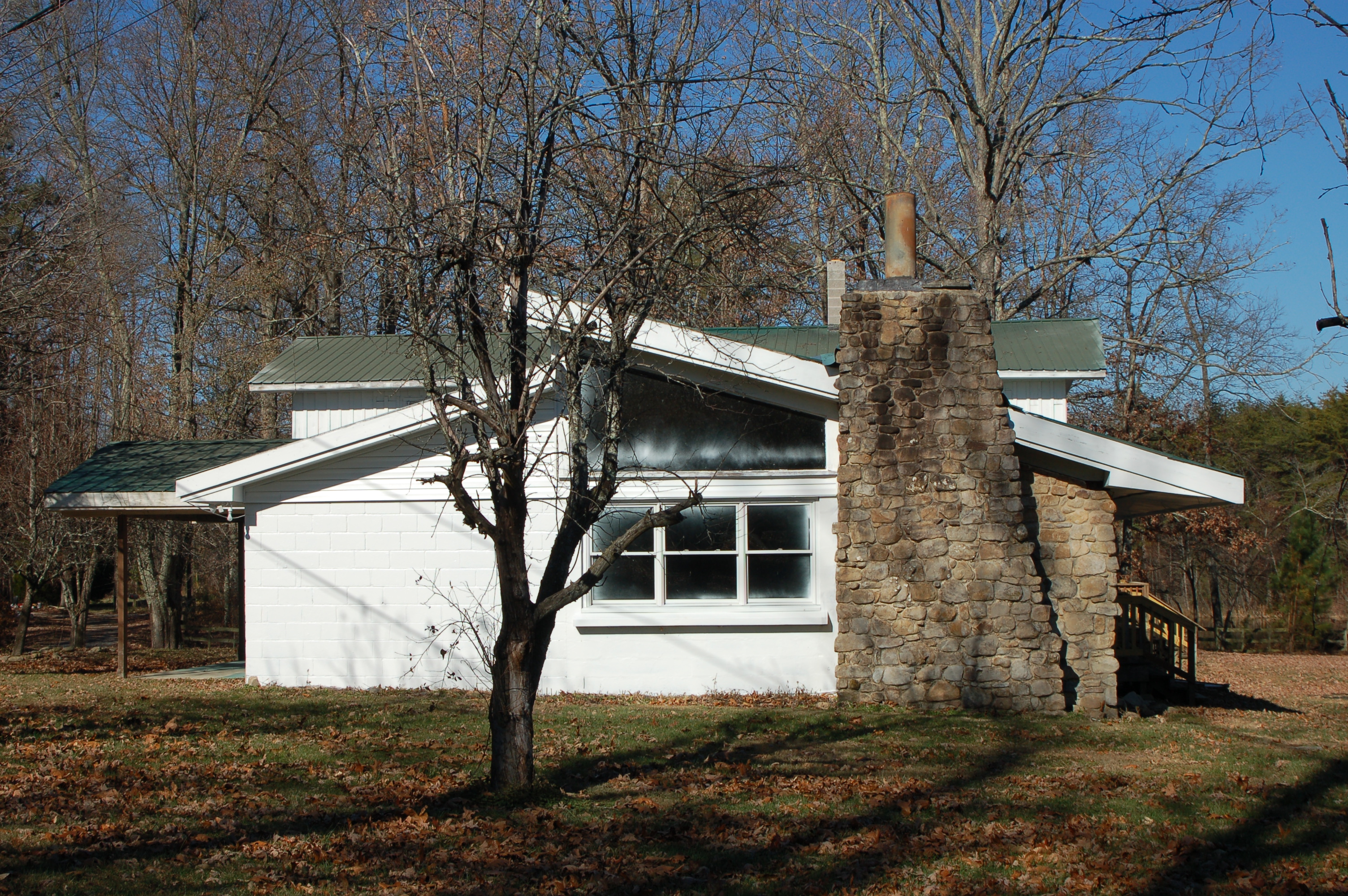
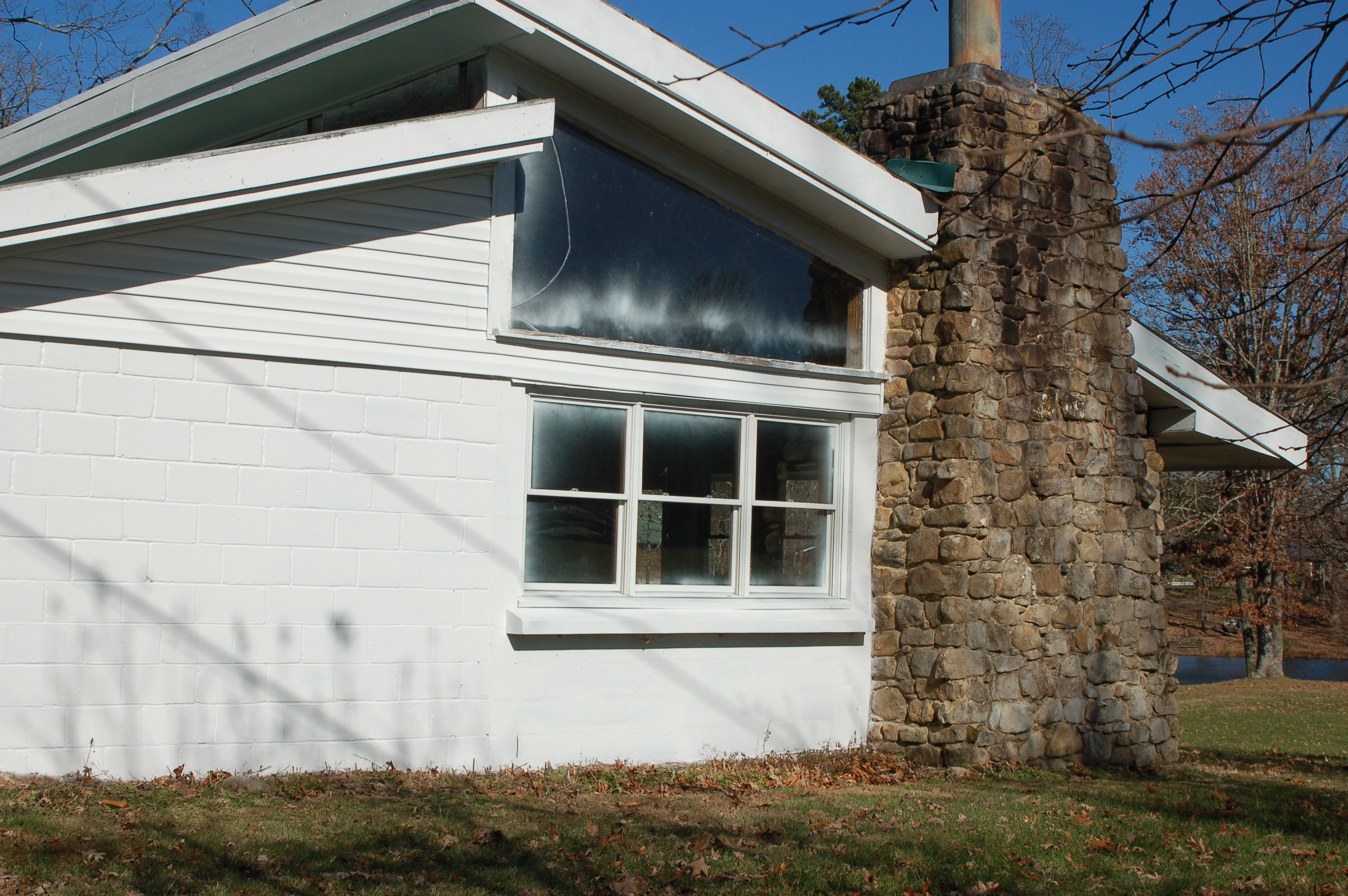
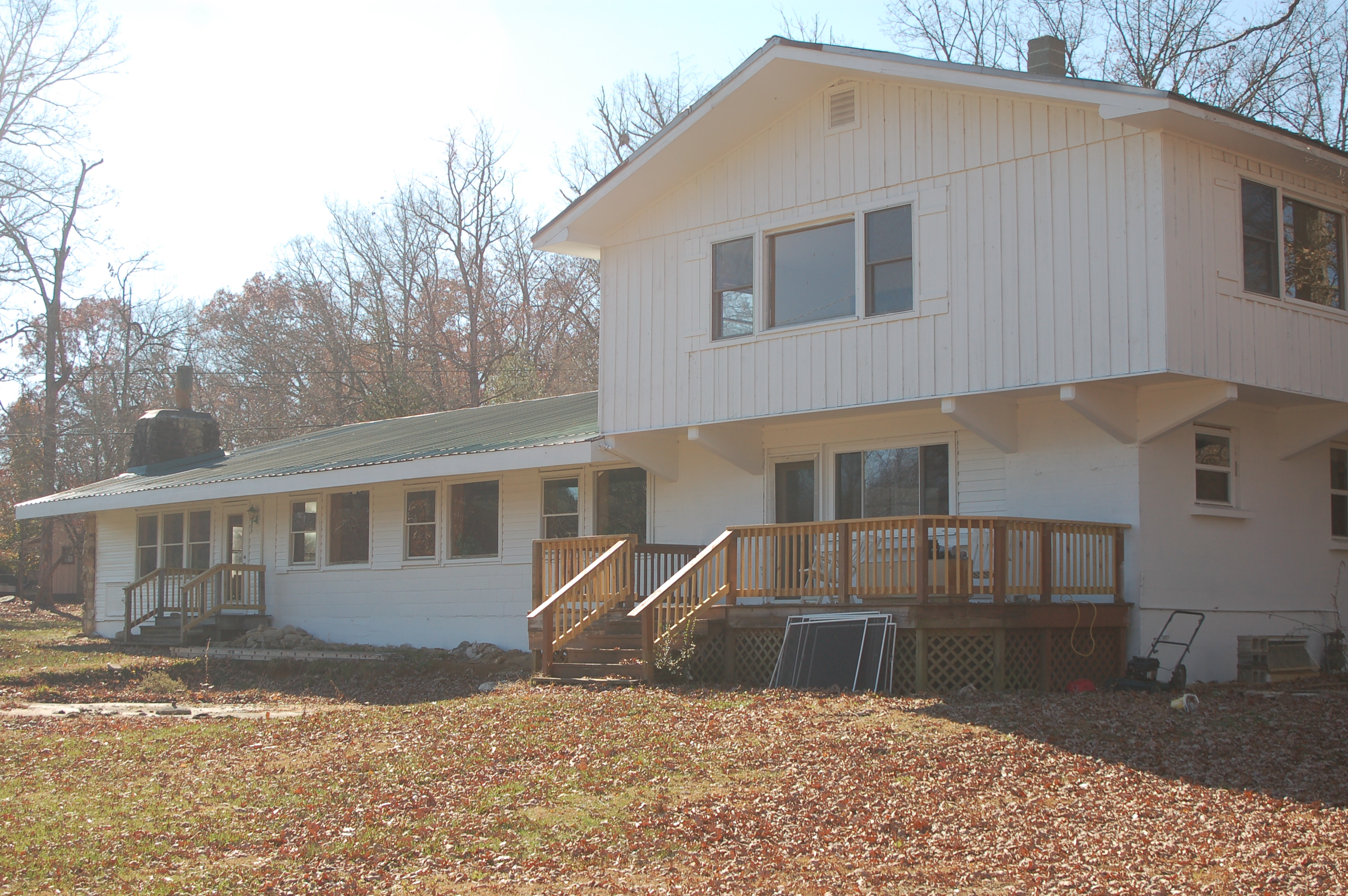


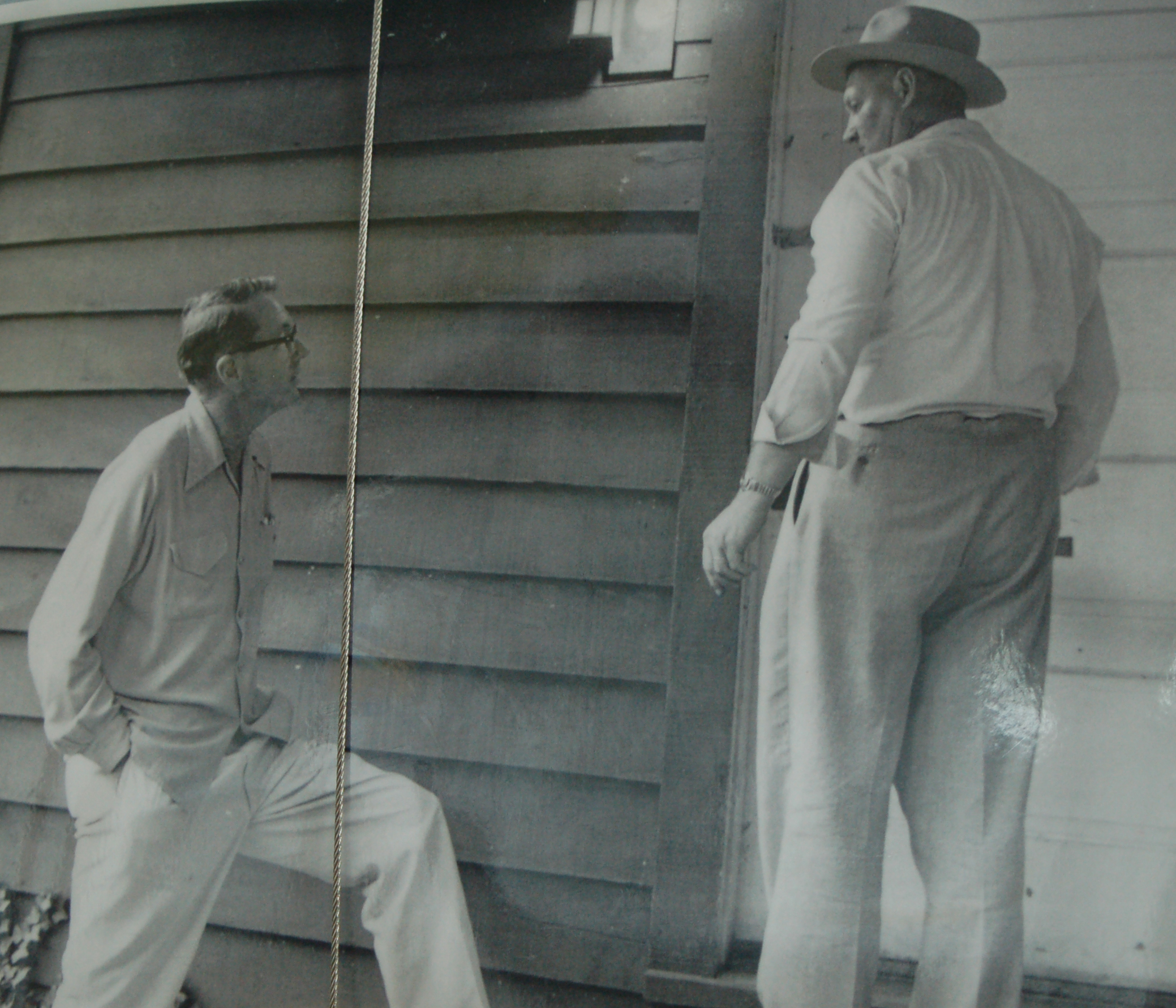
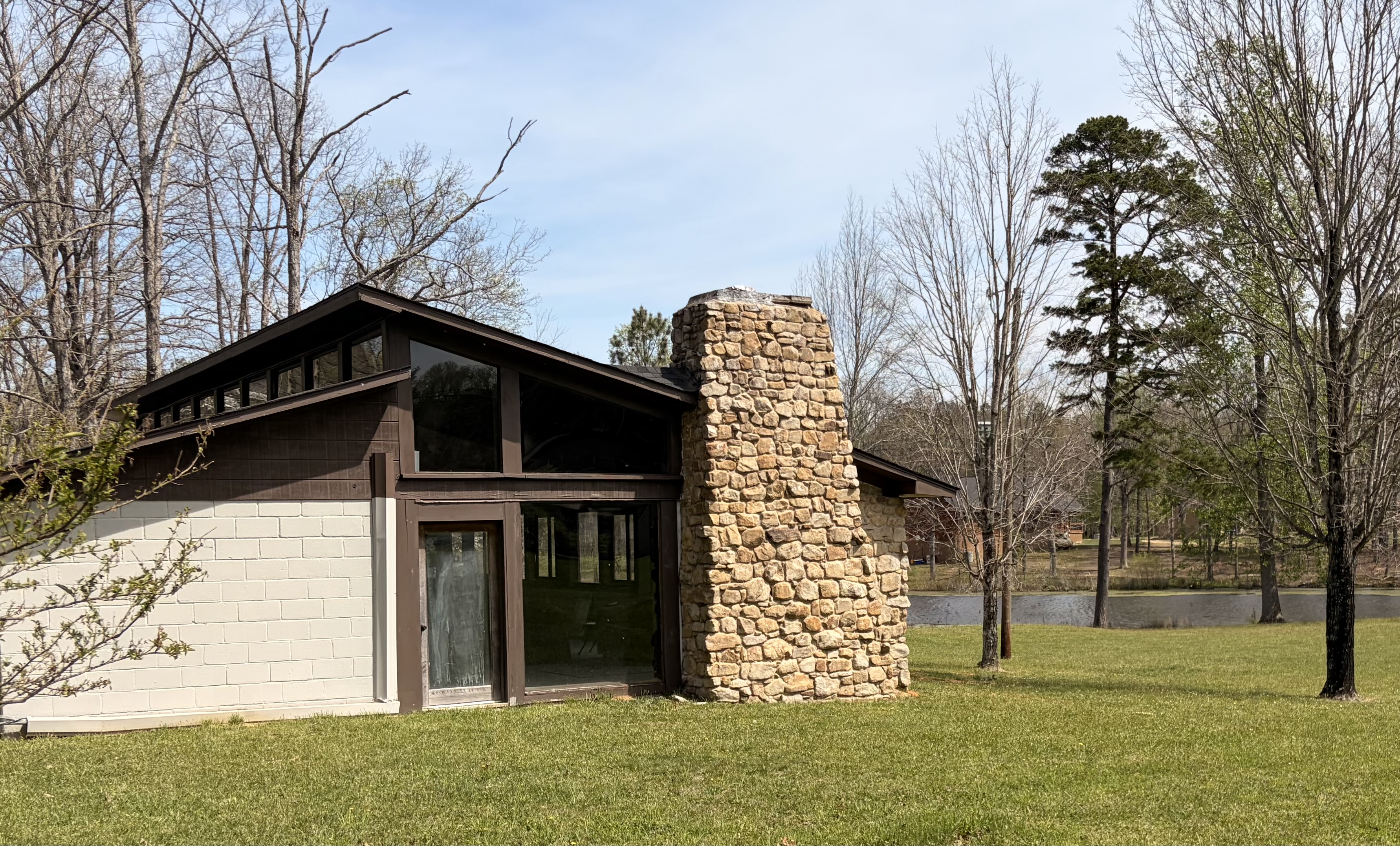
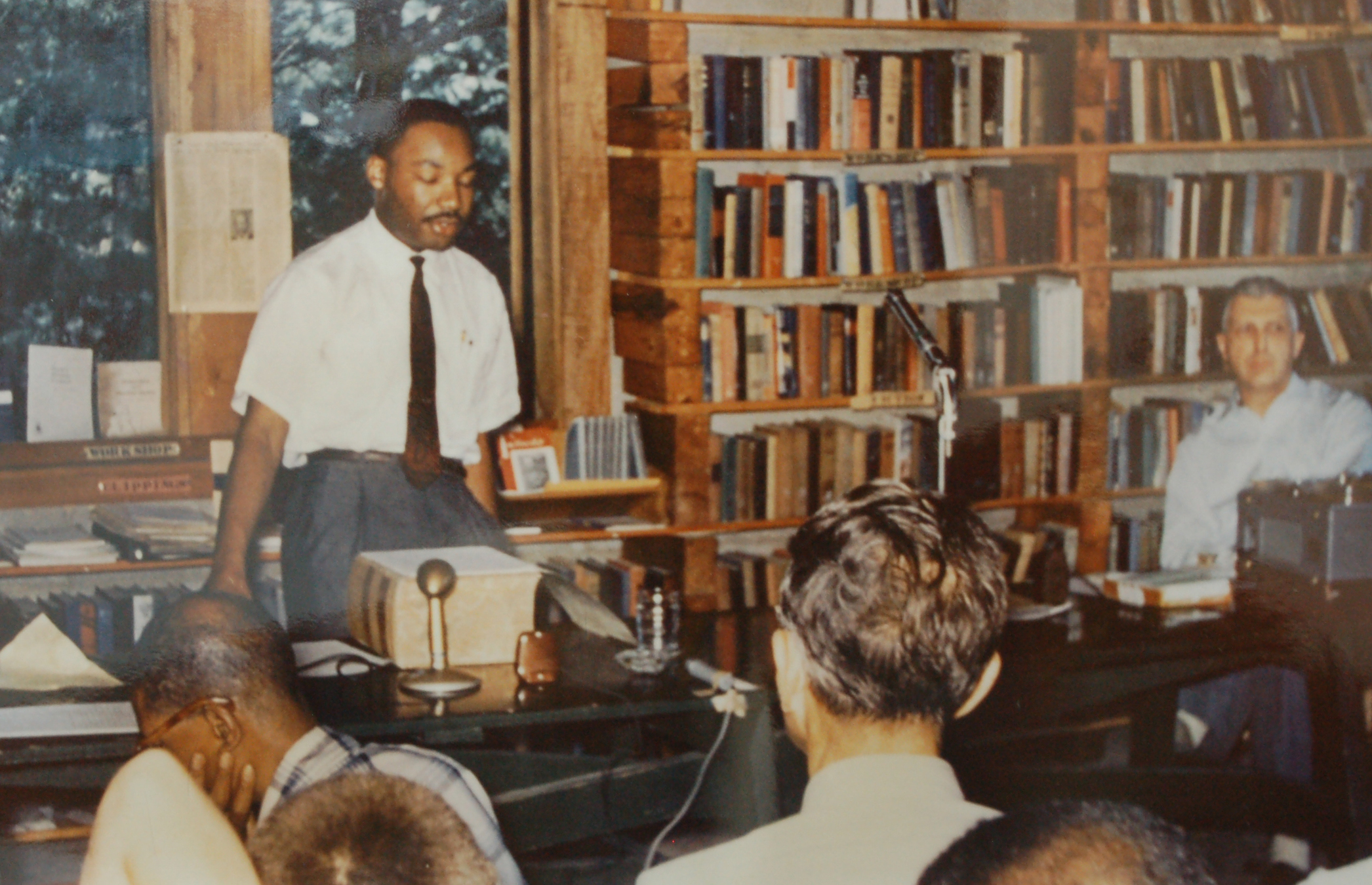
HIGHLANDER FOLK LIBRARY
Constructed in 1949, the Highlander Folk School Library was once one of many buildings on the Highlander Folk School campus situated around Highlander Lake, according to Preserve Chattanooga.
Most buildings were destroyed or altered drastically after the school was forcibly closed in 1961. The Tennessee Preservation Trust spent seven years restoring the library building, which was designed by Boston architect Carl Koch and constructed by local labor, including those attending school sessions who had no prior construction skills.
The site is owned by the Highlander Research and Education Center, and the library building is preserved through the nonprofit’s easement.
(READ MORE: Monteagle’s storied Highlander Folk School deemed ‘endangered’)
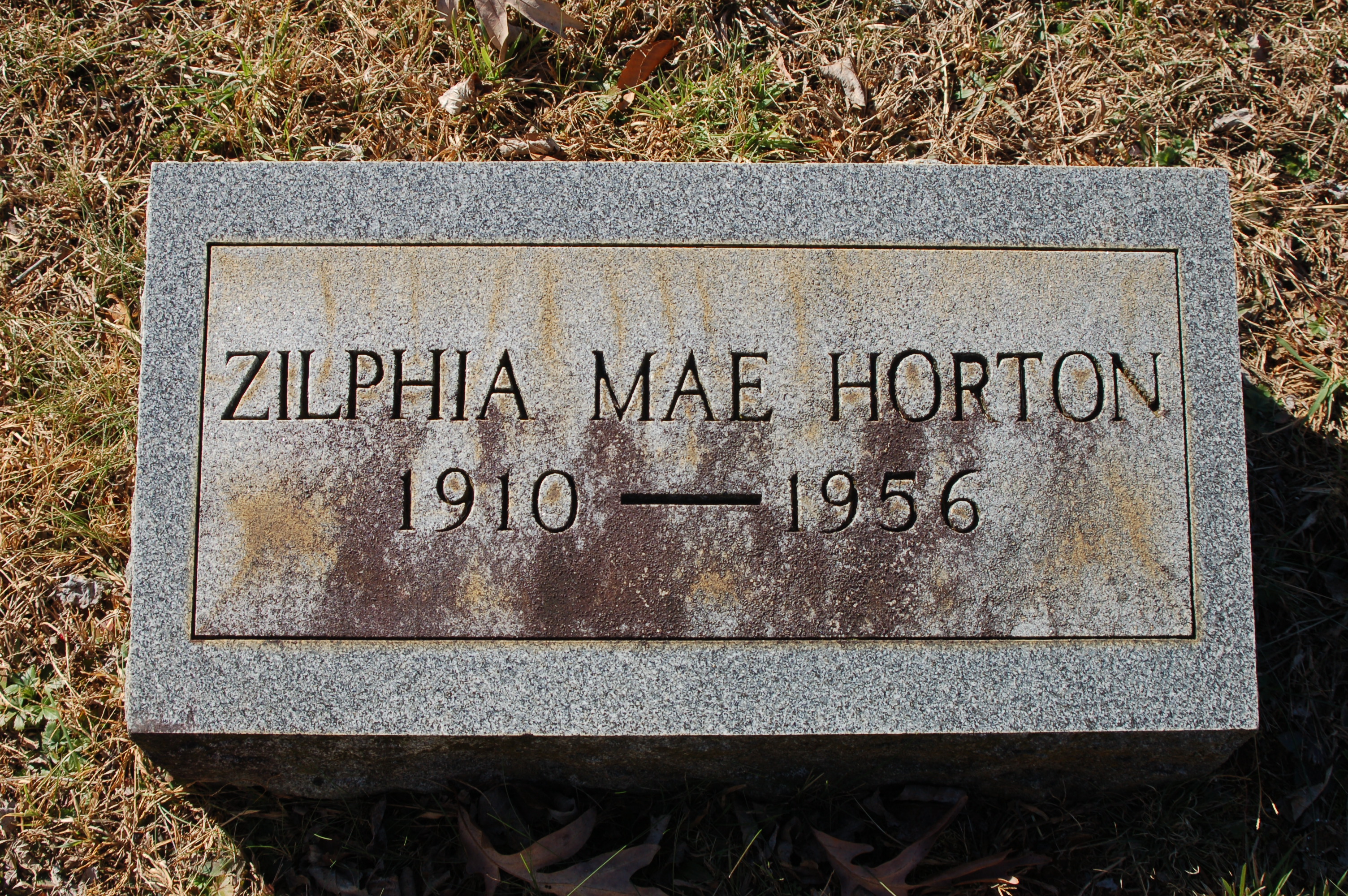
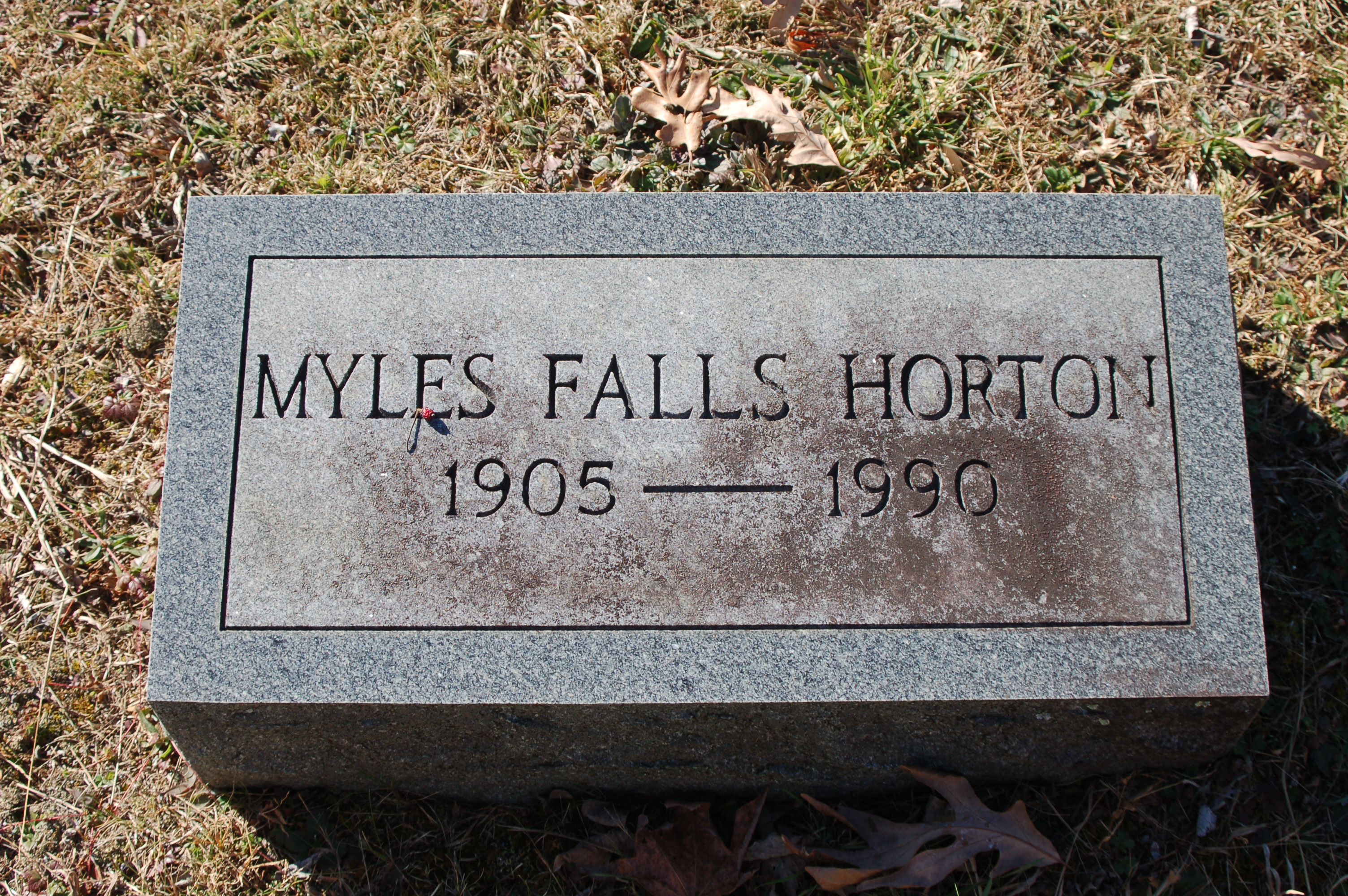
From 1932 to the mid-1940s, under founder Myles Horton, the school’s mission had been to build a labor movement supporting unionization, according to Grundy County Historical Society accounts, officials and exhibits. Over the years, Horton gained the support of Eleanor Roosevelt, United Nations Undersecretary Ralph J. Bunche and others.
The school’s opponents were galvanized by their activities in the 1930s and ’40s, when coal mining was king in the area. In 1936, a local resident wrote to FBI Director J. Edgar Hoover, outing the school as a home of communist-minded radicals. The writer’s name is redacted from the manuscript kept at the Grundy County Historical Society.
“This school is a hot-bed of communism and anarchy. This is proven by the part taken by its members in the strikes at Harriman, Tenn., Daisy, Tenn., and at the present at Rockwood, Tenn. It is the opinion of the writer that this school should be investigated,” the author wrote.
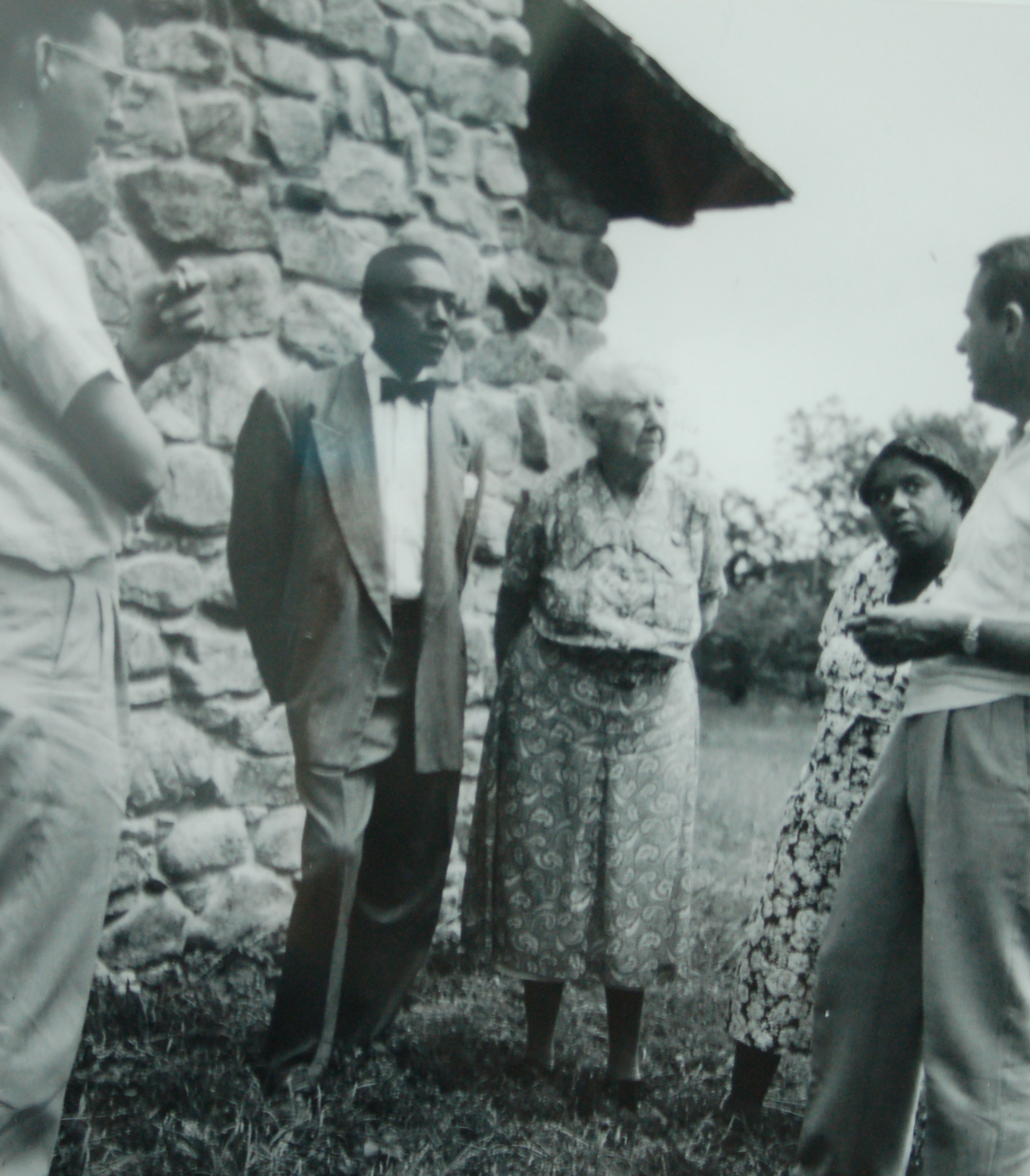
Controversy grew in the 1950s as the push for desegregation became more formidable and King and others — a list that includes early activists Septima Poinsette Clark, Ralph Abernathy and James Bevel — met to discuss ideas for improving society.
When Grundy County Sheriff Elston Clay padlocked the Highlander Center’s doors in 1959 following an investigation by the Tennessee General Assembly, Horton reportedly told him, “You can padlock a building, but you can’t padlock an idea.”
Morgan said Highlander has connections to a prominent Hamilton County family.
Chattanooga residents Seamour and Gerte Shavin were activists during the civil rights period of the 1950s and 1960s who frequented the school in Monteagle, Morgan said.
Gerte Shavin died in 2020, leaving Tennessee’s only Frank Lloyd Wright-designed house on Missionary Ridge in Chattanooga in a trust, with her three grown children serving as trustees. The home, built in 1952, recently sold for $4 million.
Morgan said the timing of accepting an easement on the Highlander Folk School Library was particularly interesting given the recent attention surrounding the Shavin home on Missionary Ridge, which is on the market for the first time.
“Seymour Shavin grew up in Chattanooga and had a strong social conscience, according to his son, David Shavin,” Morgan said. “Our organization has spent many years working with the Shavin family to explore preservation strategies for the home, and learning more about the family’s involvement with the Highlander Center has been fascinating.”
(SIGN UP: Get breaking news in your inbox as it happens by going to timesfreepress.com/breaking)
The Highlander site has a story to tell, and it must be preserved to provide historical context, according to Morgan.
“It has this very engaging, deep story to tell about that moment in time in this country,” Morgan said. “And it’s an inspiring story. It’s something that we can look to that can help others as they aspire to help improve their situation.”
Contact Southeast Tennessee reporter Ben Benton at bbenton@timesfreepress.com or 423-757-6569.
This story was updated Aug. 12 to clarify details of the Shavin family’s connection to the Highlander Folk School.