
Thursday, November 12, 2026Nov 12

Japan’s nuclear cleanup stymied by water woes

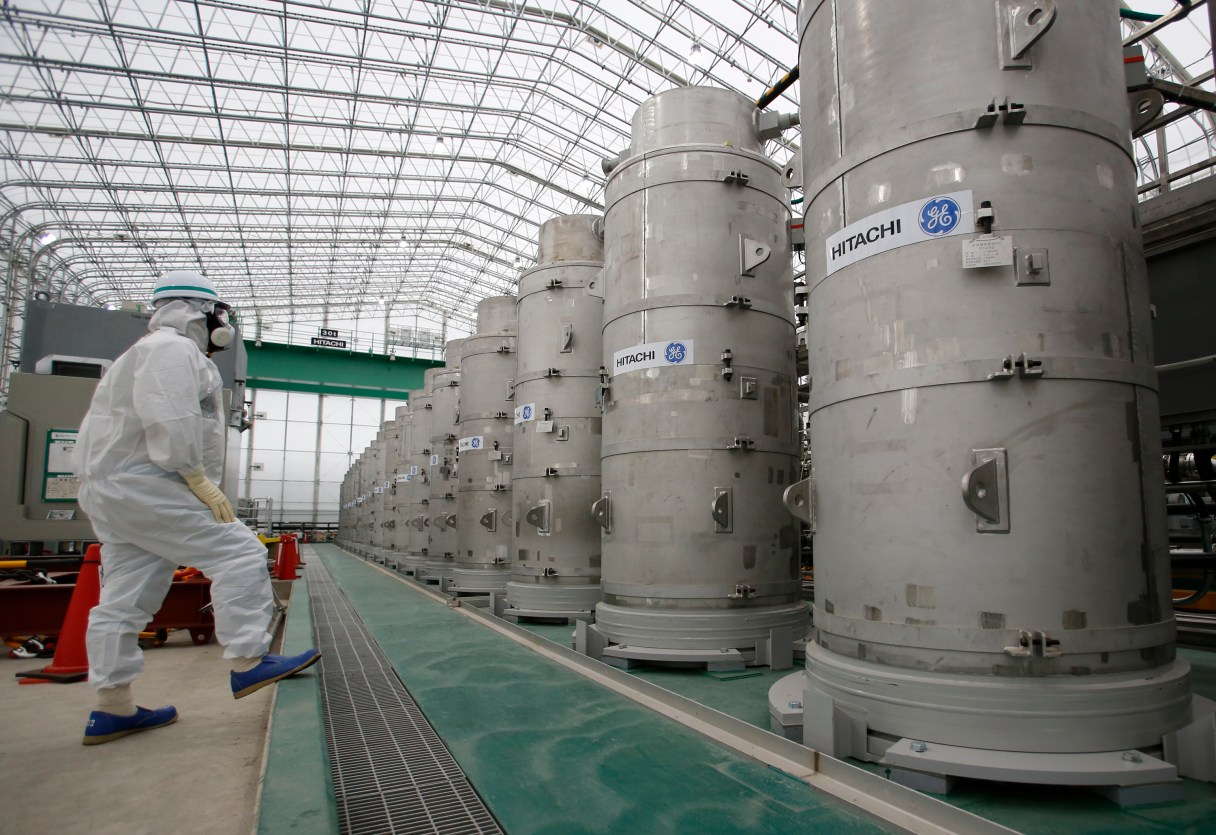
A journalist wearing a radioactive protective gear look at Advanced Liquid Processing Systems at the Fukushima Dai-ichi nuclear power plant in Okuma, Fukushima Prefecture, northeastern Japan Wednesday, Nov. 12, 2014. Tokyo Electric Power Co. (TEPCO), the operator of the nuclear station, is developing systems to try to remove some of the radioactive elements from the water. The one, known as ALPS, has been trouble-plagued, but utility officials hope to achieve their daily capacity of 2,000 tons when they enter full operation next month. (AP Photo/Shizuo Kambayashi, Pool)
A journalist wearing a radioactive protective gear look at Advanced Liquid Processing Systems at the Fukushima Dai-ichi nuclear power plant in Okuma, Fukushima Prefecture, northeastern Japan Wednesday, Nov. 12, 2014. Tokyo Electric Power Co. (TEPCO), the operator of the nuclear station, is developing systems to try to remove some of the radioactive elements from the water. The one, known as ALPS, has been trouble-plagued, but utility officials hope to achieve their daily capacity of 2,000 tons when they enter full operation next month. (AP Photo/Shizuo Kambayashi, Pool) A journalist wearing a radioactive protective gear look at Advanced Liquid Processing Systems at the Fukushima Dai-ichi nuclear power plant in Okuma, Fukushima Prefecture, northeastern Japan Wednesday, Nov. 12, 2014. Tokyo Electric Power Co. (TEPCO), the operator of the nuclear station, is developing systems to try to remove some of the radioactive elements from the water. The one, known as ALPS, has been trouble-plagued, but utility officials hope to achieve their daily capacity of 2,000 tons when they enter full operation next month. (AP Photo/Shizuo Kambayashi, Pool)

OKUMA, Japan (AP) – More than three years into Japan’s massive cleanup of the tsunami-damaged nuclear plant, only a tiny fraction of the workers are focused on the key tasks of dismantling the broken reactors and removing radioactive fuel rods.

Instead, nearly all the workers are devoted to a single, enormously distracting problem: coping with the vast amount of water that becomes contaminated after it is pumped into the reactors to keep the melted radioactive fuel inside from overheating.

The numbers tell the story.

6,000 WORKERS

Every day, some 6,000 workers pass through the guarded gate of the Fukushima Dai-ichi plant located on the Pacific coast, two to three times more than when it was actually producing electricity.