
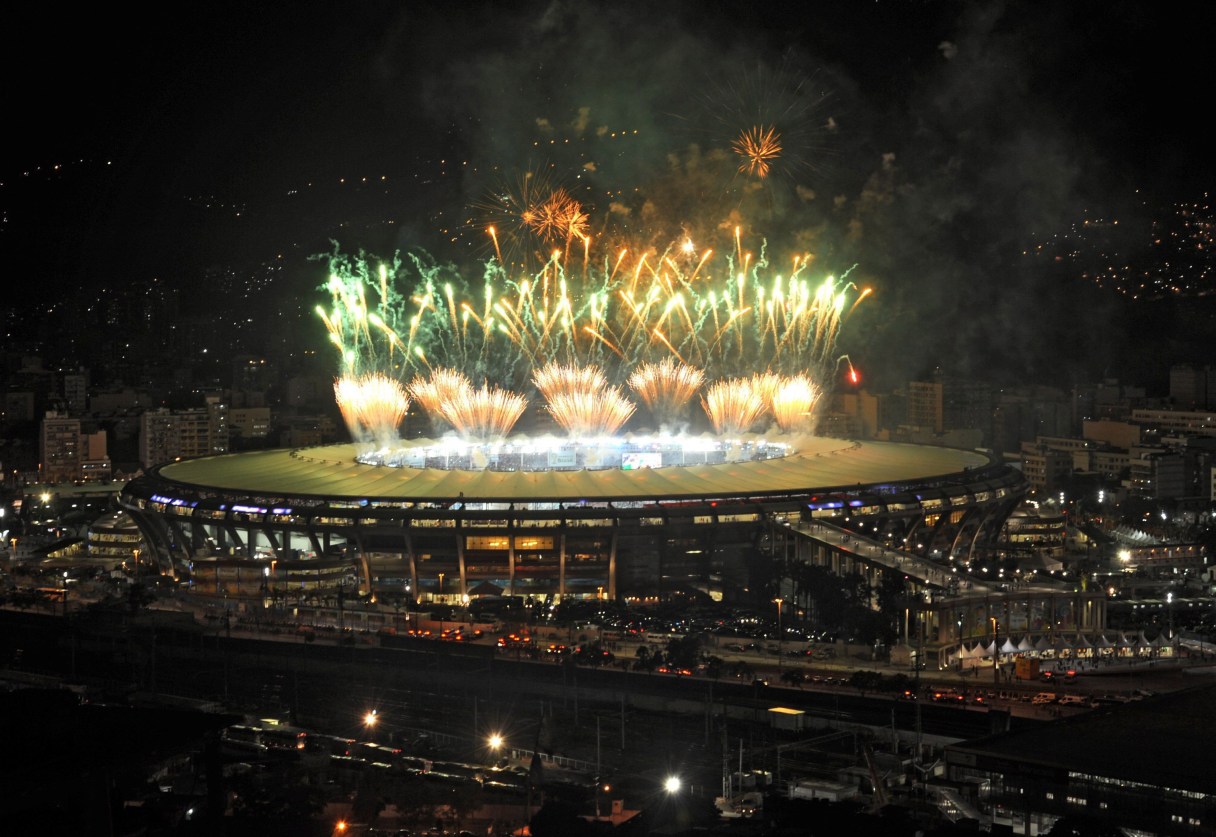
RIO DE JANEIRO (AP) – For Brazil, it was the upside-down World Cup.
Brazilians lost at what they were certain they would win – soccer – and won where so many expected failure – organization.
For years, the country’s government has endured grueling criticism from FIFA over severely delayed stadiums. Leaders rode out a wave of protests last year over billions spent on the tournament despite poor public services. Foreign tabloids warned fans of man-eating snakes and violence, while domestic newspapers grilled officials over every imaginable aspect of Cup preparations.
Many serious doubts remain: about corruption related to World Cup works; whether the country will see economic benefits from hosting the games; and whether dozens of infrastructure projects promised as the biggest legacy of the event will ever be completed.
But there is no question that the goal of giving the world a smoothly run, exuberant sporting spectacle surpassed all expectations.