
Friday, November 13, 2026Nov 13

DOJ says inmates on home confinement can stay out of prison

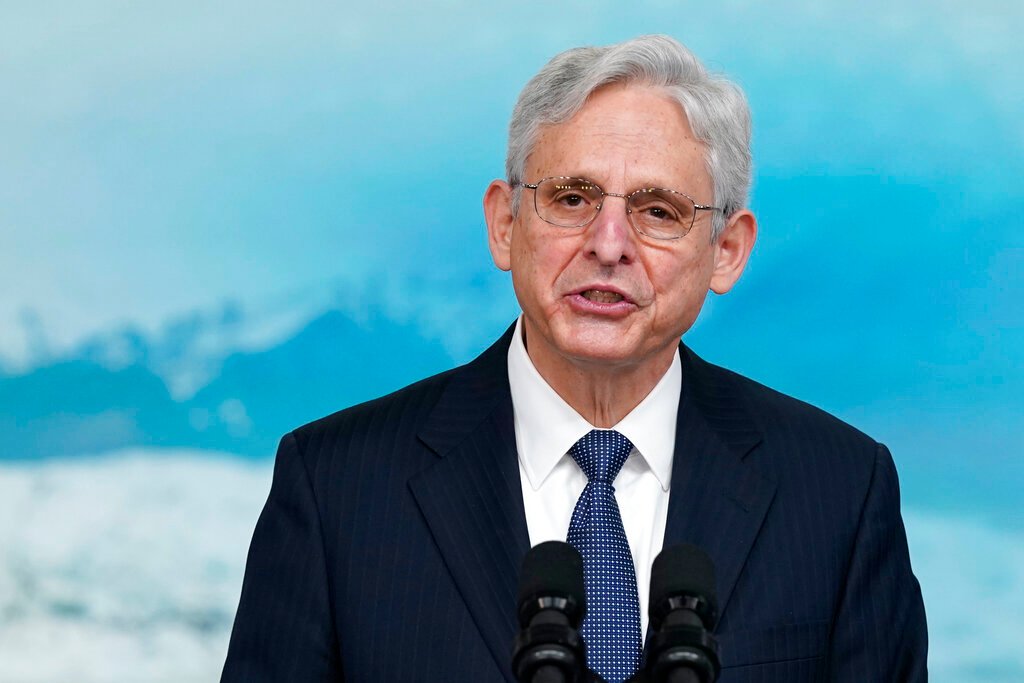
Attorney General Merrick Garland speaks during a Tribal Nations Summit during Native American Heritage Month, in the South Court Auditorium on the White House campus, Nov. 15, 2021, in Washington. The Justice Department says it is reversing its own legal opinion and will now allow federal inmates released on home confinement because of the coronavirus pandemic to stay out and not return to prison. Garland's announcement comes after months of pressure on the Biden administration. (AP Photo/Evan Vucci, File)
Attorney General Merrick Garland speaks during a Tribal Nations Summit during Native American Heritage Month, in the South Court Auditorium on the White House campus, Nov. 15, 2021, in Washington. The Justice Department says it is reversing its own legal opinion and will now allow federal inmates released on home confinement because of the coronavirus pandemic to stay out and not return to prison. Garland's announcement comes after months of pressure on the Biden administration. (AP Photo/Evan Vucci, File) Attorney General Merrick Garland speaks during a Tribal Nations Summit during Native American Heritage Month, in the South Court Auditorium on the White House campus, Nov. 15, 2021, in Washington. The Justice Department says it is reversing its own legal opinion and will now allow federal inmates released on home confinement because of the coronavirus pandemic to stay out and not return to prison. Garland's announcement comes after months of pressure on the Biden administration. (AP Photo/Evan Vucci, File)

WASHINGTON (AP) – The Justice Department on Tuesday reversed its own legal opinion and said it would allow federal inmates released on home confinement because of the coronavirus pandemic to stay out of prison.

The decision announced by Attorney General Merrick Garland came after months of pressure on President Joe Biden from criminal justice groups, lawmakers and other advocates. In the final days of the Trump administration, DOJ said released inmates would have to return to prison at the end of the emergency period declared during the pandemic. Nearly 3,000 former inmates would have potentially been taken back to prison.

DOJ’s Office of Legal Counsel said Tuesday that it did not “lightly depart from our precedents, and we have given the views expressed in our prior opinion careful and respectful consideration.”

The office concluded that the Federal Bureau of Prisons’ “preexisting authorities does not require that prisoners in extended home confinement be returned en masse to correctional facilities when the emergency period ends.”

The original releases was authorized under the authority of the $2.2 trillion CARES Act that former President Donald Trump signed in March 2020. As the virus spread, then-Attorney General William Barr directed federal prisons to increase the use of home confinement and expedite the release of eligible high-risk inmates as coronavirus cases surged, particularly in detention settings. Priority was given to those at low- or medium-security prisons where the virus was spreading fastest.