
Tuesday, November 17, 2026Nov 17

Many say now is the time to fight racial bias in foster care

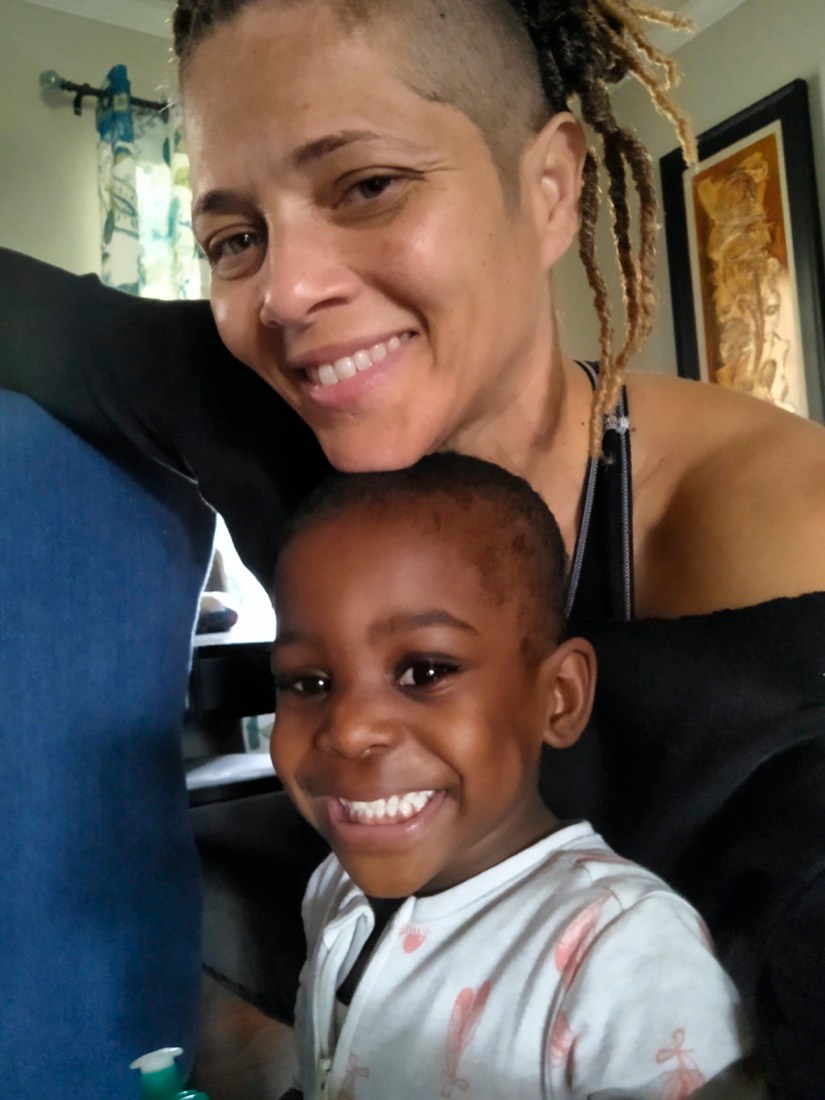
This 2021 photo provided by Bridgette Griffin shows her and her daughter, Aubrey Faith Griffin, on Aubrey's third birthday at their home in Atlanta. Griffin, adopted Aubrey from foster care and been a foster parent to many other children, including teenage girls and babies. Though she thrives on being a foster mom, she sees traces of racism ingrained in the child-welfare system. "You see the difference in the courts - two kids coming in for the same type of neglect," she said, "The judge looks at them differently, the social workers deal with them differently. There's more sympathy for the white parents, unfortunately. ... It's not fair." (Bridgette Griffin via AP)

Cheri Williams looks back with regret at the start of her career as a child welfare caseworker in 1998. Systemic racism is a major reason why.

“I removed probably about 100 kids from their homes in the 15 months I was an investigator a lot of them were children of color,” said Williams, who’s now a vice president of one of the largest adoption and foster care agencies in the United States.

“Decades later, I realized how much harm I personally have caused,” she said. “We’ve learned so much more of the value of supporting families, about implicit bias.”

Bias and racism are widespread in the child welfare system. Black children are taken into foster care at a disproportionately high rate and languish longer before being adopted, reunited with their parents or aging out of the system.

Williams oversees domestic programs for Bethany Christian Services, which released a report Wednesday detailing racial disparities in its programs for the first time and joining in broader calls to combat them. As Black families reel from the COVID-19 pandemic and the nation confronts racial injustice, Bethany’s leaders and others connected to the child welfare system believe the moment has come for fundamental changes, notably through better support for at-risk families so fewer children are removed from their homes on the grounds of neglect.