
Monday, November 16, 2026Nov 16

Niu says Chinese civil war film changed his life

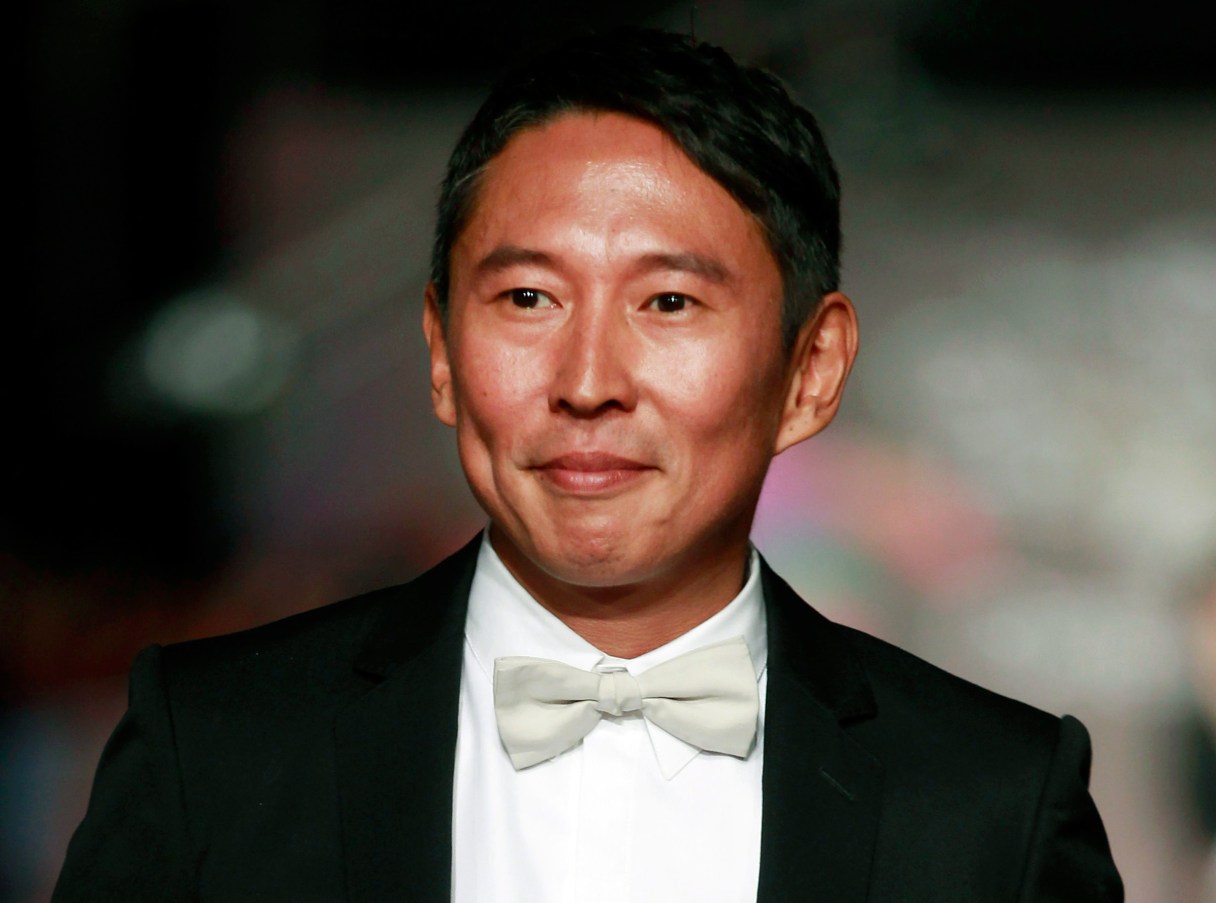
FILE - In this Nov. 24, 2012 file photo, Taiwanese director Niu Chen-Zer arrives at the 49th Golden Horse Awards at the Luodong Cultural Working House in Yilan County, Taiwan. Niu has fulfilled a longtime dream to make a film paralleling his father’s journey as a soldier who left China for Taiwan during the civil war in the late 1940s. And making “Paradise in Service” changed his own life, too. As difficult as filming was, the 48-year-old director has a lot to smile about these days: The film was selected to open the Busan International Film Festival opening on Oct. 2, 2014 in South Korea. “This is the result of the team’s collective hard work. We took an honest look at an era,” Niu said. (AP Photo/Wally Santana, File)

TAIPEI, Taiwan (AP) – Niu Chen-zer has fulfilled a longtime dream to make a film paralleling his father’s journey as a soldier who left China for Taiwan during the civil war in the late 1940s. And making “Paradise in Service” changed his own life, too.

The film tells the story of Taiwanese soldiers stationed on the island of Quemoy during a protracted 1958 Chinese bombing campaign against that isolated target. While cross-strait relations between Taiwan and China have moderated in recent years, China still claims sovereignty over the self-governing island and Taiwan’s military is still committed to maintain defenses from a possible Chinese attack.

Prior to filming, Niu received ample funding and a promise of assistance from the Taiwanese navy – support that came to a screeching halt last year after the director used false documents to bring a Chinese cinematographer to a Taiwanese naval base for location scouting. Taiwan’s government bans mainland Chinese nationals from entering sensitive military establishments.

The loss of funding and military support made filming more challenging. But Niu has apologized profusely for his “negligence,” and calls facing that mistake an invaluable experience.

“It changed me. It made me aware of what I did in the past, where I single-mindedly wanted to make good films and hence gave myself a lot of leeway. Some could also interpret it as being reckless,” he said.