
Monday, November 16, 2026Nov 16

Safety agency says distracted driver caused fatal Uber crash

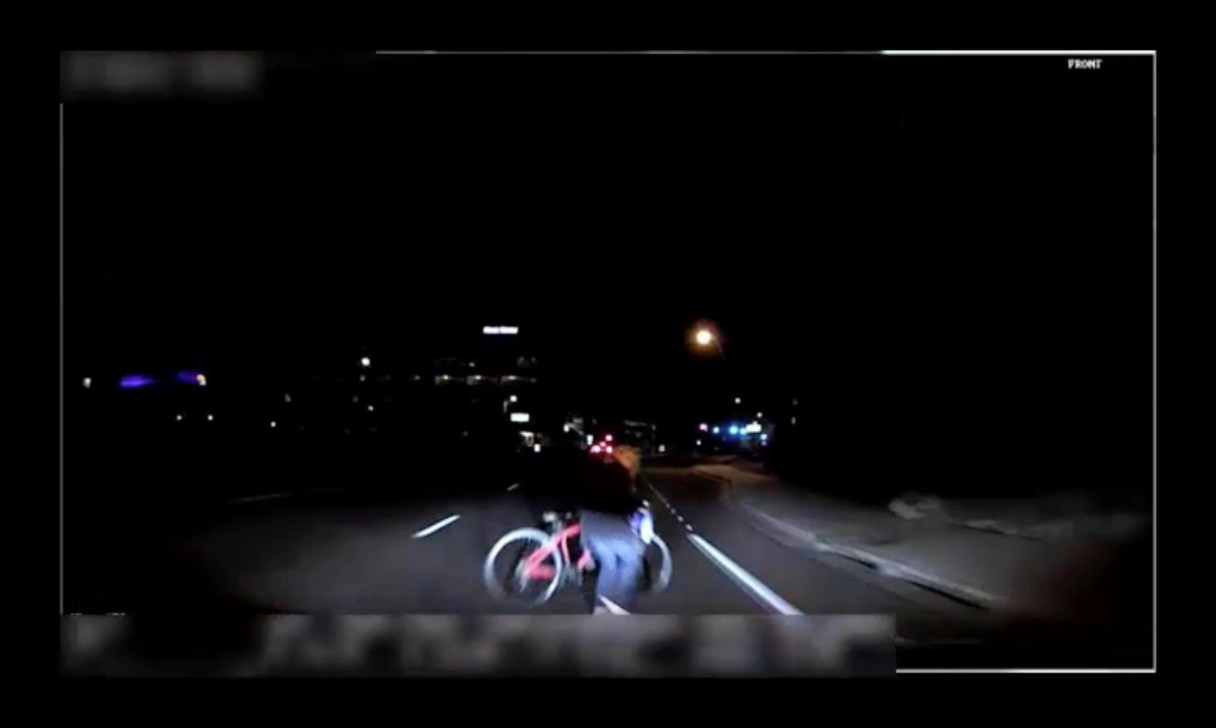
This file image made from video March 18, 2018, of a mounted camera provided by the Tempe Police Department shows an exterior view moments before an Uber SUV hit a woman in Tempe, Ariz. The chairman of the National Transportation Safety Board says Uber had an ineffective safety culture when one of its autonomous test vehicles ran down and killed a pedestrian last year in Tempe, Arizona. Robert Sumwalt said at a hearing Tuesday, Nov. 19, 2019, on the March 2018 crash that Uber didn't continually monitor its operations and it had de-activated its Volvo SUV's automatic emergency braking system. Uber's own system also didn't have the ability to brake automatically, relying on a human backup driver to do the braking. (Tempe Police Department via AP, File)

The National Transportation Safety Board on Tuesday condemned the lack of state and federal regulation for testing autonomous vehicles before finding that a distracted human safety driver was the main cause of a fatal 2018 Arizona crash involving an Uber vehicle.

The board criticized the National Highway Traffic Safety Administration, the government’s road safety agency, for failing to lead in regulating tests on public roads. But it also said states need to adopt their own regulations.

“In my opinion they’ve put technology advancement here before saving lives,” NTSB member Jennifer Homendy said of NHTSA, after NTSB staff members called self-regulation inadequate. “There’s no requirement. There’s no evaluation. There’s no real standards issued.”

NHTSA has issued voluntary guidelines including safety assessment reports from autonomous vehicle companies, but only 16 have filed such reports, the NTSB said. Yet there are 62 companies with permits to do testing in California. The agency has instead avoided regulations in favor of allowing the technology to move forward because it has tremendous life-saving potential.

NTSB staffers told the board that NHTSA has no mechanism to evaluate the companies’ safety reports, and since they aren’t mandatory, few are submitting them.