
WASHINGTON (AP) – The United States and Israel worked together to track and kill a senior al-Qaida operative in Iran earlier this year, a bold intelligence operation by the two allied nations that came as the Trump administration was ramping up pressure on Tehran.
Four current and former U.S. officials said Abu Mohammed al-Masri, al-Qaida’s No. 2, was killed by assassins in the Iranian capital in August. The U.S. provided intelligence to the Israelis on where they could find al-Masri and the alias he was using at the time, while Israeli agents carried out the killing, according to two of the officials. The two other officials confirmed al-Masri’s killing but could not provide specific details.
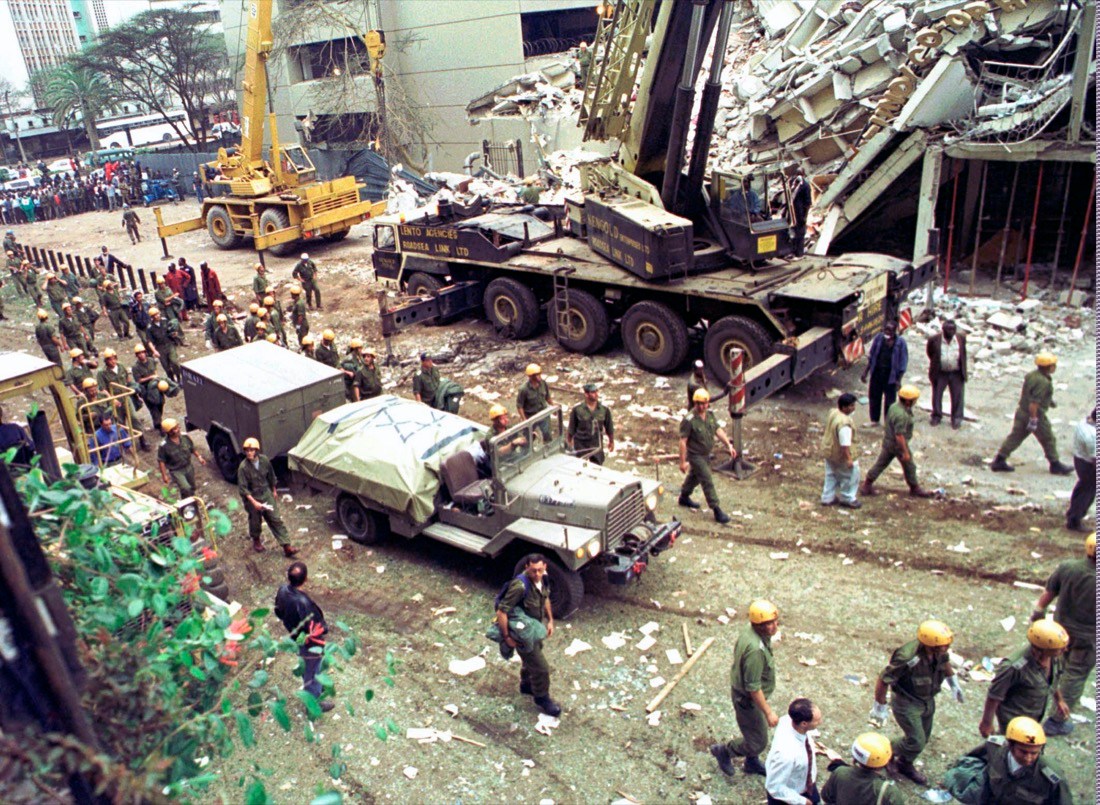
Al-Masri was gunned down in a Tehran alley on Aug. 7, the anniversary of the 1998 bombings of the U.S. embassies in Nairobi, Kenya, and Dar es Salaam, Tanzania. Al-Masri was widely believed to have participated in the planning of those attacks and was wanted on terrorism charges by the FBI.
Al-Masri’s death is a blow to al-Qaida, the terror network that orchestrated the Sept. 11, 2001, attacks in the U.S, and comes amid rumors in the Middle East about the fate of the group’s leader, Ayman al-Zawahiri. The officials could not confirm those reports but said the U.S. intelligence community was trying to determine their credibility.
Two of the officials – one within the intelligence community and with direct knowledge of the operation and another former CIA officer briefed on the matter – said al-Masri was killed by Kidon, a unit within the secretive Israeli spy organization Mossad allegedly responsible for the assassination of high-value targets. In Hebrew, Kidon means bayonet or “tip of the spear.”