
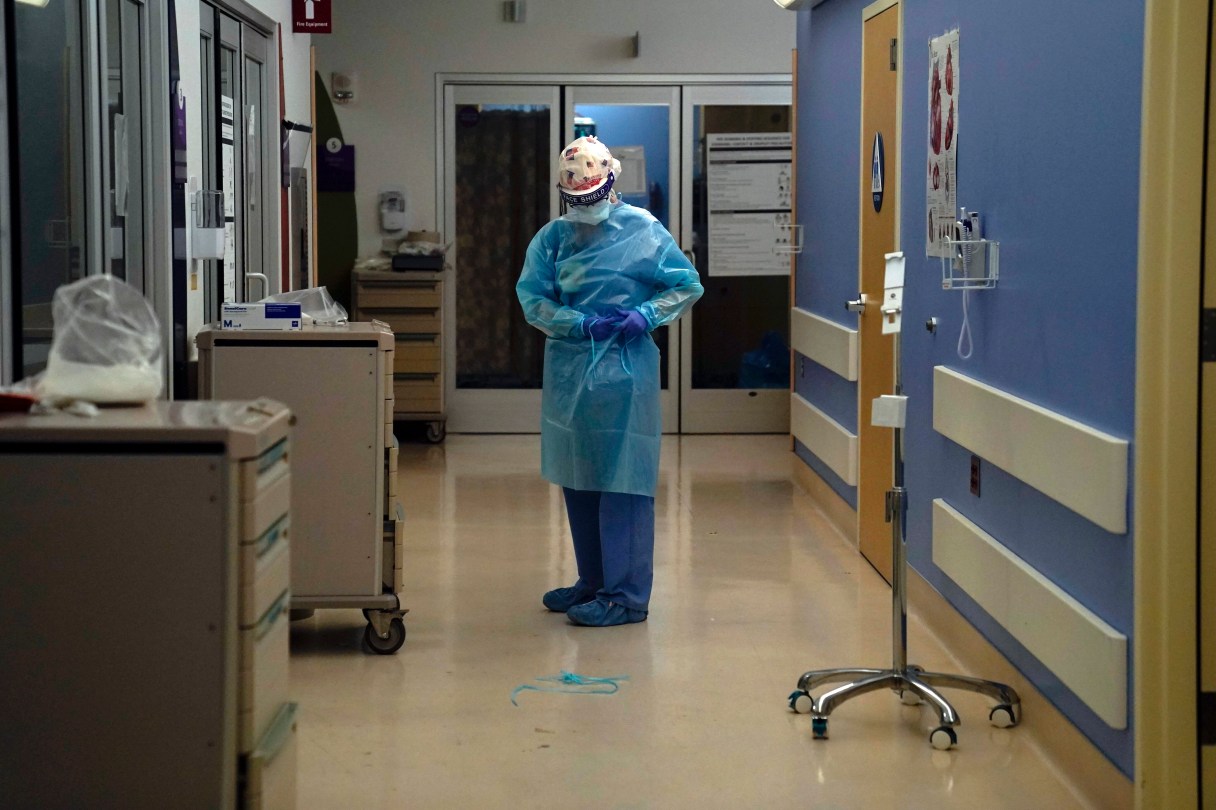
The desperately awaited vaccination drive against the coronavirus in the U.S. is running into resistance from an unlikely quarter: Surprising numbers of health care workers who have seen firsthand the death and misery inflicted by COVID-19 are refusing shots.
It is happening in nursing homes and, to a lesser degree, in hospitals, with employees expressing what experts say are unfounded fears of side effects from vaccines that were developed at record speed. More than three weeks into the campaign, some places are seeing as much as 80% of the staff holding back.
“I don’t think anyone wants to be a guinea pig,” said Dr. Stephen Noble, a 42-year-old cardiothoracic surgeon in Portland, Oregon, who is postponing getting vaccinated. “At the end of the day, as a man of science, I just want to see what the data show. And give me the full data.”
Alarmed by the phenomenon, some administrators have dangled everything from free breakfasts at Waffle House to a raffle for a car to get employees to roll up their sleeves. Some states have threatened to let other people cut ahead of health care workers in the line for shots.
“It’s far too low. It’s alarmingly low,” said Neil Pruitt, CEO of PruittHealth, which runs about 100 long-term care homes in the South, where fewer than 3 in 10 workers offered the vaccine so far have accepted it.