
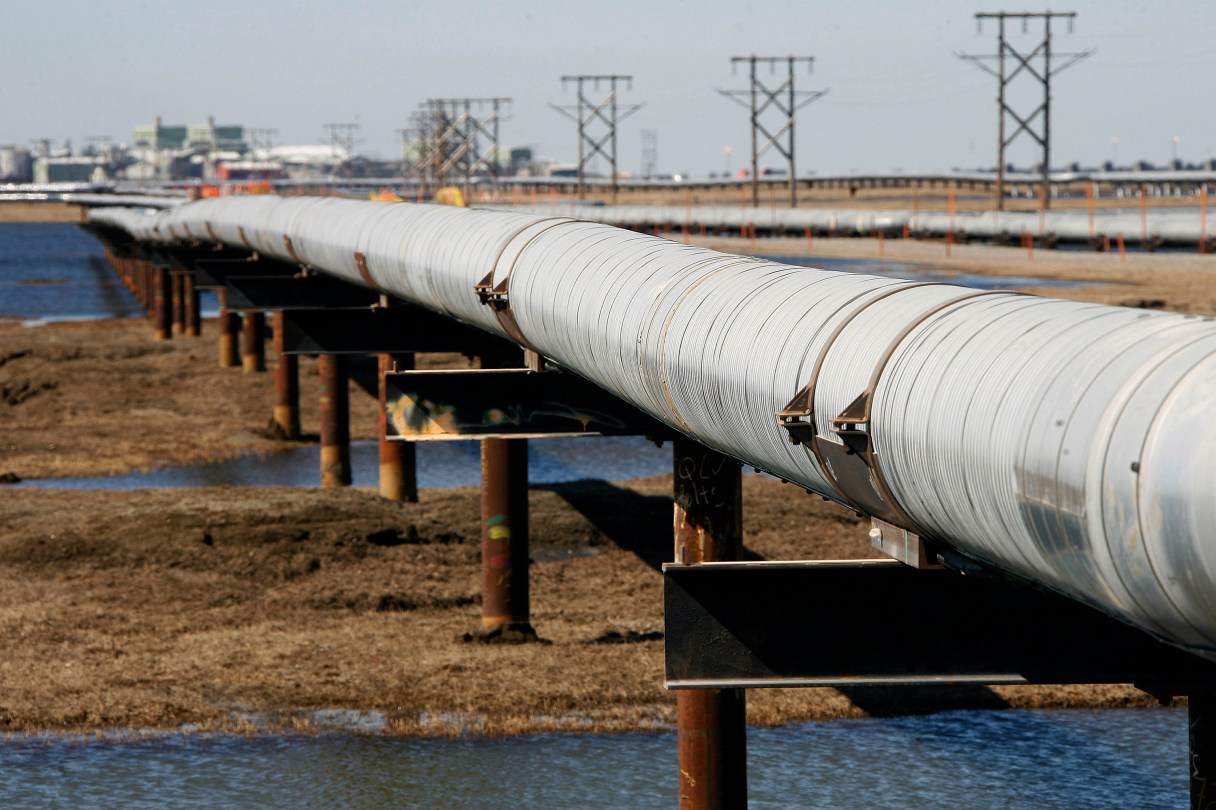
WASHINGTON (AP) – The U.S. should immediately begin a push to exploit its enormous trove of oil in the Arctic waters off of Alaska, or risk a renewed reliance on imported oil in the future, an Energy Department advisory council says in a study to be released Friday.
The U.S. has drastically cut imports and transformed itself into the world’s biggest producer of oil and natural gas by tapping huge reserves in shale rock formations. But the government predicts that the shale boom won’t last much beyond the next decade.
In order for the U.S. to keep domestic production high and imports low, oil companies should start probing the Artic now because it takes 10 to 30 years of preparation and drilling to bring oil to market, according to a draft of the study’s executive summary obtained by the Associated Press.
“To remain globally competitive and to be positioned to provide global leadership and influence in the Arctic, the U.S. should facilitate exploration in the offshore Alaskan Arctic now,” the study’s authors wrote.
The study, produced by the National Petroleum Council at the request of Energy Secretary Ernest Moniz, comes at a time when many argue the world needs less oil, not more. U.S. oil storage facilities are filling up, the price of oil has collapsed from over $100 a barrel to around $50, and prices are expected to stay relatively low for years to come. At the same time, scientists say the world needs to drastically reduce the amount of fossil fuels it is burning in order to avoid catastrophic changes to the earth’s climate.