
Sunday, November 15, 2026Nov 15

Economy dominates in-tray of new Tunisia president

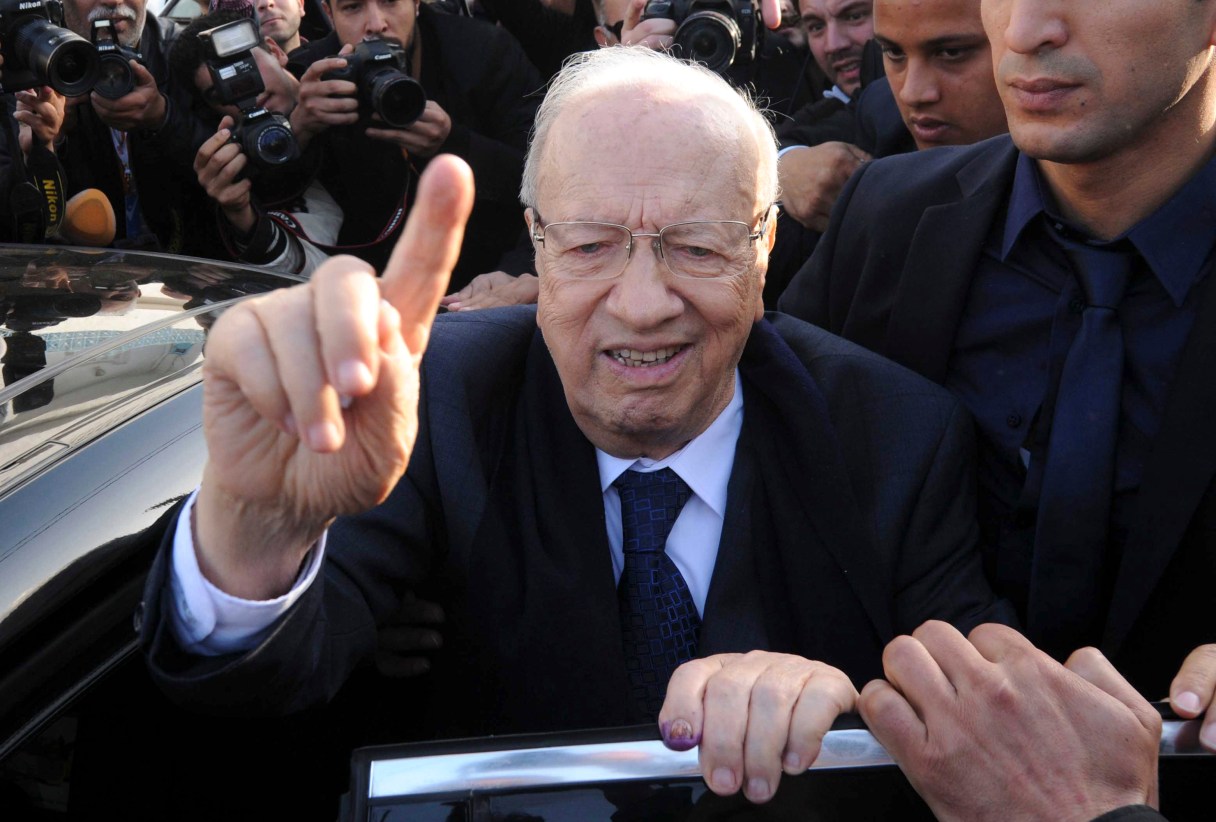
FILE - In this Nov. 23, 2014 file photo, Presidential candidate and Nidaa Tounes party leader Beji Caid Essebsi leaves the polling station of Soukra after casting his vote, during the first round of the Tunisian presidential election, in Soukra, outside Tunis. Beji Caid Essebsi the newly elected president of Tunisia faces deep-seated economic problems as he takes power in the country that blazed the trail in the Arab Spring. While much of the election campaign revolved around questions of security and political freedoms, economic issues are likely to feature in the policy in-tray of Beji Caid Essebsi, who won the Sunday Dec. 22, 2014 elections in the north African country of 11 million. (AP Photo/Mohamed Werteni, File)

TUNIS, Tunisia (AP) – The newly elected president of Tunisia faces deep-seated economic problems as he takes power in the country that blazed the trail in the Arab Spring.

While much of the election campaign revolved around questions of security and political freedoms, economic issues are likely to feature heavily in the policy in-tray of Beji Caid Essebsi, who won Sunday’s elections in the North African country of 11 million.

Economic factors were largely behind Tunisia’s revolution in 2010 that saw the overthrown of dictator Zine El Abidine Ben Ali and set in motion a series of uprisings across the Arab world.

Four years on, the economic concerns that stoked the revolutionary fervor remain to be addressed. Unemployment in Tunisia stands at nearly 15 percent – it’s double that for the young and women.

Here are some of the economic issues that Essebsi has to deal with: