

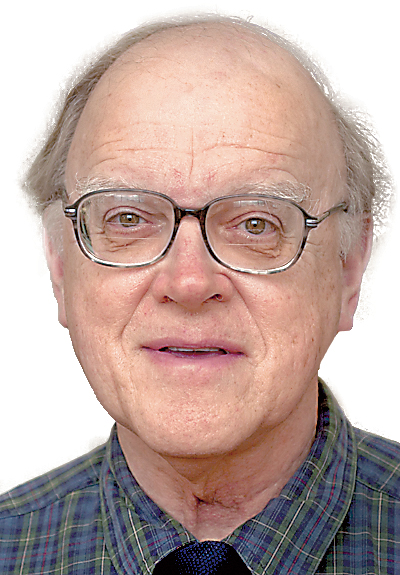
 Dr. Clif Cleaveland
Donald Klinefelter, who died on Oct. 10, fulfilled many public roles as university professor, church leader, counselor, public lecturer and medical ethicist. No matter the setting or situation, he increased our knowledge and lifted our spirits.
My contacts with Don ranged from brief conversations in hospital and UTC hallways to chance encounters in grocery stores or at swimming pools. Lengthier chats could occur anywhere. Short or long, each meeting always improved my outlook for the rest of the day. Don never seemed in a hurry. The person with whom he might be talking was his principal concern at that moment.
Our most sustained contacts took place in relation to Don’s engagement with medical ethics. His scholarly background was in philosophy, which inspired his research and informed the various classes he taught at his university. He repeatedly reached beyond the academic environment to teach health-care providers, especially physicians, about the ethical dimensions of health care. His classroom had no walls.
Medical school curricula include numerous lectures and seminars on the latest innovations in diagnosis and therapy. In some respects, the ever-expanding scientific content of clinical medicine is easier because of the objective data that inform decisions and actions. A problem in treating diabetes can be researched online, experts can be consulted and therapy modified as more information is gathered.
Lectures in medical ethics are sprinkled through the four-year curriculum. At graduation, medical students take an ethical oath of one sort or another. Another oath may be administered later by professional societies.