
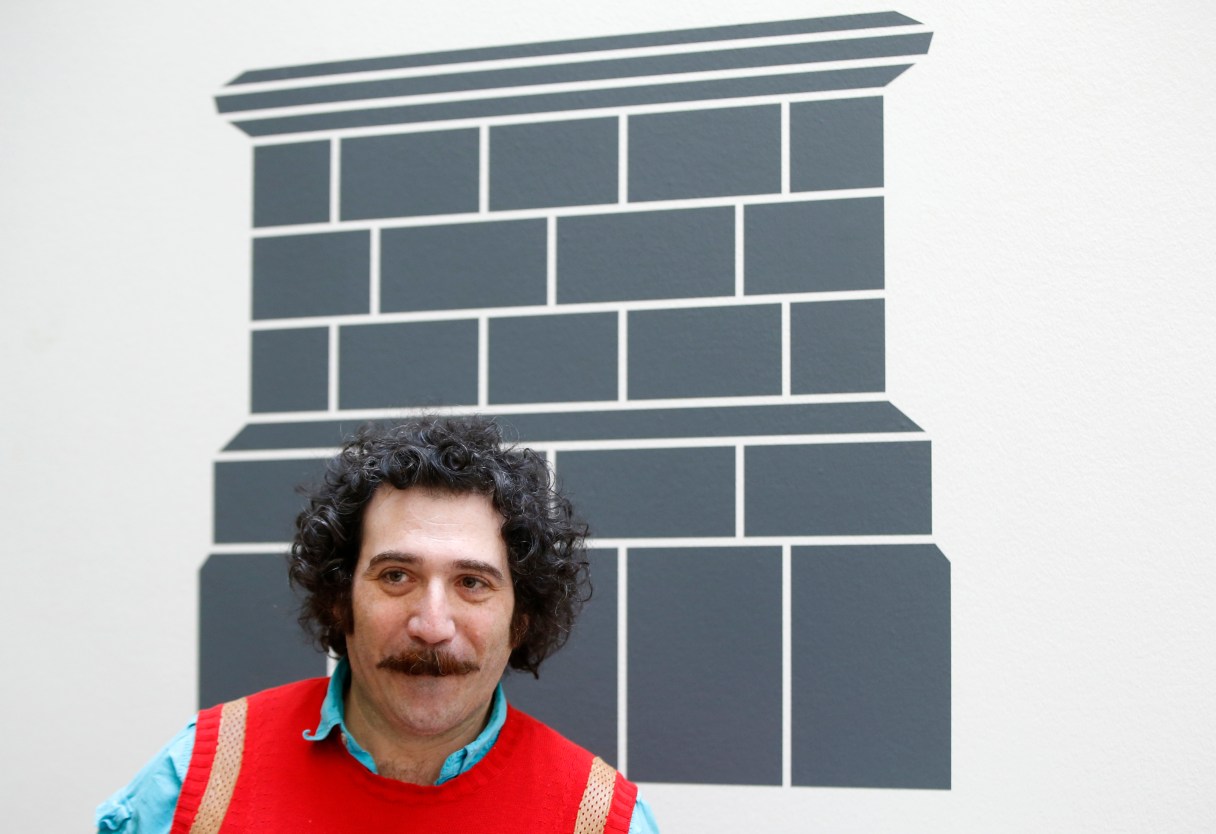
PHILADELPHIA (AP) – In 2016, an Iraqi-American artist sat down with Bahjat Abdulwahed – the so-called “Walter Cronkite of Baghdad” – with the idea of launching a radio project that would be part documentary, part radio play and part variety show.
Abdulwahed was the voice of Iraqi radio from the late 1950s to the early 1990s, but came to Philadelphia as a refugee in 2009 after receiving death threats from insurgents.
“He represented authority and respectability in relationship to the news through many different political changes,” said Elizabeth Thomas, curator of “Radio Silence,” a public art piece that resulted from the meeting with Abdulwahed.
Thomas had invited artist Michael Rakowitz to Philadelphia to create a project for Mural Arts Philadelphia, which has been expanding its public art reach from murals into new and innovative spaces.
After nearly five years of research, Rakowitz distilled his project into a radio broadcast that would involve putting the vivacious and caramel-voiced Abdulwahed back on the air, and using Philadelphia-area Iraqi refugees and local Iraq war veterans as his field reporters. It would feature Iraqi music, remembrances of the country and vintage weather reports from a happier time in Iraq.