
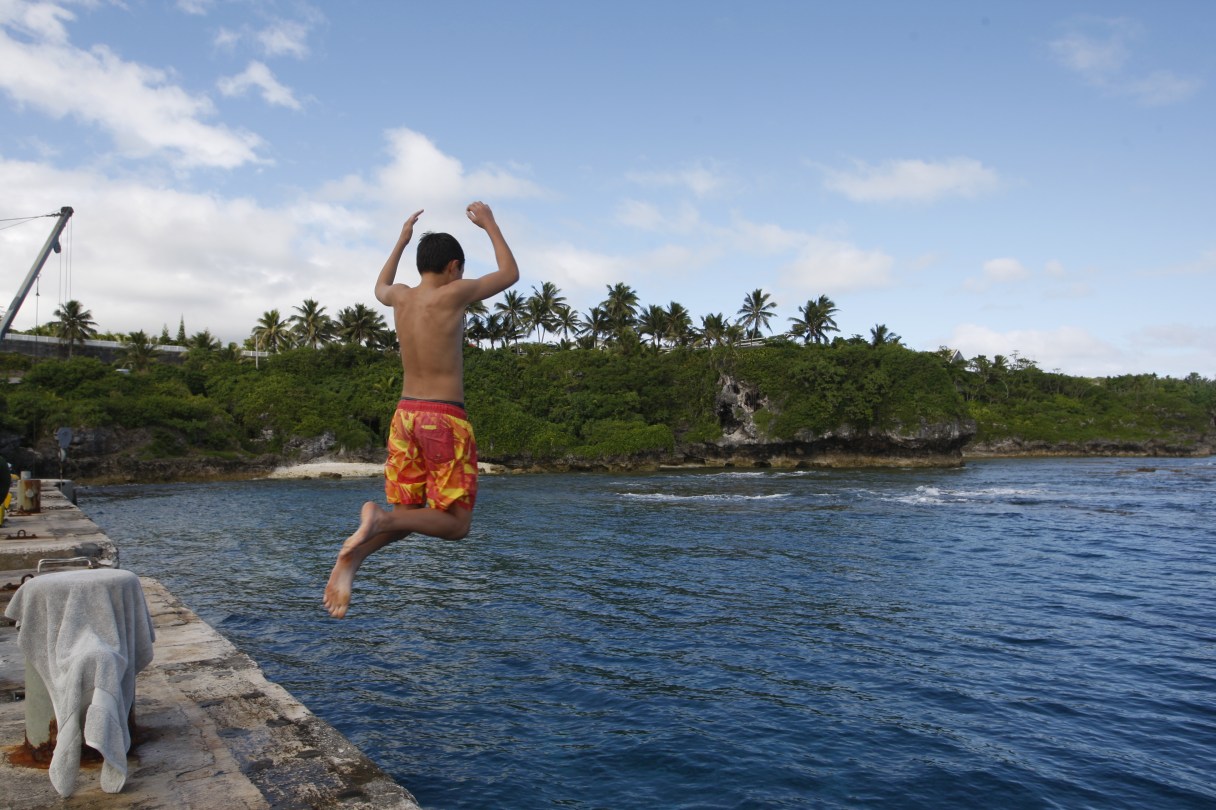
ALOFI, Niue (AP) – It was a school once, but there are no children here anymore. The lonely building on this remote Pacific island now contains only a punching bag that someone has strung from the classroom rafters, and a note scrawled on the chalkboard in Niuean: “Keep this place clean,” it says, “so it stays beautiful.”
While much of the world worries about how it will accommodate rapidly growing populations, some islands in the Pacific face the opposite dilemma: how to stop everybody from leaving.
The population decline on Niue, a lush coral atoll about the size of Baltimore, has been steady and relentless. In the 1960s, there were more than 5,000 people living here; today, there are fewer than 1,600. Fifteen times as many Niueans, some 24,000, now live across the ocean in New Zealand, 2,400 kilometers (1,500 miles) away.
The stories, songs and language that developed into the Niuean culture over more than 1,000 years are at risk of vanishing.
Speedo Hetutu, 54, attended the old school in the town of Avatele before it was abandoned and later used for workouts. There used to be six primary schools on the island; now there is only one. Other buildings where people used to work, pray or live now sit empty and in disrepair.