
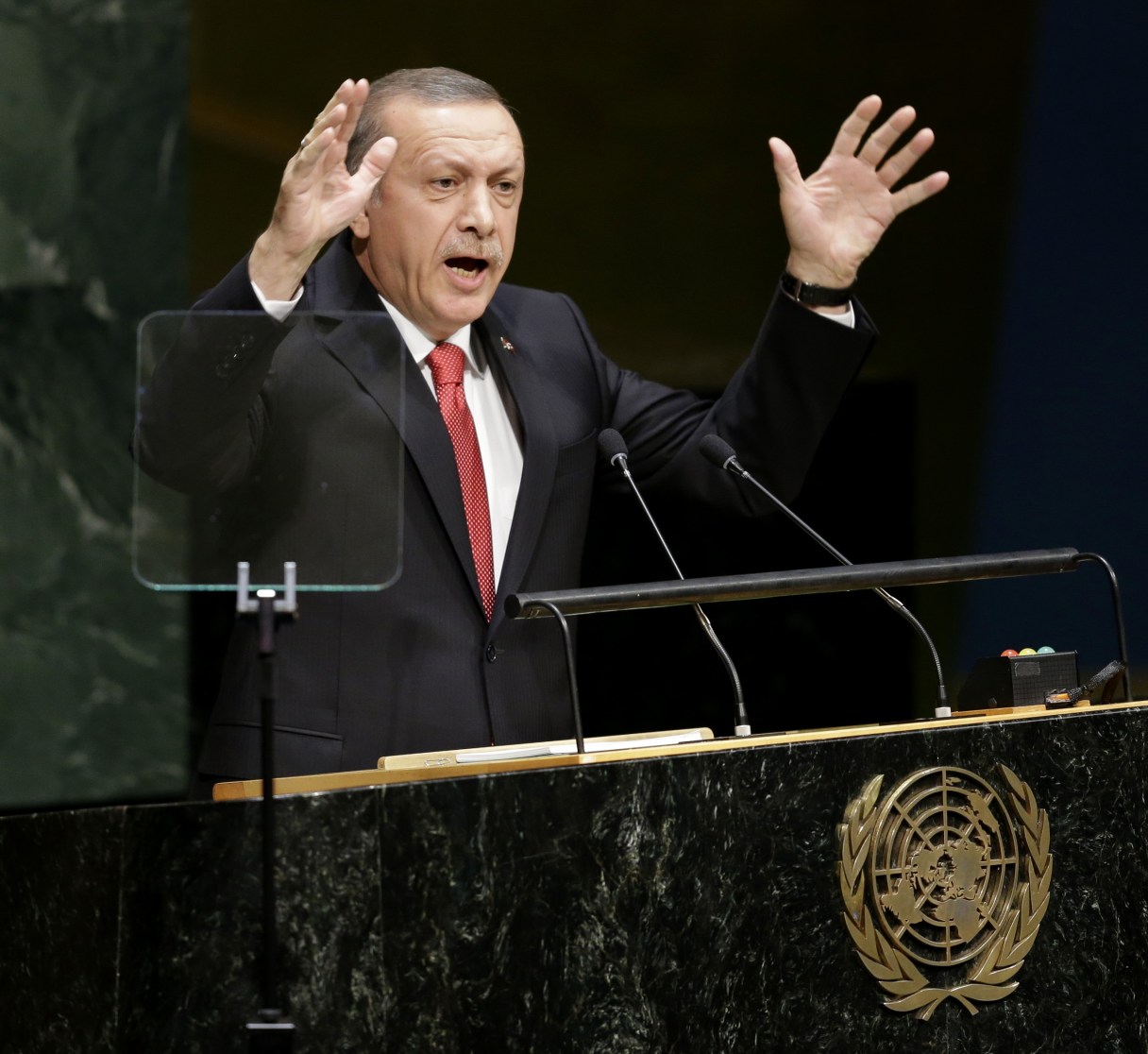
WASHINGTON (AP) – Moving from reluctance to refusal and finally to acceptance, Turkey is joining its NATO allies and fellow Sunni Muslim nations in a coalition to destroy the Islamic State militant group. But the U.S. is still waiting for details of any new, specific aid and is warily watching to make sure Ankara keeps its commitments.
Turkey, often described as a difficult partner with much of the West, long has resisted being used as a launching pad for foreign troops to attack neighboring nations. Now, however, Turkey faces threats from militants who have overtaken much of northern Syria and Iraq, as well as from Kurdish separatists whom Ankara considers terrorists.
And while Turkey has been overwhelmed by an estimated 1.5 million Syrian and Iraqi refugees, it also has been accused of harboring – or at least helping – Islamic State militants by letting them traffic fighters, weapons and lucrative oil shipments over its borders.
Until this week, Turkey was coy about whether it would contribute to a coalition of what the U.S. says is about 50 countries that have united against the Islamic State group. For months, the world largely gave Turkey a pass as it sought to free 49 of its diplomats, family members and employees who were kidnapped by the militants from the Turkish Consulate in Mosul, Iraq, in June.
The hostages were freed last weekend, prompting the U.S. and other coalition nations to press Turkey on what it would contribute.