
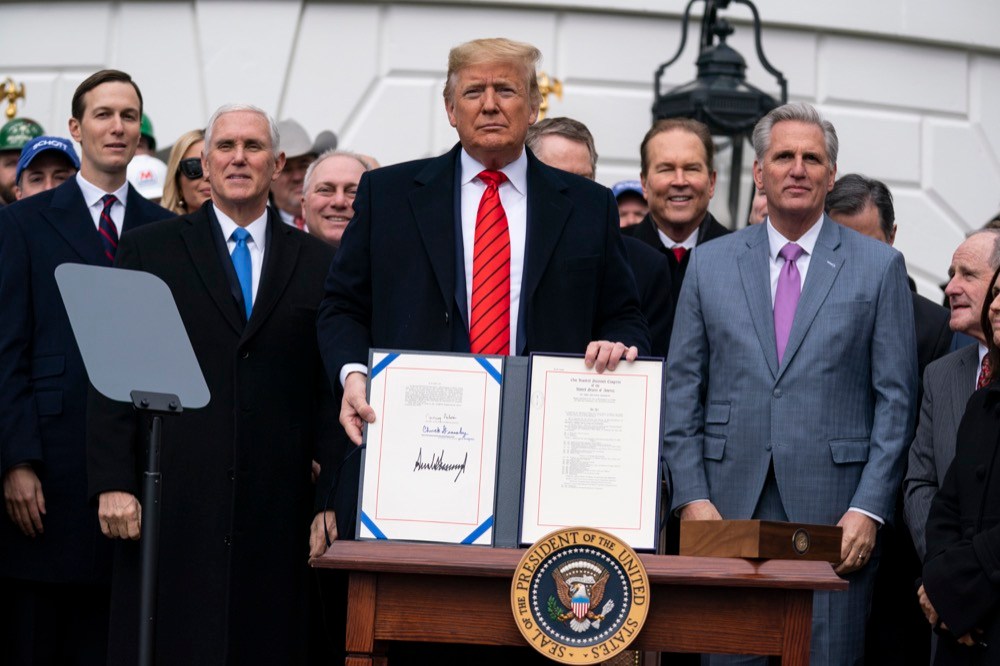
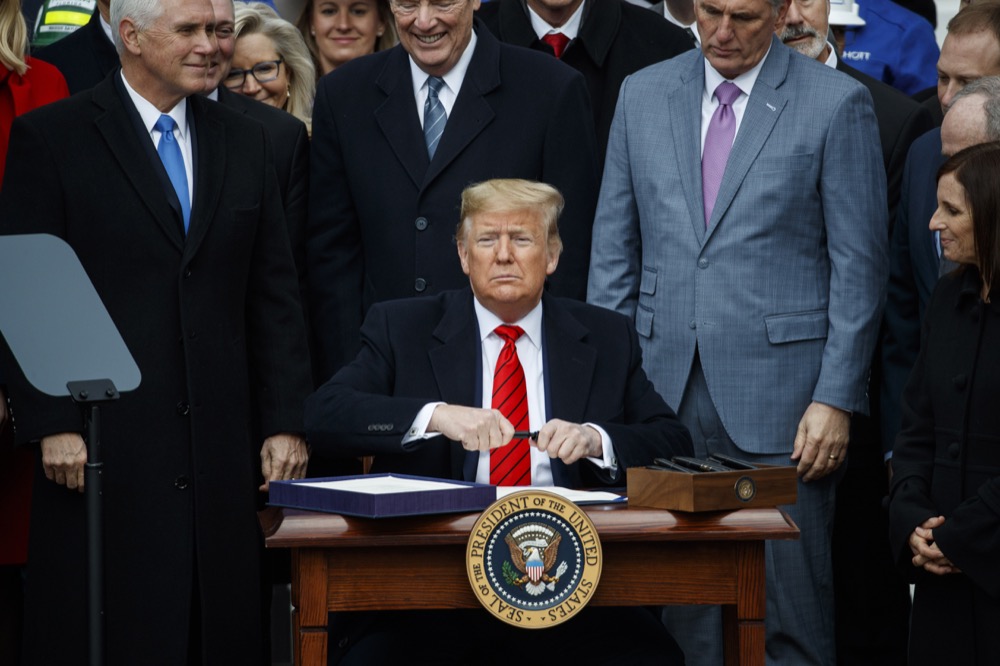
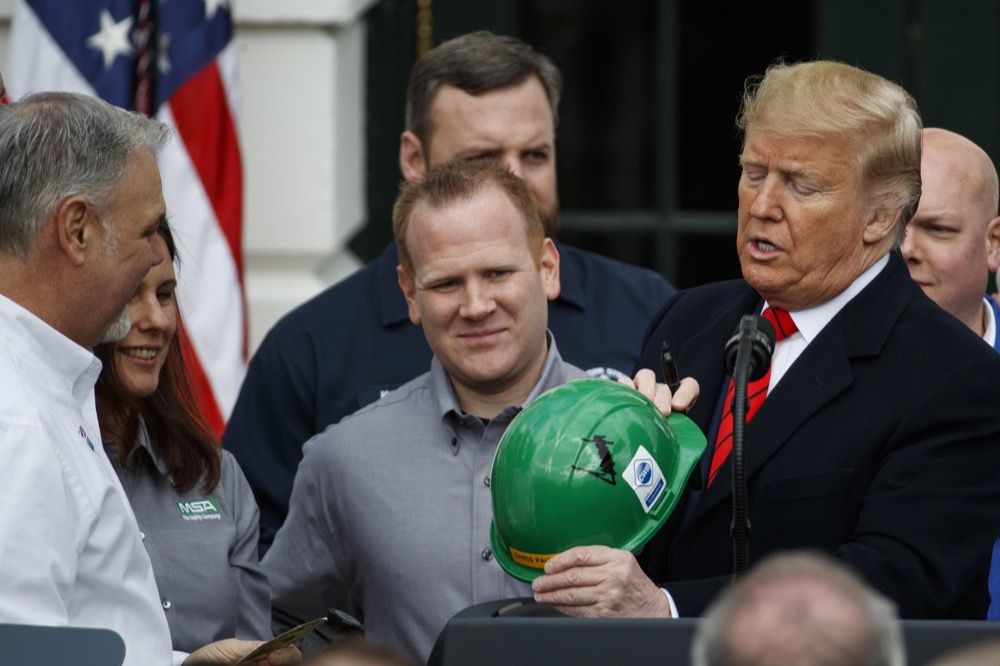
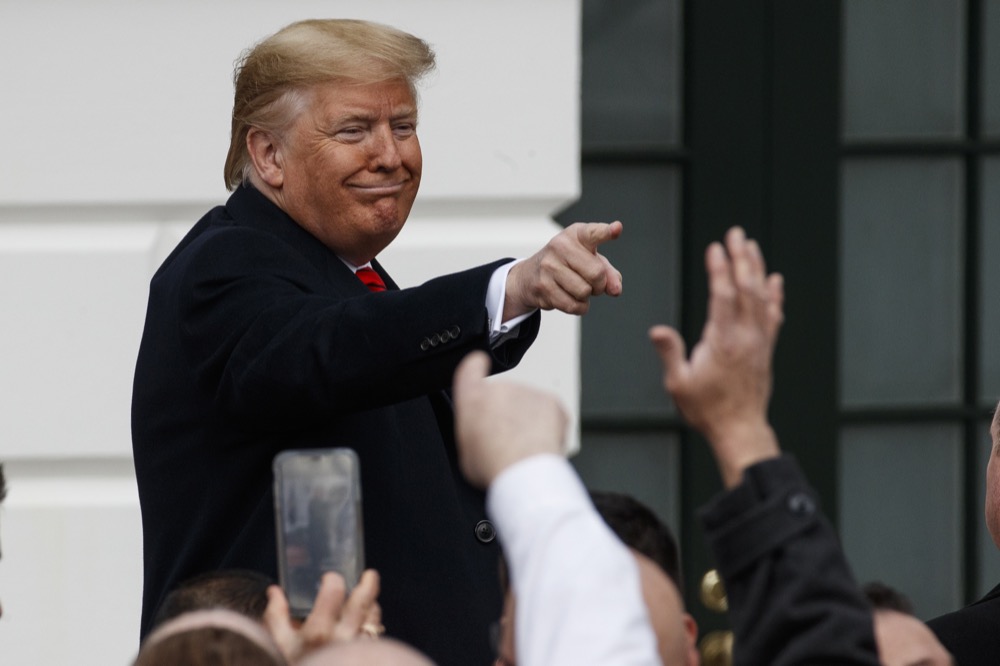
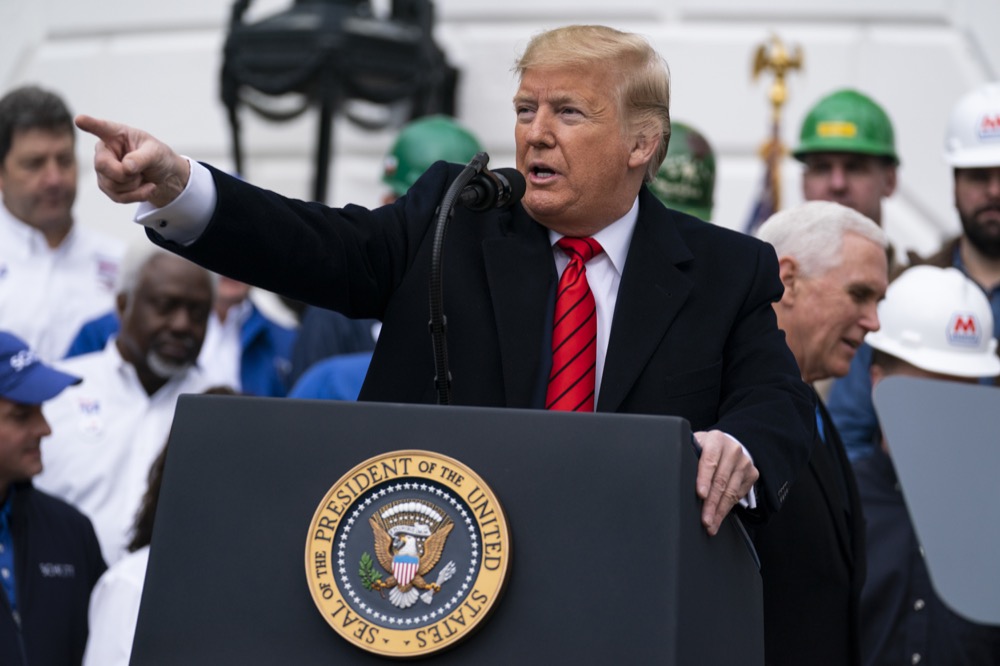
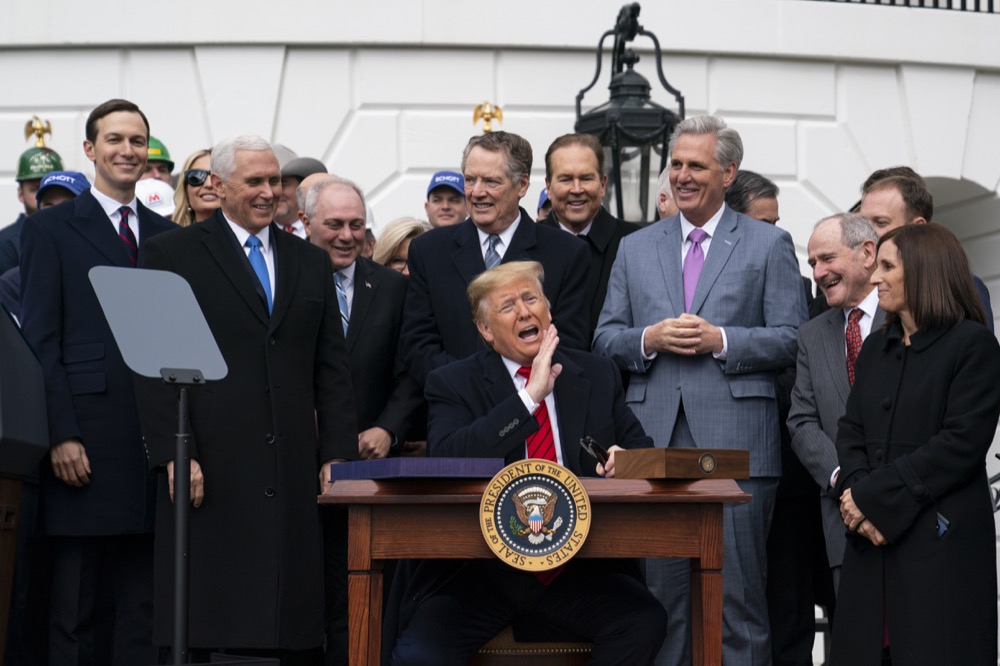
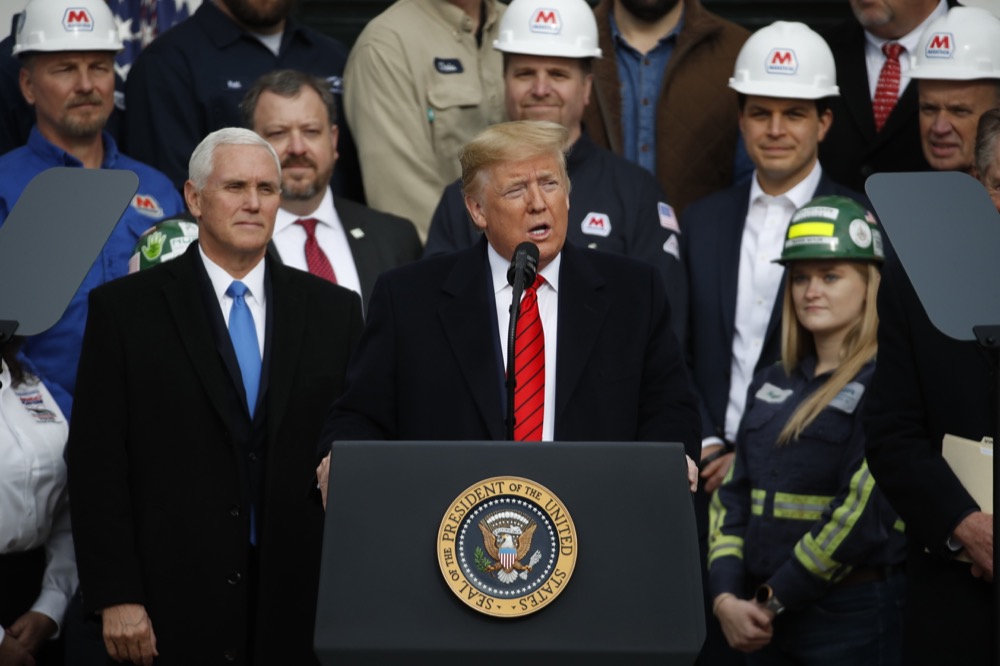
WASHINGTON (AP) – President Donald Trump on Wednesday signed into law a major rewrite of the rules of trade with Canada and Mexico, celebrating the fulfillment of one of his top campaign promises while declining to share the moment with Democratic lawmakers whose support was essential to getting it over the finish line.
Trump said renegotiating the North American Free Trade Agreement was “probably the No. 1 reason that I decided to lead this crazy life that I’m leading right now.”
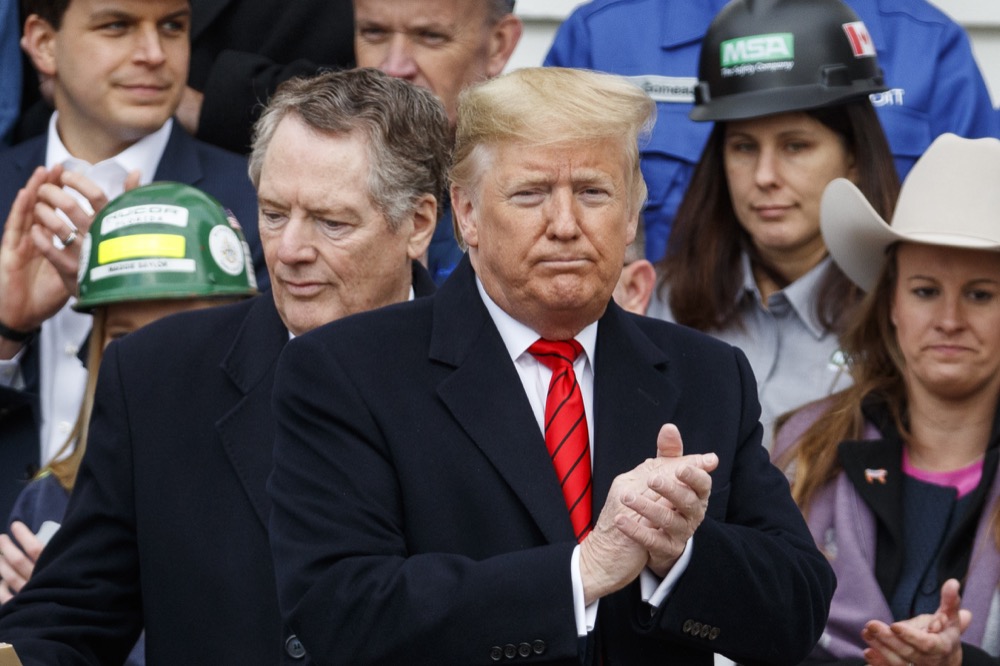
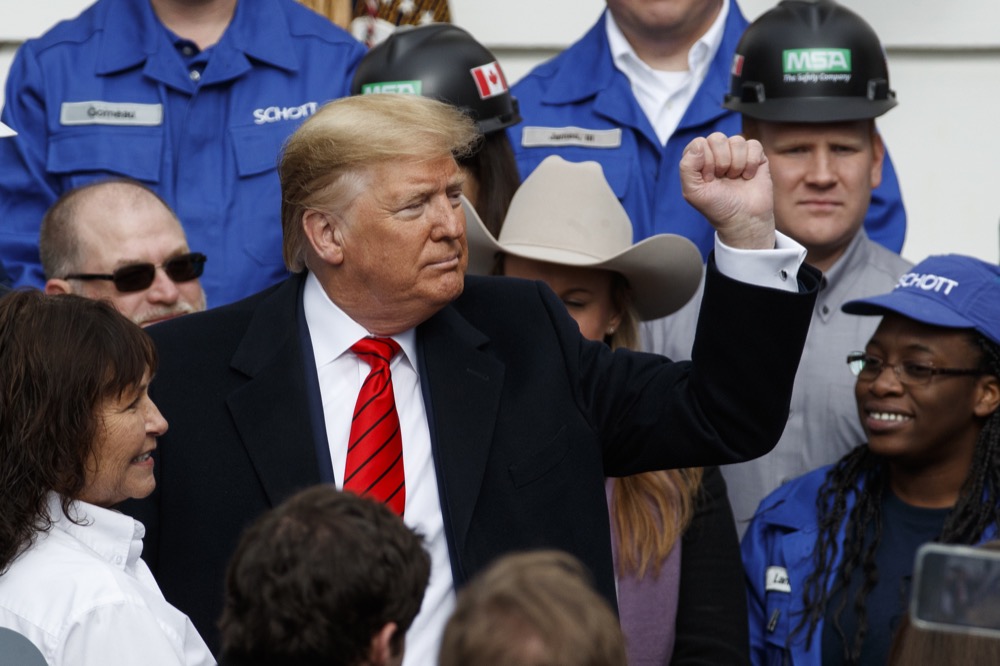
“Today, we’re finally ending the NAFTA nightmare,” Trump said in a ceremony on the South Lawn. The event featured hundreds of business and farm leaders from around the country and scores of Republican officials. No Democratic members of Congress were on the White House guest list.
Trade experts say the impact of the new U.S.-Mexico-Canada Agreement will be modest. Canada and Mexico already represent the top two export markets for U.S. goods. The independent U.S. International Trade Commission last year calculated that the deal would add 0.35%, or $68 billion, to economic growth and generate 176,000 jobs over six years. That’s not much of a change for a $22 trillion economy with 152 million nonfarm jobs.
“It’s a blip,” said Syracuse University economist Mary Lovely, who studies trade. “The main thing is what it isn’t: It isn’t a continuation of uncertainty, and it isn’t a major disruption” to business.