
“Richard Jewell” is a typically strong late-period Clint Eastwood docudrama that balances grand American themes while captivatingly dramatizing the villainization of the Atlanta Olympics bombing hero, only to needlessly tarnish itself with a wanton and unfounded depiction of a female journalist at the center of the 1996 media storm.
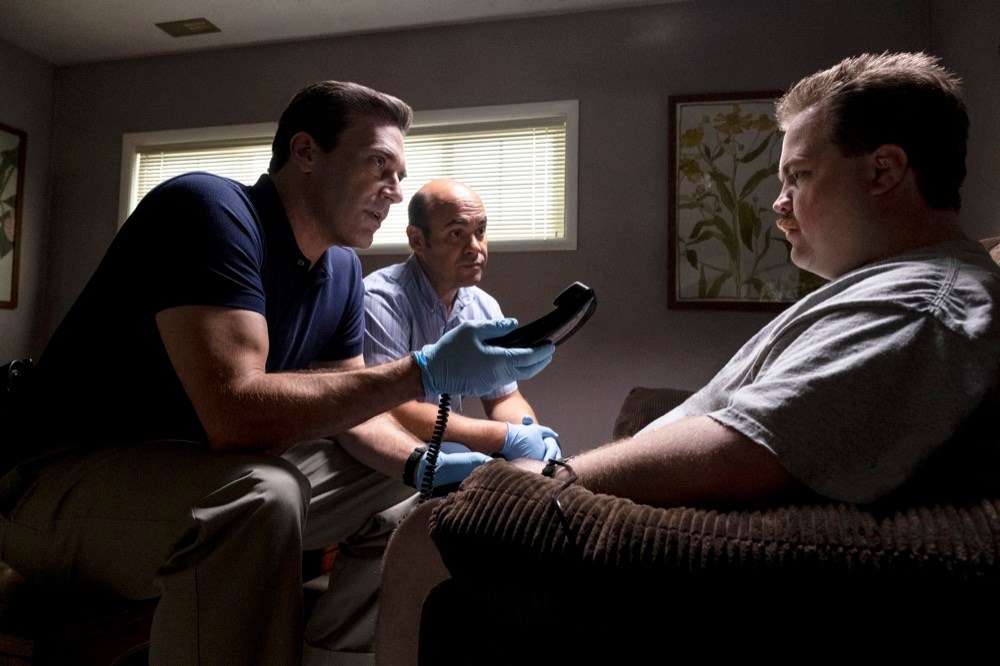
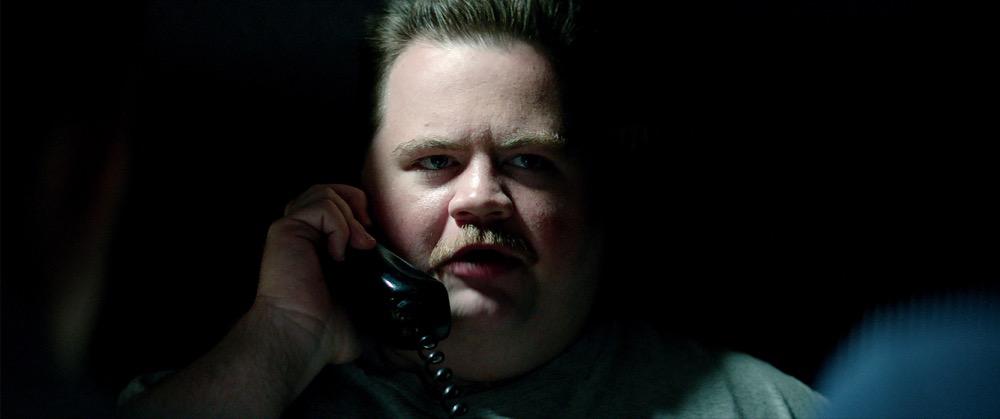
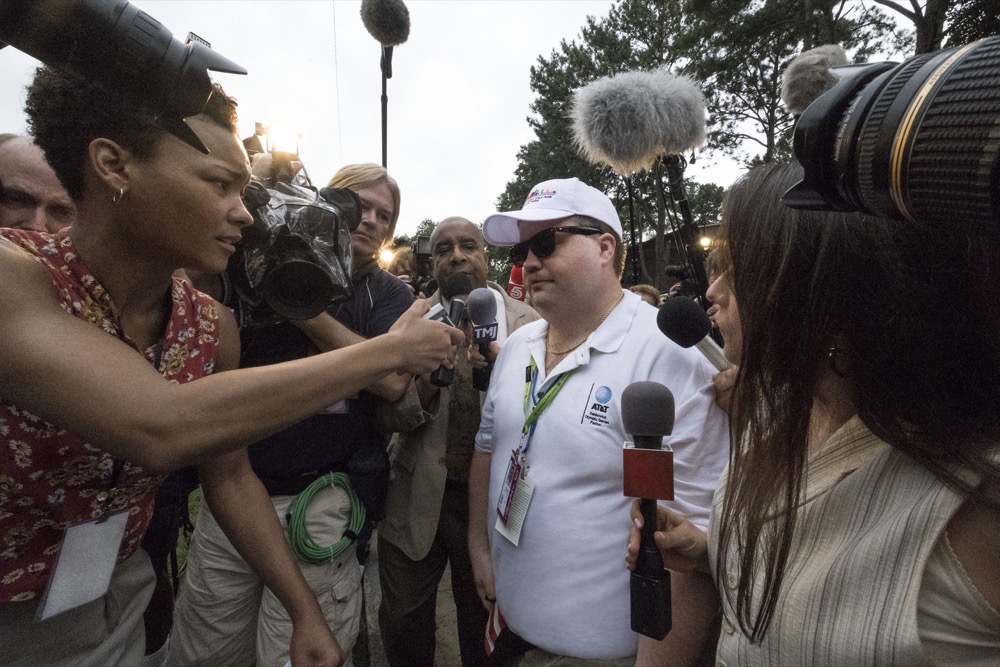
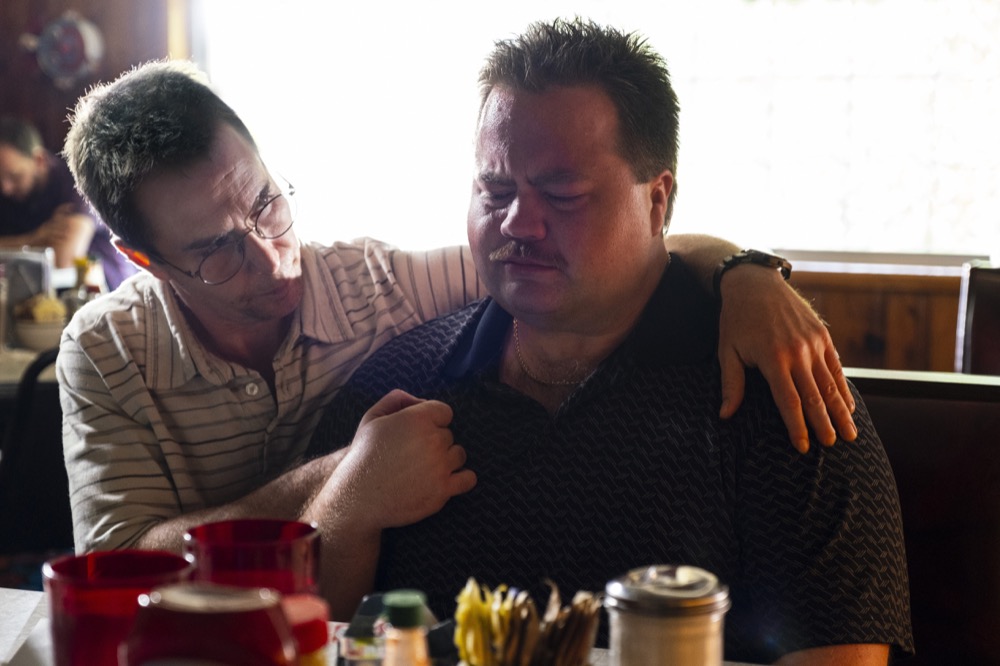
Eastwood’s drama is about Richard Jewell (Paul Walter Hauser), the security guard who discovered the bomb in Centennial Park and who, by moving crowds away from the suspicious backpack, saved lives from the explosion. One died and more than 100 were injured, but the damage done could have been significantly worse.
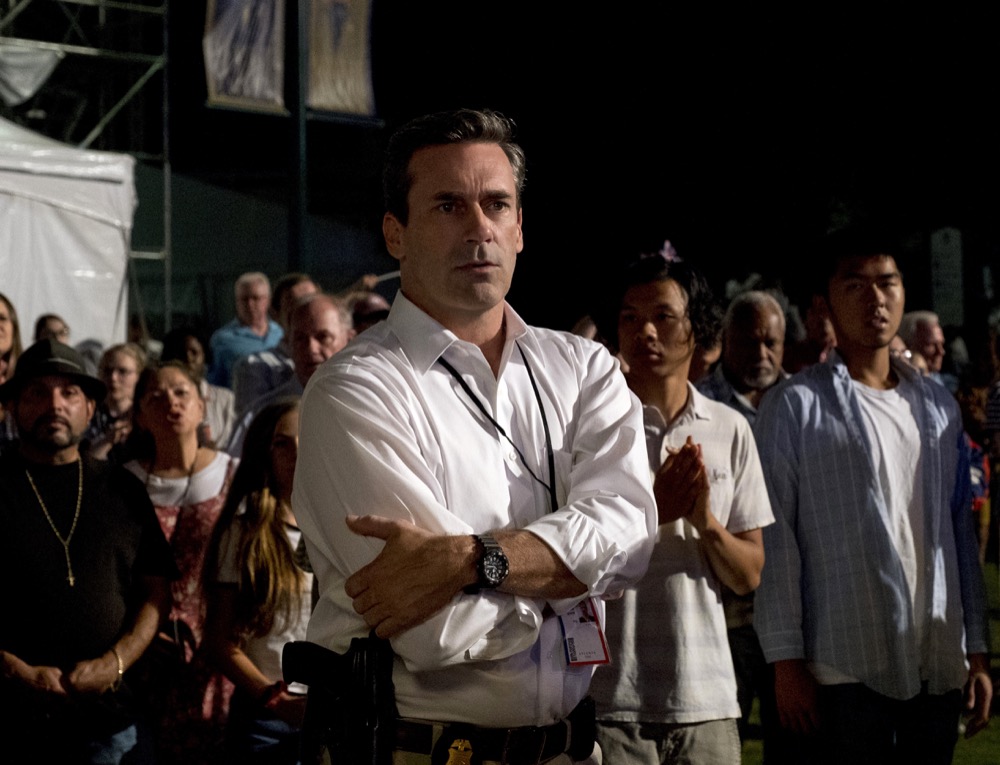
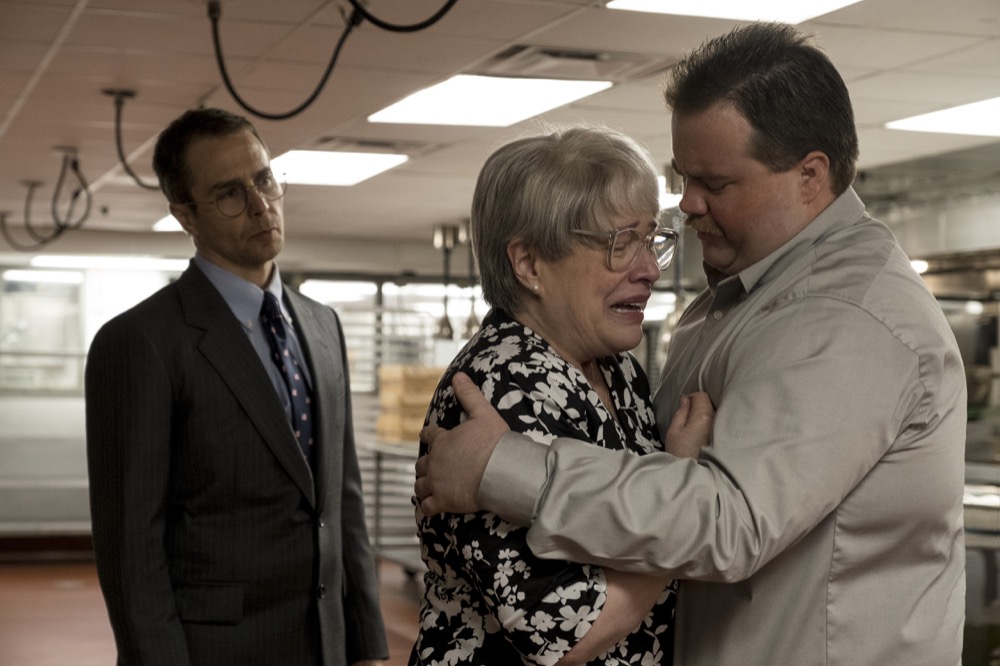
Jewell found himself quickly catapulted onto the national news and celebrated for his actions, only to soon turn into the focus of the FBI’s investigation when misguided investigators decided Jewell – a so-called “frustrated white male” with an extensive gun collection who lived with his mom (Kathy Bates) and had a history of misusing his power – matches the profile of a “false hero.”
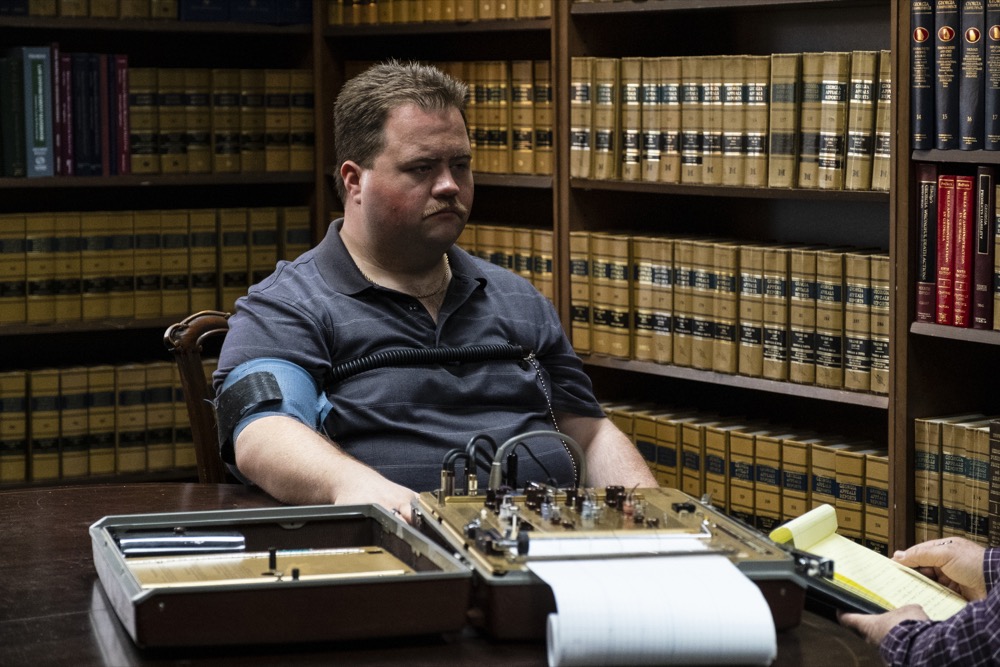 This image released by Warner Bros. Pictures shows Paul Walter Hauser in a scene from “Richard Jewell.” (Claire Folger/Warner Bros. Pictures via AP)
The entire concept of a “false hero” seems tailor made for Eastwood, who has spent much of his career, especially recently (“Sully,” “The 15:17 to Paris”), examining the nature of heroism and scrutinizing how a sense of civic duty arises despite, not because of, a rapacious modern American society.
In “Richard Jewell,” Eastwood’s critique focuses on two institutions – the government (by way of the FBI) and the media (by way of an Atlanta Journal Constitution reporter who broke the story that Jewell was being considered a suspect). Olivia Wilde plays that reporter, Kathy Scruggs, who like most of those depicted in “Richard Jewell,” is based on a real person.