
Monday, November 16, 2026Nov 16

Officials monitoring rodents for plague at Grand Canyon

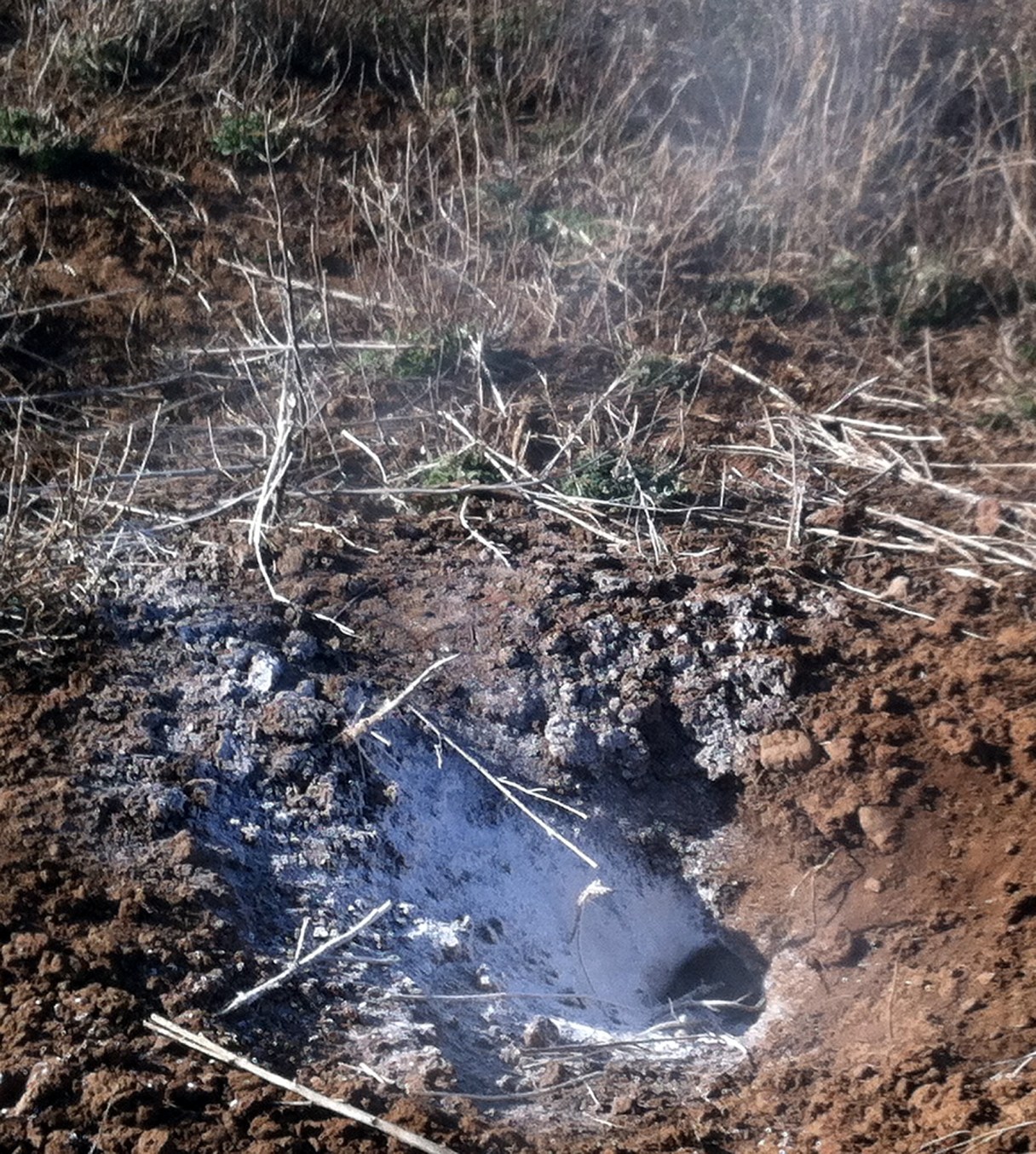
This April 3, 2015, photo, provided by the Coconino County Public Health Services District shows pesticide dust coating a prairie dog burrow in the Picture Canyon Natural and Cultural Preserve in Flagstaff, Ariz. The pesticide dust was part of a treatment by workers for the Coconino County Public Health Services District after fleas there tested positive for plague. (Mare Schumacher/Coconino County Public Health Services District via AP) MANDATORY CREDIT

FLAGSTAFF, Ariz. (AP) – Summertime in Arizona’s higher terrain means an increased risk of residents and tourists coming into contact with rodents that carry the plague. Health officials spend the warmer months monitoring squirrels, mice and prairie dogs for the rare but sometimes fatal disease. They also warn the public to avoid contact with wildlife and recommend that pets have flea collars or be sprayed routinely.

Here are five things to know about plague in Arizona:

WHAT MAKES PLAGUE ENDEMIC IN PARTS OF ARIZONA?

Experts say plague has adapted to specific ecological conditions in most areas of Arizona above 4,500 feet in elevation. It’s also endemic in parts of the western United States. The combination of the elevation and the temperature in areas like Flagstaff and the rim of the Grand Canyon allow fleas to transmit the bacteria to rodents, whereas the hotter temperatures in Phoenix or the floor of the Grand Canyon aren’t suitable habitat for fleas.

___