
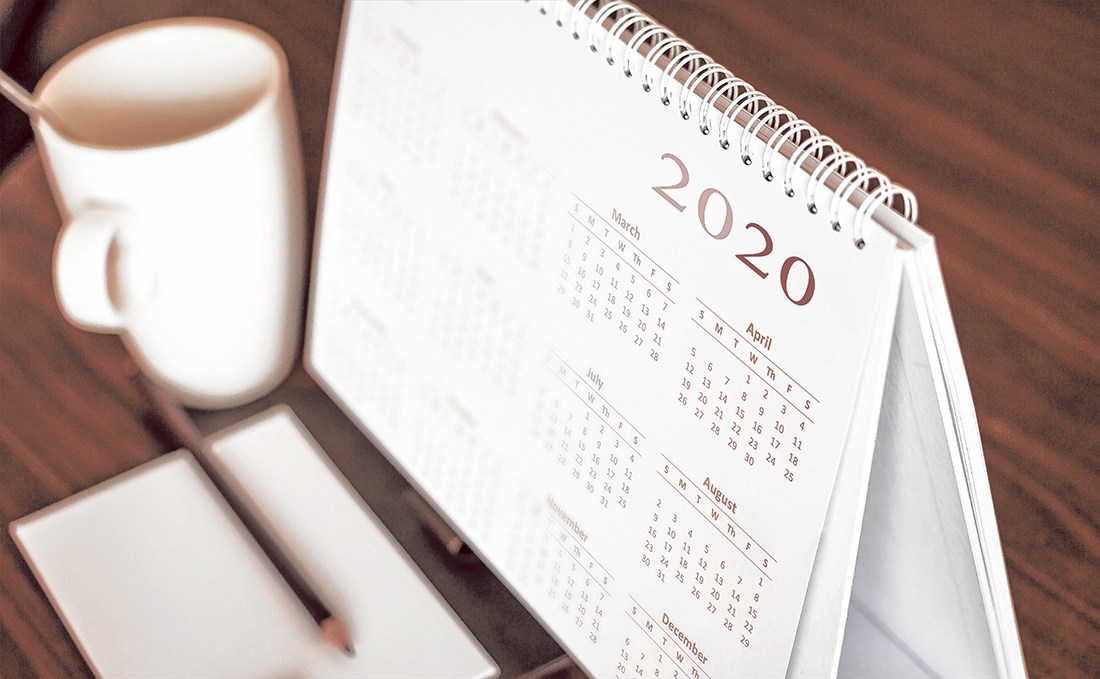
The new year arrives Wednesday, and it should be a doozy. 2020 will see a U.S. presidential election, a Mars Rover launch and the Summer Olympics in Japan.
There will be milestones to mark: the 400th anniversary of the Pilgrims’ arrival on the Mayflower, the 75th anniversary of the end of World War II and the 50th celebration of Earth Day.
Wascally wabbit Bugs Bunny will turn 80, The Beatles’ “Hey Jude” will be 50, and Band-Aids will mark a century of making boo-boos better.
Significantly, 2020 is a leap year, which means rapper Ja Rule and motivational speaker Tony Robbins can celebrate their birthdays on their actual birthdays, Feb. 29.
Leap year also means that every unfixed holiday from March through December will shift a day. So the midweek Christmas of 2019 will shift to a long-weekend Friday in 2020.
Leap year isn’t the only quirk in the calendar this year. There’s some debate as to whether we’re starting a new decade. Keep reading for more.
 U.S. Marines of the 28th Regiment of the 5th Division raise the American flag atop Mount Suribachi, Iwo Jima, in this photo of Feb. 23, 1945. The year 2020 marks the 75th anniversary of the end of World War II. / AP Photo/Joe Rosenthal
Calendar highlights
We took a few flips through the calendar to see what holidays and pop-culture occasions are in store and where they’ll fall in the year. Here are a few highlights.
January
* 5: Golden Globe Awards (Sunday)
* 20: M.L. King Day (Monday)
* 26: Grammy Awards (Sunday)
February
* 2: Groundhog Day (Sunday)
* 2: Super Bowl (Sunday)
* 9: Academy Awards (Sunday)
* 14: Valentine’s Day (Friday)
* 17: Presidents Day (Monday)
* 25: Mardi Gras (Tuesday)
* 26: Ash Wednesday
March
* 8: Daylight-saving time begins (Sunday)
* 14: Pi Day (Saturday)
* 17: St. Patrick’s Day (Tuesday)
* 19: Spring equinox (Thursday)
April
* 1: April’s Fools Day (Wednesday)
* 5: Palm Sunday
* 10: Good Friday
* 12: Easter (Sunday)
* 15: Tax Day (Wednesday)
* 22: Earth Day (Wednesday)
May
* 2: Free Comic Book Day (Saturday)
* 4: Star Wars Day (Monday)
* 5: Cinco de Mayo (Tuesday)
* 10: Mother’s Day (Sunday)
* 16: Armed Forces Day (Saturday)
* 25: Memorial Day (Monday)
June
* 6: D-Day Anniversary (Saturday)
* 14: Flag Day (Sunday)
* 19: Juneteenth (Friday)
* 20: Summer solstice (Saturday)
* 21: Father’s Day (Sunday)
July
* 4: Independence Day (Saturday)
August
* 7: Registration Day in Hamilton County schools (Friday)
* 12: First full day of school (Wednesday)
September
* 7: Labor Day (Monday)
* 11: Patriot Day (Friday)
* 22: Autumnal equinox (Tuesday)
October
* 12: Columbus Day (Monday)
* 31: Halloween (Saturday)
November
* 1: Daylight-saving time ends (Sunday)
* 3: Election Day (Tuesday)
* 11: Veterans Day (Wednesday)
* 26: Thanksgiving (Thursday)
December
* 21: Winter solstice (Monday)
* 25: Christmas (Friday)
Every day a holiday
You won’t find them on a standard calendar, but multiple websites list the special observances that fall on a given day, week or month, such as National Peanut Butter Lover’s Day (March 1) or Root Vegetables and Exotic Fruits Month (December).
Commemorating all these special events will keep you busy. The website nationaltoday.com lists 87 holidays just in January.
For the record, we see a missed opportunity in not combining National Bean Day (Jan. 6) and National Bubble Bath Day (Jan. 8) in the same 24 hours.
Leap year
Leap days are extra days added to the calendar to help synchronize it with Earth’s orbit around the sun and the passing of the seasons. Earth’s orbit takes approximately 365.25 days (or more precisely, 365 days, 5 hours, 48 minutes and 45 seconds, according to timeanddate.com).
 AP Photo / David Goldman / Count rapper Ja Rule among Leap Day babies. He was born Feb. 29, 1976, which means he’ll turn 44 in 2020 (or 11 in leap years).
The .25 creates the need for a leap year every four years. If a leap day wasn’t added on Feb. 29 nearly every four years, almost six hours would be lost off the calendar every year. After 100 years, the calendar would be off by 24 days.
Leap days were first added to the Julian Calendar in 46 B.C. by Julius Caesar at the advice of Sosigenes, an Alexandrian astronomer, according to www.earthsky.com.
Here’s where it gets tricky. Leap years occur only in years that are divisible by 400. So 2000 was a leap year, but 1900 was not.
 AP Photo/Chris O’Meara, File / Band-Aid brand will mark 100 years of business in 2020. The adhesive bandages were invented in 1920 by Johnson & Johnson employee Earle Dickson in Highland Park, New Jersey, for his wife, Josephine, who frequently cut and burned herself while cooking.
New decade, or not?
There is some debate as to whether 2020 marks the start of a new decade. The folks at the Farmers’ Almanac say no.
They say that decades begin with the year ending in the numeral 1 and finish with a 0.
“For a decade to begin,” they explain, “we must start with the year ending with 1 (2021) and finish with 10, or so far as chronology is concerned, a year ending in 0 (2030).
Anniversaries
* Jan. 16: 100th anniversary of Prohibition* Jan. 19: 75th anniversary of the Battle of Iwo Jima* April 22: 50th Earth Day* April 30: 75th anniversary of Adolph Hitler’s death by suicide* May 8: 75th anniversary of VE Day (Victory in Europe) during World War II* May 12: 200th anniversary of the birth of English nurse Florence Nightingale* May 15: 80th anniversary of the first McDonald’s restaurant opening in San Bernardino, California* May 15: 80th anniversary of nylon stockings being sold for the first time in the U.S.* June 26: 75th anniversary of the signing of the United Nations charter in San Francisco by representatives of 50 countries (the U.N. was established on Oct. 24)* July 3: 35th anniversary of the U.S. release of “Back to the Future”* July 27: 80th anniversary of the first appearance of Bugs Bunny in the Warner Bros. cartoon “A Wild Hare”* Aug. 2: 30th anniversary of the start of the first Gulf War* Aug. 6: 75th anniversary of the bombing of Hiroshima during World War II* Aug. 9: 75th anniversary of the bombing of Nagasaki during World War II* Aug. 14: 75th anniversary of VJ Day when Japan announced its unconditional surrender, ending World War II in the Pacific (the war officially ended Sept. 2)* Sept. 17: 50th anniversary of the death of rock musician Jimi Hendrix* Oct. 2: 35th anniversary of the death of actor Rock Hudson* Oct. 29: 75th anniversary of the first commercially successful ballpoint pen being sold in the U.S.* Nov. 5: 85th anniversary of the launch of the board game Monopoly by Parker Brothers* Nov. 11: 400th anniversary of the Mayflower Pilgrims arriving at Cape Cod and signing the Mayflower Compact (they arrived at Plymouth Rock in December)Source: https://www.mary evans.com/annivs.php? year=2020
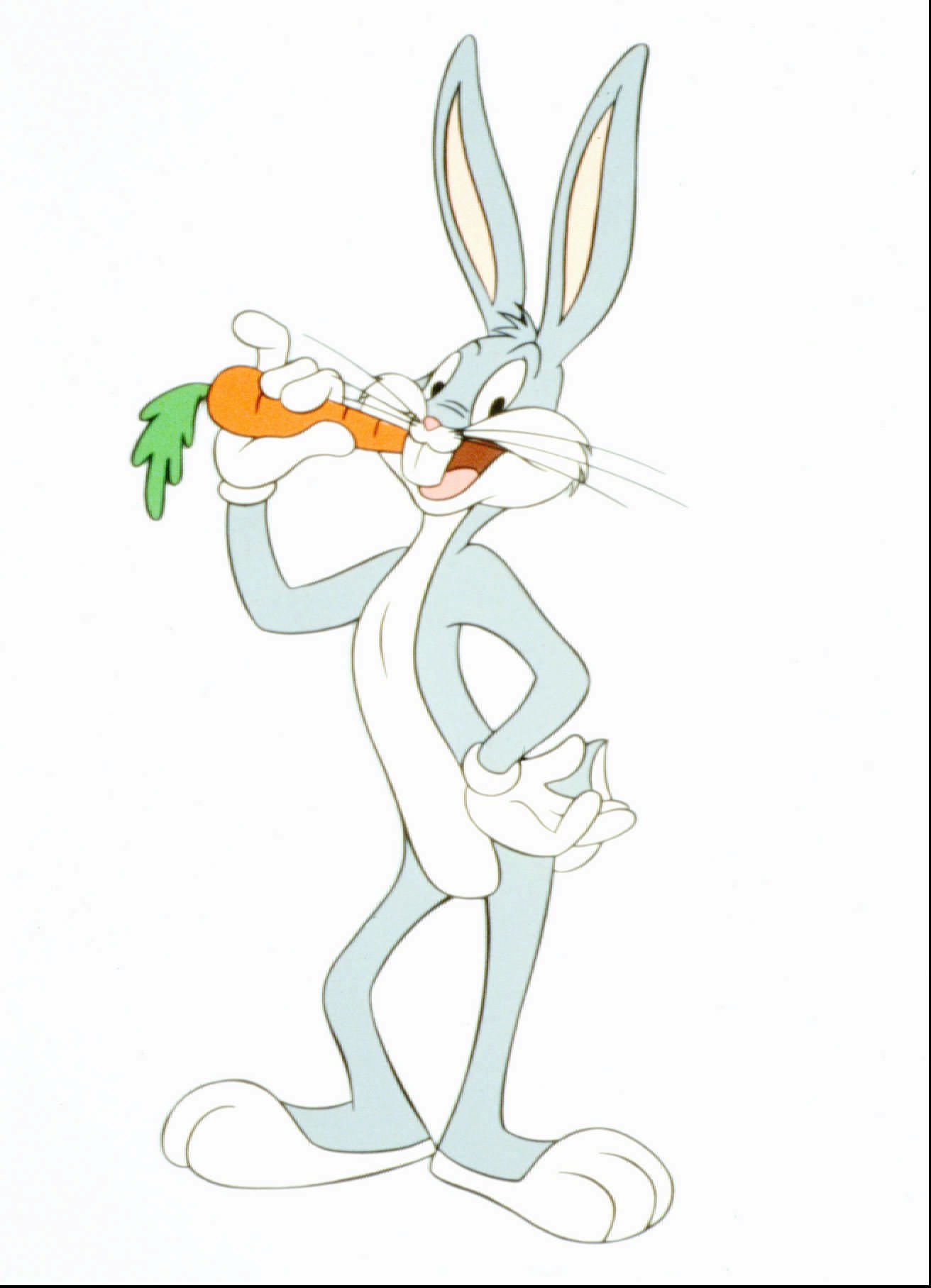 ABC Photo / Cartoon legend Bugs Bunny made his debut in “A Wild Hare” on July 27, 1940.
“For example, Jan. 1, 2001, opened the 21st century and the start of the new millennium, just as the year 1 A.D. marked the beginning of the Christian era. Of course, many of us will remember the wild celebrations that were touched off at midnight on Dec. 31, 1999. But was that a year too soon? Yes!”
The editors even reference a plot line on “Seinfeld” in which Jerry derides his neighbor and nemesis Newman for having a party to celebrate the “end” of the decade in 1999.
“And if at the stroke of midnight on Dec. 31, you think you’ll be celebrating the start of a new decade, guess again. As was the case 20 years ago, you’ll be one year early, for the new decade will actually start in the year 2021,” the Almanac editors say.
The U.S. Naval Observatory, the agency that maintains the country’s master clock, takes a similar position. According to the astronomical dating system through which it measures time, the new millennium will begin in 2021.
Society at large seems to see things differently. Timekeeping by the Almanac’s and Naval Observatory’s standards may make scientific sense, but some say it’s just weird to consider a year ending in zero as part of the previous decade. By that measure, the year 1990 would be considered part of the ’80s. To many, that just feels wrong.
Konstantin Bikos, lead editor of TimeandDate.com, told CNN that both definitions of the decade could be considered correct.
“There’s two different ways of categorizing 10 years,” he said. “It could be from the year ending in 0 to the year ending in 9, or the year ending in 1 to the year ending in 0.”
Whichever camp you’re in, we’re definitely starting a new year.
To everything a season
Here are the precise times to anticipate the official start of a new season, according to the U.S. Naval Observatory.
* Vernal equinox (spring): March 19, 11:49 p.m. EDT
* Summer solstice: June 20, 5:43 p.m. EDT
* Autumnal equinox: Sept. 22, 9:30 a.m. EDT
* Winter solstice: Dec. 21, 5:02 a.m. EST
Superstitions
2020 will have two Friday the 13ths, in March and November.
Friday the 13th takes place at least once every year and can occur up to three times in one year. A Friday the 13th occurs during any month that begins on a Sunday.
Fun fact: The fear of Friday the 13th is known as friggatriskaidekaphobia.
Contact Lisa Denton at ldenton@timesfreepress.com or 423-757-6281.