
WASHINGTON (AP) – When patients are battling a terminal illness and want access to an experimental drug, how much evidence that it works should regulators require before approval?
That’s the question behind many of the Food and Drug Administration’s toughest decisions, including last year’s controversial approval of Aduhelm. Many experts – including the agency’s own outside advisers – say that Alzheimer’s drug is unlikely to help patients.
Less than a year later, the agency may soon approve another drug for a deadly neurodegenerative disease based on partial data that’s being debated by experts. The FDA meets next week to publicly review evidence from a small, mid-stage study of Amylyx Pharmaceuticals’ drug for ALS, or amyotrophic lateral sclerosis.
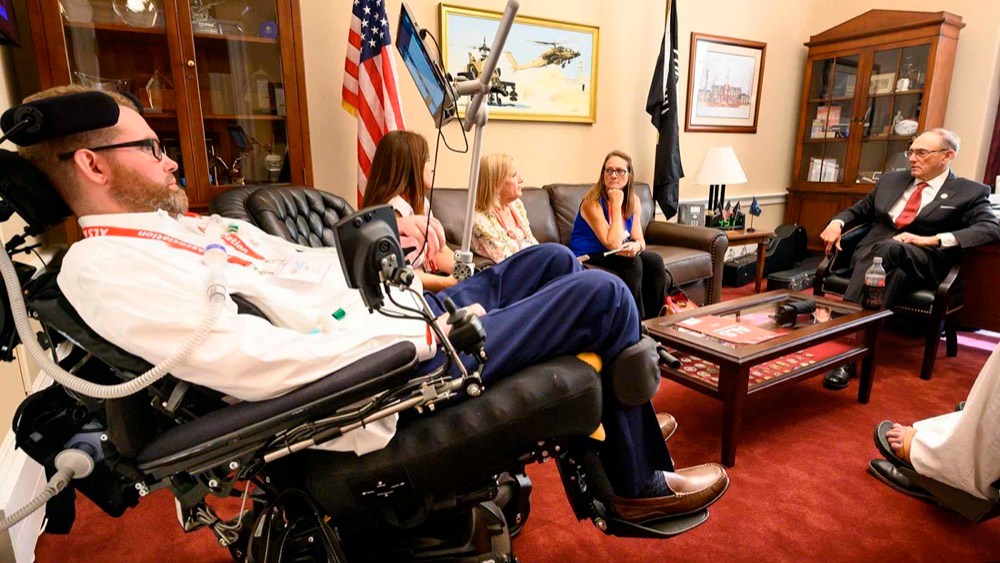
Regulators told Amylyx last year it would need to conduct a large, confirmatory study before seeking approval, according to the company. But after months of intense lobbying by ALS patients and their representatives in Congress, the agency said it could submit the drug based on the smaller study.
The change was so abrupt it surprised even some doctors who helped study the treatment, which appears to modestly slow patients’ decline.