
Friday, November 13, 2026Nov 13

Ex-wildlife chief: Trump rule could kill billions of birds

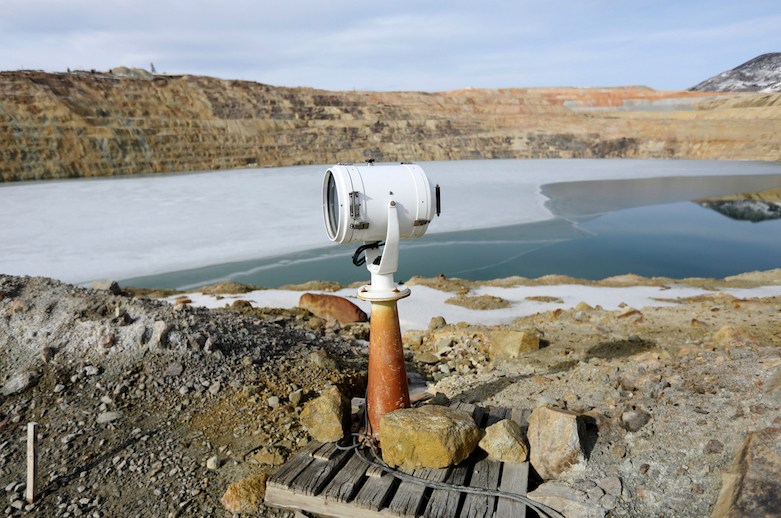
In this March 5, 2020, photo, a spotlight that was once used at a prison is now used to haze migrating birds that might choose to land on the toxic Berkeley Pit water in Butte, Montana. The Trump administration is moving to scale back criminal enforcement of a century-old law protecting most American wild bird species. Mark Thompson, the manager of environmental affairs at Montana Resources, said it would keep up the efforts that drive away almost all birds regardless of the Trump administration's actions, mirroring pledges from some other companies and industries. (Meagan Thompson/The Montana Standard via AP)

BUTTE, Mont. (AP) – At a former open pit copper mine filled with billions of gallons of toxic water, sirens and loud pops from propane cannons echo off the granite walls to scare away birds so they don’t land.

After several thousand migrating snow geese perished in the Berkeley Pit’s acidic, metal-laden waters in 2016, its owners deployed a sophisticated arsenal to frighten away flocks, including lasers, drones, fireworks and remote-controlled boats.

Montana Resources already had been hazing incoming birds with spotlights and rifle shots into the water – and a spokesman says those existing deterrents likely helped the company avoid a penalty or prosecution under the Migratory Bird Treaty Act.

But the Trump administration wants to end the 50-year practice of using the criminal penalties under the migratory bird law to pressure companies into taking measures like these to prevent unintentional bird deaths.

Critics- including top Interior Department officials from Republican and Democratic administrations – say the proposed change could devastate threatened and endangered species and accelerate a bird population decline across North America since the 1970s.