
Friday, November 13, 2026Nov 13

Psychiatrist called theater shooter’s mother with concerns

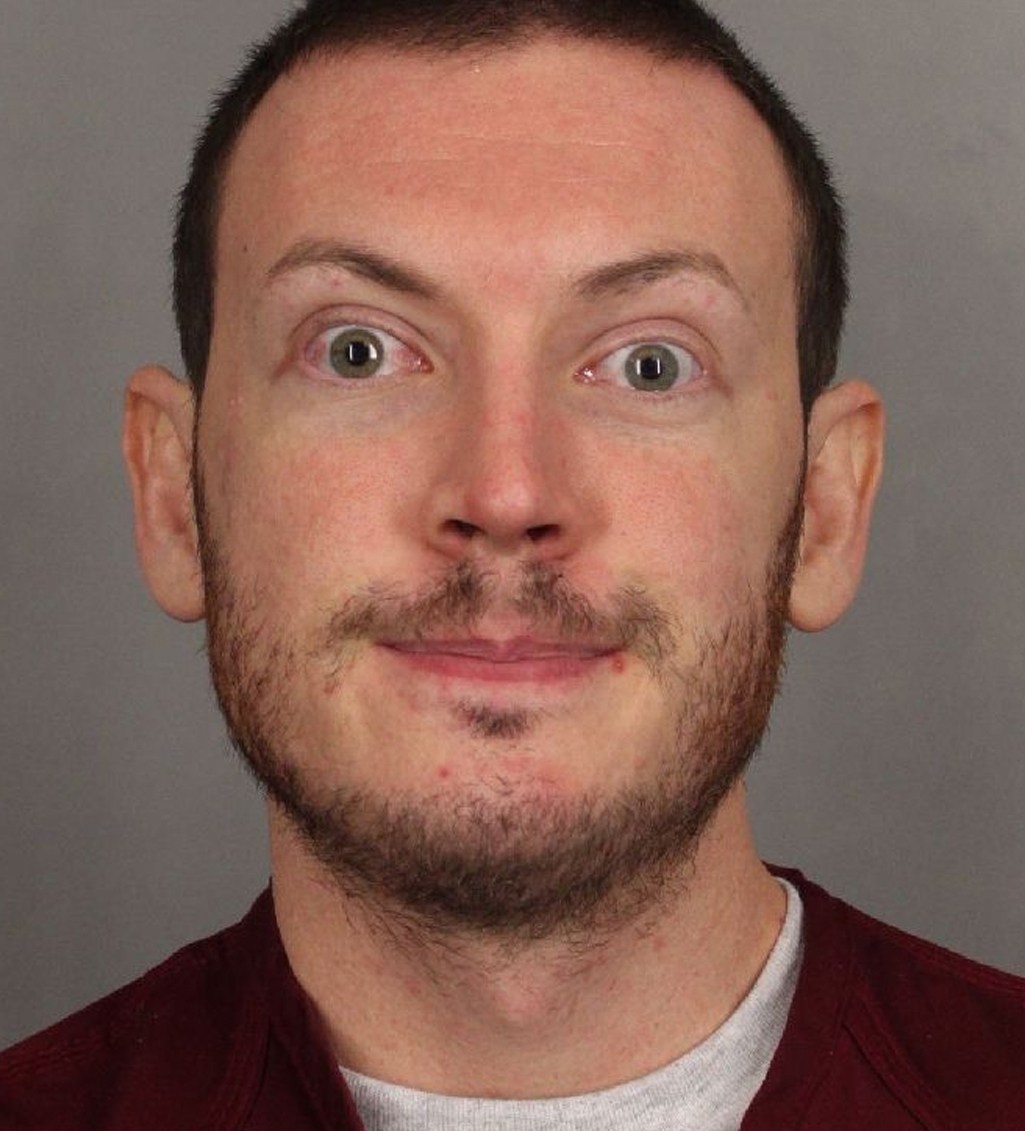
FILE - This file photo released on Sept. 20, 2012 by the Arapahoe County Sheriff's Office shows James Holmes, who is charged with killing 12 moviegoers and wounding 70 more in a shooting spree in a crowded theatre in 2012. The person closest to the murderous thoughts of Holmes before he carried out his attack could take the witness stand the week of June 15, 2015, as the prosecution wraps up its case. Holmes' death penalty trial has revived unresolved questions about whether he could have been stopped. (AP Photo/Arapahoe County Sheriff, File)
FILE - This file photo released on Sept. 20, 2012 by the Arapahoe County Sheriff's Office shows James Holmes, who is charged with killing 12 moviegoers and wounding 70 more in a shooting spree in a crowded theatre in 2012. The person closest to the murderous thoughts of Holmes before he carried out his attack could take the witness stand the week of June 15, 2015, as the prosecution wraps up its case. Holmes' death penalty trial has revived unresolved questions about whether he could have been stopped. (AP Photo/Arapahoe County Sheriff, File) FILE - This file photo released on Sept. 20, 2012 by the Arapahoe County Sheriff's Office shows James Holmes, who is charged with killing 12 moviegoers and wounding 70 more in a shooting spree in a crowded theatre in 2012. The person closest to the murderous thoughts of Holmes before he carried out his attack could take the witness stand the week of June 15, 2015, as the prosecution wraps up its case. Holmes' death penalty trial has revived unresolved questions about whether he could have been stopped. (AP Photo/Arapahoe County Sheriff, File)

CENTENNIAL, Colo. (AP) – The psychiatrist who treated James Holmes before he attacked a Colorado movie theater said she did not have enough evidence to have him detained, but was so concerned after he confessed his homicidal thoughts that she violated his health care privacy to call his mother.

Dr. Lynne Fenton testified Tuesday that Holmes told he was having homicidal thoughts as often as three or four times a day, but never let on that he was building a weapons arsenal and planning a mass killing. If he revealed his intent, “I likely would have put him on a mental health hold and contacted the police,” Fenton said.

But her concerns remained, even after he abruptly walked out of her office in June 11, 2012, about a month before he sprayed bullets into the audience at a Batman movie, killing 12 people and wounding 70 more.

Fenton called Holmes’ mother, but was told that her patient had been shy and socially awkward for many years, diminishing the apparent risk that he would be a danger to himself or others.

“I thought it was much less likely this was a sudden, new psychotic break,” Fenton said. Freed from patient-client privilege by Holmes’ insanity plea, Fenton testimony in Holmes’ death penalty trial marked her first public statements about him. Among other things, she described his behavior as anxious, hostile, bizarre and so worrisome that she took it upon herself to alert campus police but didn’t find the evidence needed to hold someone against his will.