
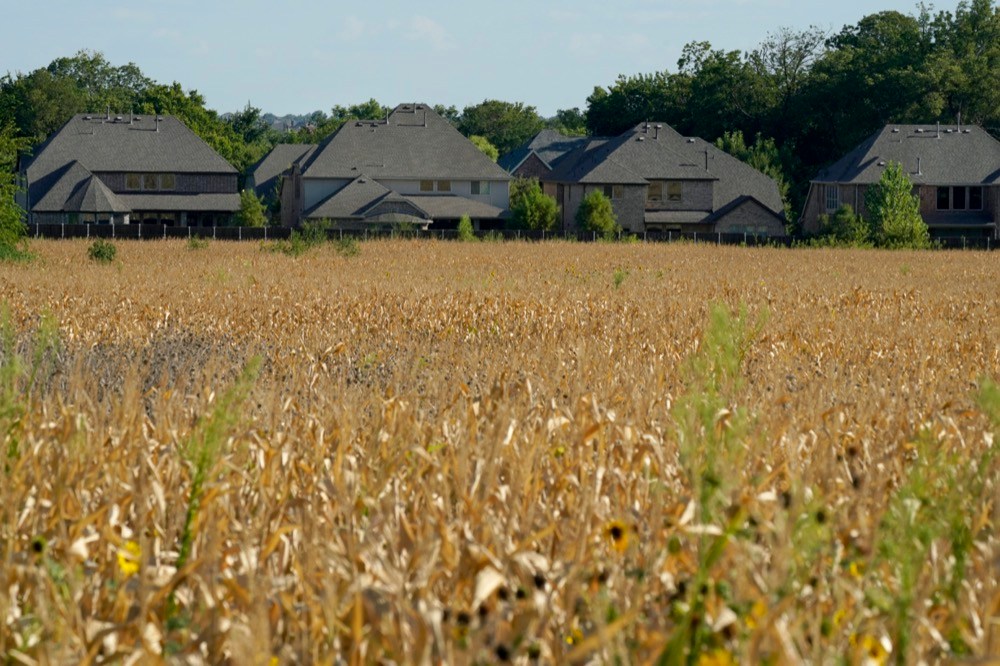
The once-a-decade battle over redistricting is set to be a showdown over the suburbs, as new census data showed rapid growth around some of the nation’s largest cities and shrinking population in many rural counties.
From Texas to Florida, some of the biggest gains reported Thursday came in states where Republicans will control the redistricting process, but often in and around cities where Democrats have been faring well in recent elections.
The new detailed population data from the 2020 census will serve as the building block to redraw 429 U.S. House districts in 44 states and 7,383 state legislative districts across the U.S. The official goal is to ensure each district has roughly the same number of people.
But many Republicans and Democrats also will be trying to ensure the new lines divide and combine voters in ways that make it more likely for their party’s candidates to win future elections, a process called gerrymandering. The parties’ successes in that effort could determine whether taxes and spending grow, climate-change polices are approved or access to abortion is expanded or curtailed.
Republicans need to gain just five seats to take control of the U.S. House in the 2022 elections – a margin that could potentially be covered through artful redistricting. As they did after the 2010 census, Republicans will hold greater sway in more states over the redistricting process.